

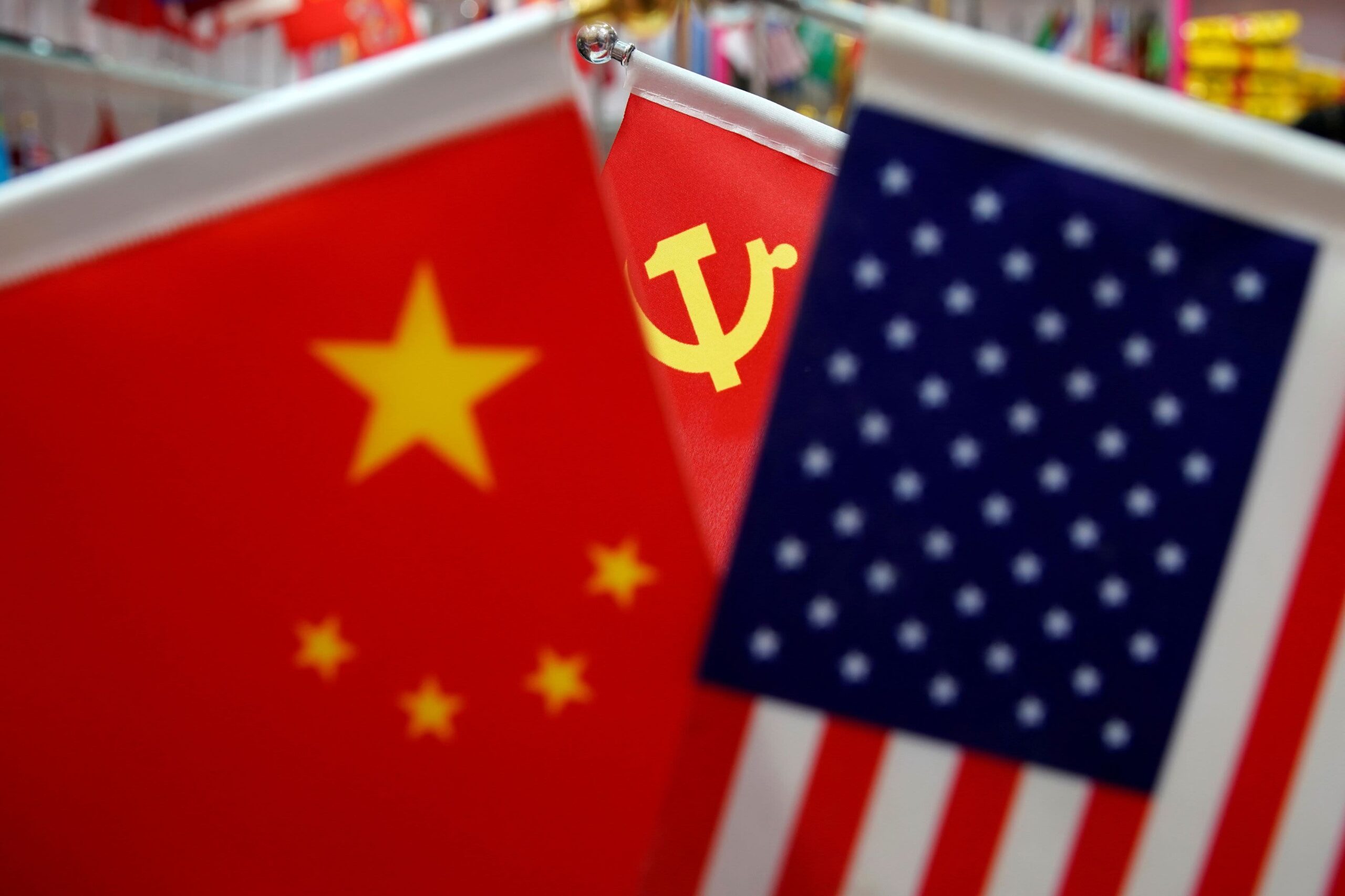
The United States and China have agreed to extend their trade truce until January 10, providing additional time for negotiations as Chinese President Xi Jinping begins a state visit to Washington.
The announcement was made by U.S. Treasury Secretary Scott Bessent, who said the agreement would keep tariffs lower and maintain the flow of important exports between the two countries. The extension comes as leaders from the world’s two largest economies prepare for high-level talks on trade, artificial intelligence, security issues and broader economic cooperation.
Xi arrived in Washington on Wednesday for a visit that will continue through Friday. His trip includes meetings with U.S. President Donald Trump, government officials and business leaders.
Footage broadcast by Chinese state television showed Trump and First Lady Melania Trump welcoming Xi and Chinese First Lady Peng Liyuan after the Chinese leader’s aircraft landed. The arrival ceremony highlighted the importance both governments place on maintaining communication despite ongoing differences.
The trade truce was first agreed to during a meeting between Trump and Xi in South Korea last year. The arrangement reduced trade tensions by limiting new tariffs and helping stabilize economic relations between the two countries.
The agreement had been scheduled to expire in November. However, both sides decided to continue the truce for another two months, extending it until January 10.
Bessent said further progress is needed before a broader agreement can be reached. He indicated that Washington wants Beijing to fulfill additional commitments before considering longer-term arrangements.
Many analysts had expected the trade truce to be extended for six months or more. The shorter extension surprised some observers and has led to questions about the current state of negotiations.
Experts believe the decision may reflect ongoing differences between the two governments. Some analysts suggested the United States wants to maintain leverage while discussions continue on trade commitments and other economic issues.
The trade relationship between Washington and Beijing remains one of the most important factors affecting the global economy. Over the past several years, tariffs, export controls and trade restrictions have influenced international supply chains and business activity around the world.
While the extension reduces the immediate risk of new trade measures, companies continue to face challenges. Business groups have pointed to issues involving export licensing procedures and trade regulations that remain unresolved.
In a statement released after arriving in the United States, Xi expressed confidence that the visit would produce positive outcomes. He said China and the United States should work as partners rather than rivals and seek a stable relationship based on cooperation and mutual respect.
Xi also emphasized the importance of managing competition and differences while continuing dialogue. His statement focused on improving bilateral ties and strengthening communication between the two countries.
Trade is expected to be a major topic during meetings between Trump and Xi, but it is not the only issue on the agenda. Discussions are also expected to cover artificial intelligence, regional security concerns and international conflicts.
Trump told reporters that he plans to discuss the conflict involving Iran along with several other important topics during talks with the Chinese leader.
Artificial intelligence is expected to receive particular attention during the visit. Bessent revealed that discussions between U.S. and Chinese officials included proposals for an alert system that could notify both governments about serious AI-related incidents.
The idea reflects growing interest in creating communication channels as advanced AI systems become more powerful and widely used. Both countries are investing heavily in artificial intelligence and are seeking ways to manage potential risks.
Xi’s visit also includes meetings with senior U.S. officials and participation in formal events designed to strengthen diplomatic engagement. Chinese officials accompanying the president include senior members of the country’s leadership and foreign policy team.
As negotiations continue, the extension of the trade truce provides temporary stability for businesses and investors. The additional time allows both governments to pursue broader discussions while avoiding a return to escalating trade tensions.
The outcome of the Washington meetings could play an important role in shaping future economic relations between the United States and China as both sides seek areas of cooperation while managing ongoing differences.
