

China’s manufacturing sector returned to growth in September, providing a positive signal for the world’s second-largest economy as policymakers introduce new measures aimed at supporting business activity and maintaining economic momentum.
Official data released by the National Bureau of Statistics showed that the manufacturing Purchasing Managers’ Index (PMI) rose to 50.1 in September from 49.8 in August. A reading above 50 indicates expansion, while a figure below that level signals contraction.
The latest result matched market expectations and marked a return to growth after a period of weakness that had raised concerns about slowing economic activity.
According to the statistics bureau, stronger performance in equipment manufacturing, high-technology industries, and consumer-related production helped lift overall factory activity during the month.
Officials said production and business operations improved across several sectors, reflecting continued resilience in parts of the industrial economy despite broader economic challenges.
China also reported encouraging results in non-manufacturing industries. The non-manufacturing PMI climbed to 50.2, returning to expansion territory after previous weakness. Activity in the services sector improved, while the construction industry recorded its strongest performance of the year.
The data suggest that several areas of the economy are stabilizing after months of slowing growth and weakening demand.
Manufacturers have continued to benefit from rising demand linked to artificial intelligence technologies and advanced computing equipment. The expansion of AI-related industries has supported production activity and created new opportunities for technology-focused manufacturers.
However, economists note that significant challenges remain. Weak domestic consumer demand continues to weigh on the economy, while higher energy costs have increased pressure on businesses and reduced profit margins in some sectors.
The latest economic figures were released just one day after Chinese policymakers announced a new package of targeted support measures designed to strengthen growth and improve financing conditions.
Senior government and financial officials introduced a range of fiscal and monetary initiatives intended to lower borrowing costs and encourage investment. The measures are part of broader efforts to ensure the economy remains on track to meet official growth objectives for the year.
Among the key announcements, authorities pledged mortgage subsidies for eligible homebuyers. The policy is intended to support the housing market and encourage demand from first-time buyers.
The People’s Bank of China also expanded a lending support program that allows banks to provide financing for infrastructure projects and key sectors such as technology and small businesses. In addition, the central bank reduced the interest rate associated with the program, making financing more affordable.
Economists have offered mixed assessments of the new measures. Some analysts believe the policies will provide support for growth but may not be large enough to address deeper structural challenges facing the economy.
Research teams at several financial institutions described the latest steps as targeted support rather than a major stimulus program. They argue that stronger measures may be required if economic conditions weaken further.
Others view the policy package as a strategic effort to maintain stability while avoiding more aggressive intervention. According to market analysts, Beijing appears focused on achieving its growth goals without introducing large-scale stimulus that could create financial risks.
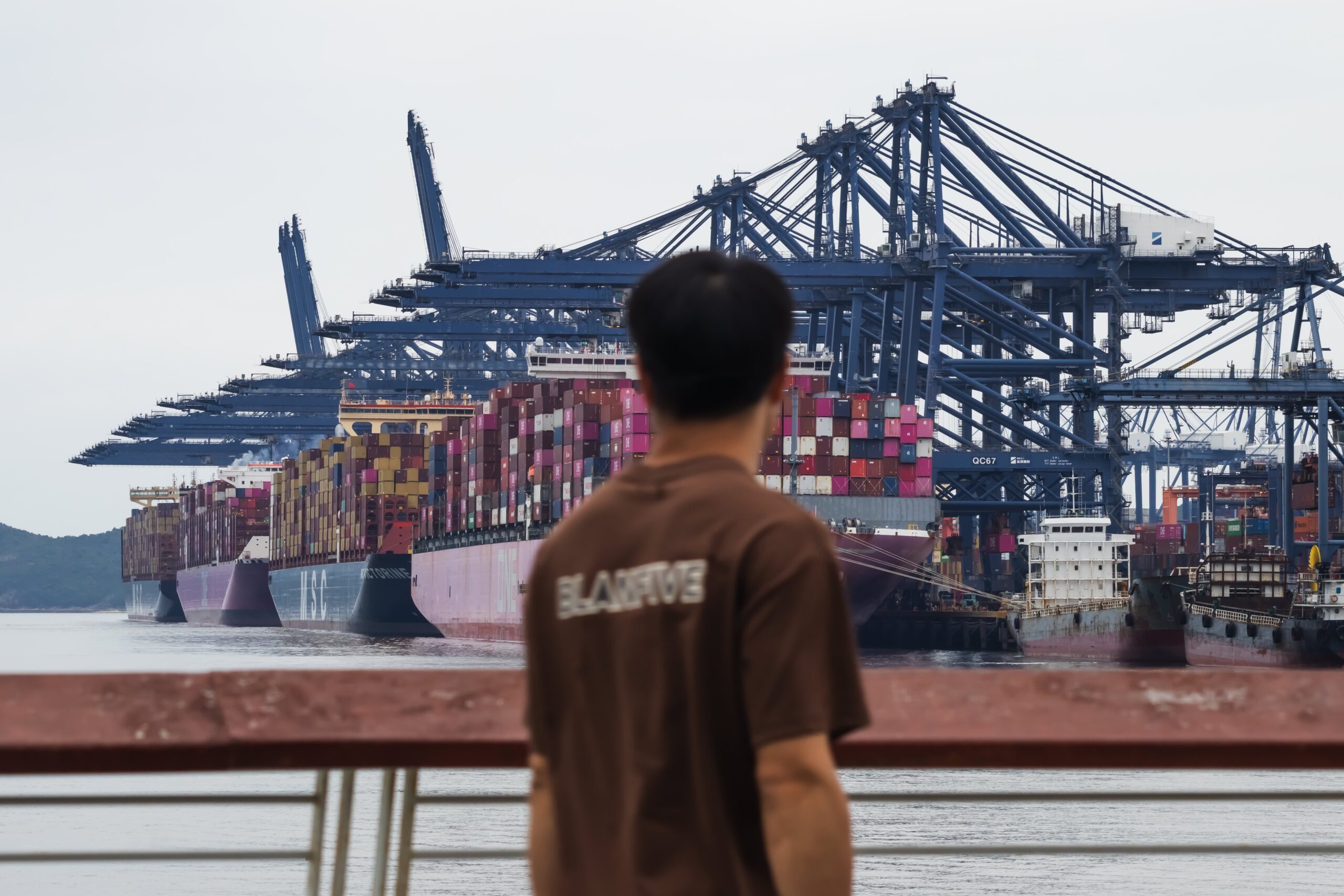
Exports remain one of the strongest contributors to economic growth, helping offset weaker domestic consumption. Overseas demand has supported manufacturing activity and provided an important source of revenue for Chinese producers.
However, export growth also faces increasing uncertainty. Several trading partners have expressed concerns about China’s manufacturing capacity and export competitiveness, while global economic conditions remain uneven.
The housing sector remains another area closely watched by investors and policymakers. Analysts expect the new mortgage subsidy program to provide some short-term support for home sales, particularly among first-time buyers.
Still, many economists believe the impact will be limited because eligibility requirements are relatively strict. The subsidy is available only for qualifying buyers purchasing homes below specific price and size thresholds.
Despite those limitations, September’s PMI figures suggest that recent policy support and improving industrial activity are helping stabilize parts of the economy. As China enters the final months of the year, policymakers will continue monitoring growth, consumer demand, and investment trends to determine whether additional support measures are needed to sustain the recovery.
