

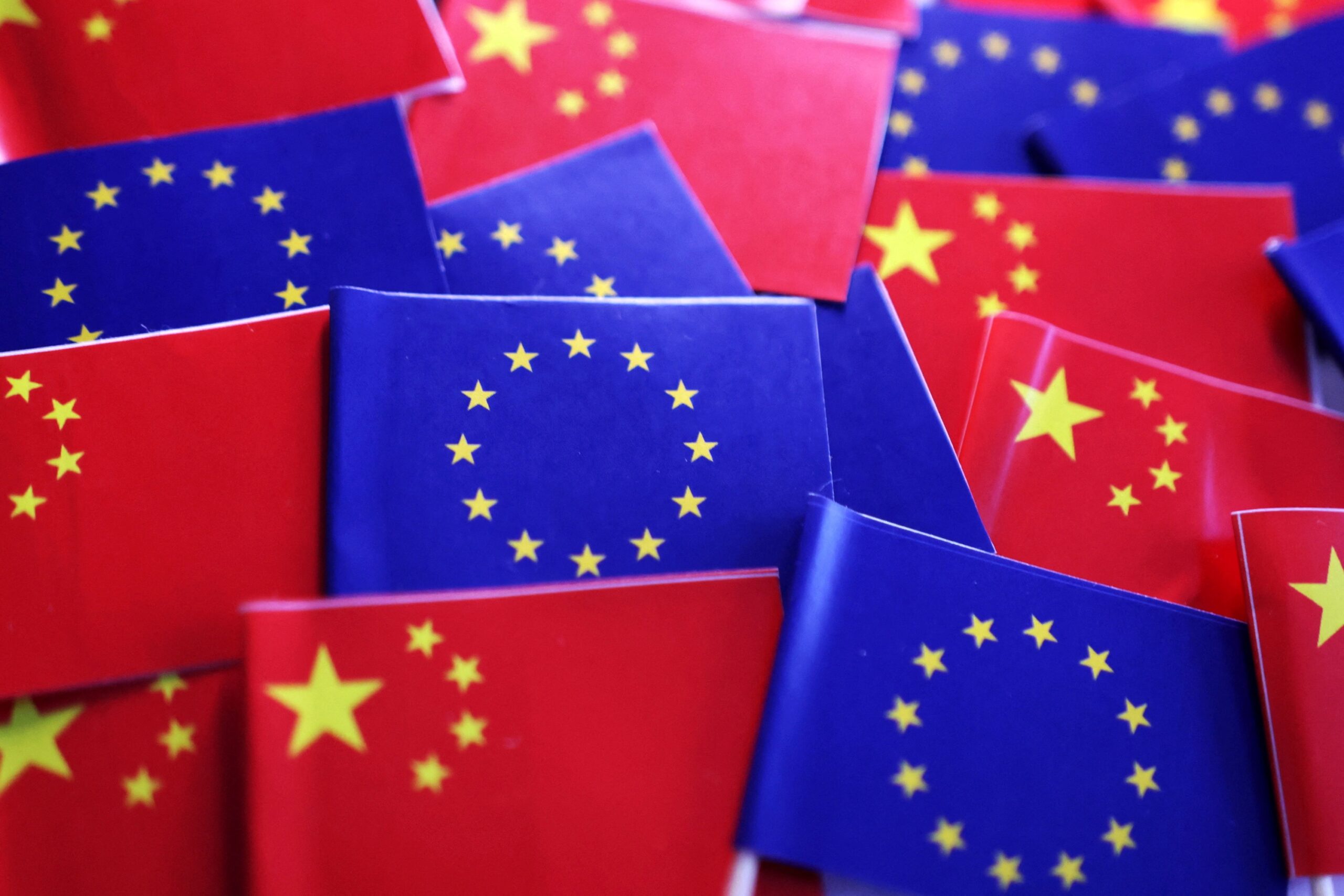
China has warned that it will take firm action to protect its industries if the European Union moves forward with new trade measures targeting Chinese companies and products. The statement signals rising tensions between Beijing and Brussels as both sides navigate growing economic and strategic disagreements.
China’s Commerce Ministry issued the warning after reports emerged that several European Union member states are backing a proposal aimed at strengthening the bloc’s ability to respond to what they view as unfair trade practices. The proposed initiative would give European authorities additional tools to address market distortions and economic competition involving foreign countries.
According to China’s Commerce Ministry, the reported proposal represents a protectionist approach that could harm trade relations between the world’s second-largest economy and one of its most important trading partners.
In a statement released late Tuesday, the ministry argued that such measures could disrupt the stability of China-EU economic ties and undermine cooperation between businesses operating across both markets. Chinese officials said the proposal reflects unilateral trade thinking and could create new barriers for companies engaged in international commerce.
Beijing also warned that increasing pressure on China while continuing trade discussions could damage mutual trust. The ministry stated that meaningful consultations require cooperation and respect from both sides and cautioned that confrontational policies could complicate ongoing dialogue.
The latest dispute comes as Europe continues examining ways to address concerns over market access, industrial competition, and economic security. European policymakers have increasingly debated how to respond to challenges linked to global supply chains, state support programs, and strategic industries.
Reports indicate that Germany and France are among the countries supporting efforts to accelerate development of a new trade instrument. The proposal is reportedly designed to provide the European Commission with stronger tools to address unfair trade practices and protect European industries.
Supporters of the initiative argue that the European Union needs mechanisms capable of responding quickly when companies face unfair competition. They say stronger trade enforcement could help protect strategic sectors and ensure a level playing field for European businesses.
Chinese officials strongly disagree with that view. Beijing argues that restrictive measures could hurt both economies by reducing trade flows and creating uncertainty for investors and manufacturers.
The debate highlights the increasingly complex relationship between China and the European Union. While the two sides remain major trading partners, disagreements have grown in recent years over industrial policy, technology, market access, and national security concerns.
China remains one of the European Union’s largest trading partners, while Europe continues to serve as a key export market for Chinese goods. This deep economic connection means that policy changes on either side can have significant consequences for global supply chains and international business activity.
Chinese media reports suggested that Beijing has a range of policy options available should the European Union adopt additional restrictions. Analysts cited in state-backed publications said China could consider measures involving anti-discrimination investigations, supply chain security reviews, and examinations of foreign subsidy programs.
Although no specific retaliatory measures have been announced, the comments indicate that Chinese officials are preparing for a potential escalation in trade disputes if new European policies move forward.
Business groups and investors are closely monitoring developments because both economies play major roles in global manufacturing, technology, energy, and transportation networks. Any increase in trade barriers could affect companies operating across multiple industries.
The dispute also comes at a time when governments worldwide are reassessing economic security strategies and seeking greater resilience in critical supply chains. Policymakers increasingly face the challenge of balancing open trade with efforts to protect domestic industries and strategic technologies.
For now, discussions within the European Union continue, and no final decision has been announced regarding the proposed trade instrument. However, China’s latest warning demonstrates the sensitivity of the issue and the potential impact on future economic relations.
As negotiations and policy debates continue, both Beijing and Brussels face pressure to manage disagreements while preserving one of the world’s most important trading relationships. The outcome could influence trade policy, investment flows, and economic cooperation for years to come.
