

Federal injunction overturned
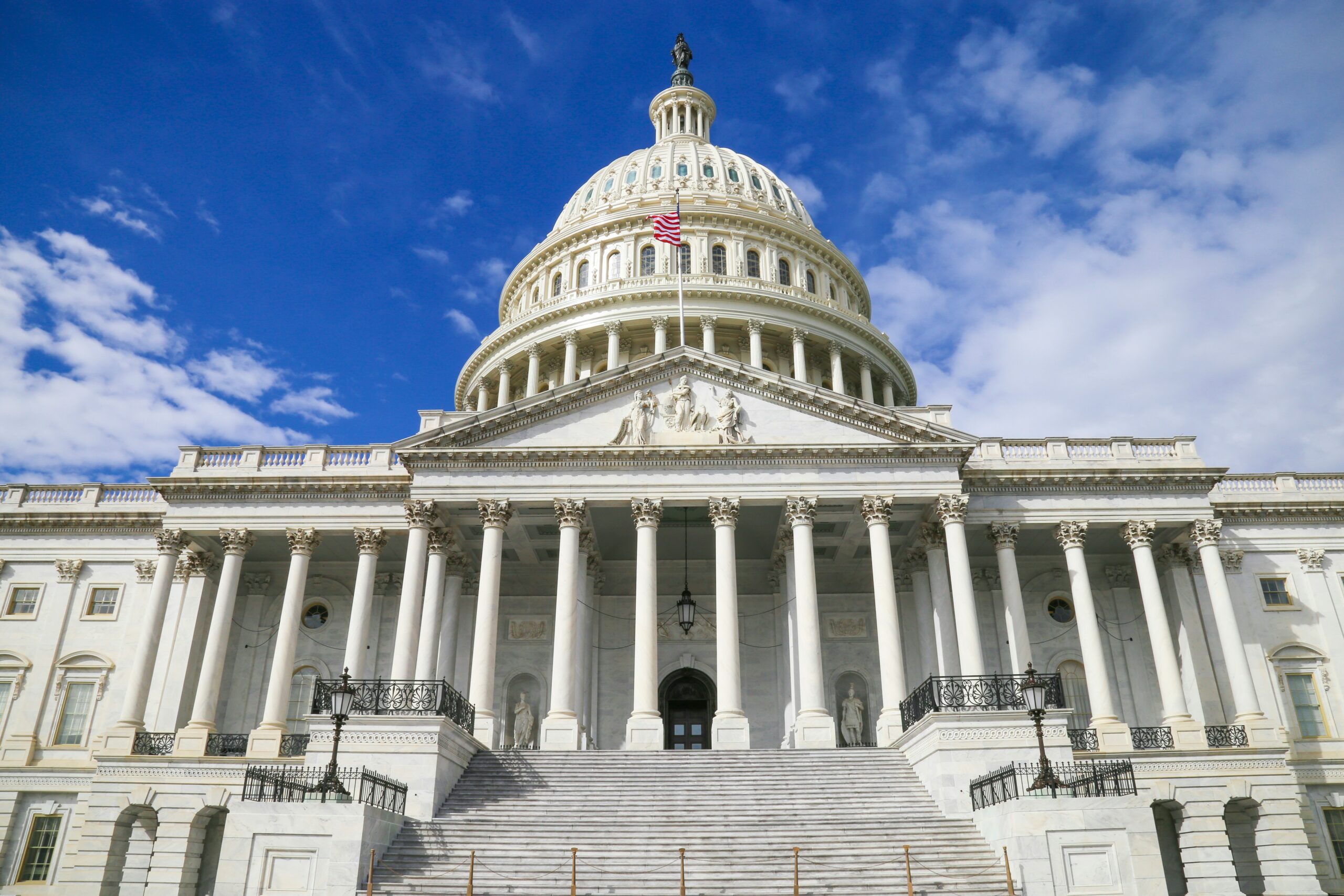
The Supreme Court has sided with the Trump administration, allowing immigration authorities to proceed with raids in Southern California that had been temporarily blocked. This ruling suspends a July 11 injunction issued by U.S. District Judge Maame Frimpong, who had ruled that the government’s enforcement tactics likely violated Fourth Amendment protections against unreasonable searches and seizures.
Case highlights claims of profiling
Plaintiffs accused federal agents of carrying out aggressive stops targeting individuals based on skin color, ethnicity, or the way they spoke. The lawsuit described operations conducted by masked and armed officers, some of which were likened to public abductions. Jason Gavidia, one of the plaintiffs, claimed he was physically accosted after agents dismissed his proof of U.S. citizenship and demanded details about the hospital where he was born. Judge Frimpong’s order had prohibited the use of race, language, type of employment, or presence at certain locations like car washes and tow yards as the sole justification for detentions, noting that these factors alone do not establish “reasonable suspicion.”
Supreme Court divided along ideological lines
After the 9th Circuit Court of Appeals refused to lift Frimpong’s restrictions on August 1, the Justice Department appealed to the Supreme Court. Attorneys for the administration argued that officers needed flexibility in regions where about 10 percent of residents are estimated to be undocumented. The Supreme Court’s conservative majority sided with the government, while the three liberal justices dissented. The decision marks another instance of the high court supporting Trump’s contested immigration policies.
