

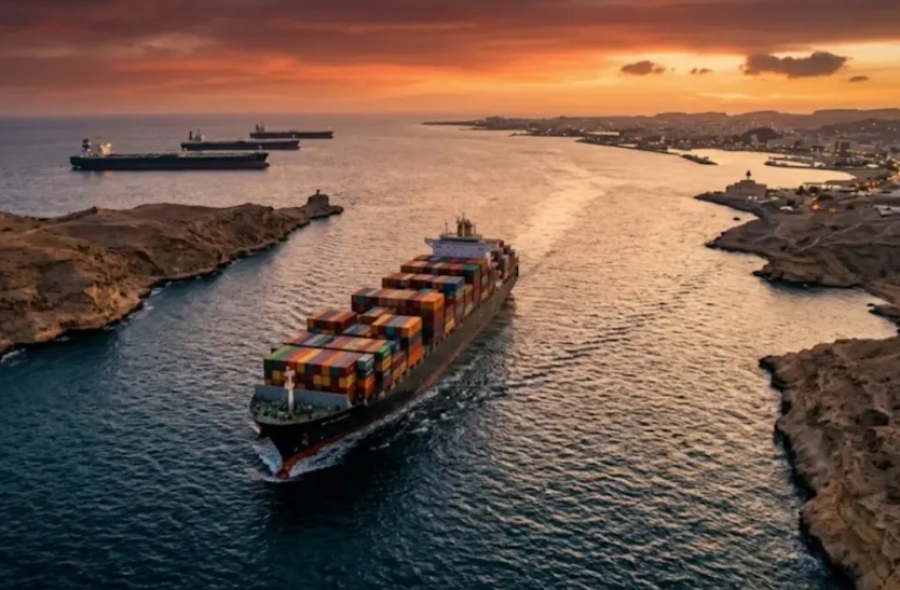
China Shipping Diplomacy is taking a more active role in global maritime stability as Beijing calls for the Strait of Hormuz to remain open for international shipping. The move comes amid rising tensions linked to the Iran conflict and growing concerns over global energy supply chains.
Chinese officials have emphasized that uninterrupted shipping through the Strait of Hormuz is essential for global trade stability. The waterway is one of the world’s most critical energy corridors, carrying a significant share of global oil and liquefied natural gas shipments. Any disruption can quickly affect energy prices and international markets.
The latest diplomatic message highlights China’s concern over escalating risks in the Middle East maritime routes. Beijing has urged all parties involved to ensure safe passage for commercial vessels and to avoid actions that could further disrupt global trade flows.
China Shipping Diplomacy is also being viewed as part of a broader strategy to position Beijing as a stabilizing force in international conflicts. By advocating for open shipping lanes, China is signaling its interest in maintaining predictable global trade conditions.
The Strait of Hormuz has been a key point of tension in recent months due to the ongoing Iran-related conflict. Shipping activity in the region has fluctuated, with some periods of disruption affecting oil tankers and commercial vessels. These disruptions have raised concerns among major importing countries.
China, as one of the world’s largest energy importers, has a strong economic interest in keeping the route open. Stable access to Middle Eastern energy supplies is crucial for its industrial and economic needs. This dependence adds weight to its diplomatic position.
Recent reports indicate that China has been engaging with regional partners, including Gulf states, to encourage maritime stability. These discussions focus on reducing risks to shipping and ensuring continued energy flows through key sea routes.
China Shipping Diplomacy also reflects broader global concerns about supply chain security. Disruptions in the Strait of Hormuz can have immediate effects on oil prices, shipping insurance costs, and global trade confidence.
Industry experts say that China’s call for open shipping routes aligns with its long-term goal of protecting global trade networks. Stable maritime corridors are essential for international commerce, especially for energy-dependent economies.
The diplomatic push also comes at a time when global markets remain sensitive to geopolitical risks. Any escalation in the region could lead to further volatility in energy and shipping sectors.
China has previously supported initiatives aimed at reducing maritime tensions and improving regional cooperation. Its current stance continues that approach, focusing on dialogue and economic stability rather than escalation.
At the same time, analysts note that maintaining open shipping lanes requires cooperation from multiple regional actors. The Strait of Hormuz is a strategic chokepoint, and its security depends on complex geopolitical coordination.
Despite challenges, China Shipping Diplomacy is being seen as a signal of Beijing’s intention to play a larger role in global crisis management. By advocating for open trade routes, China is positioning itself as a key voice in international economic stability.
As tensions continue in the Middle East, the emphasis on secure maritime passage remains central to global economic planning. China’s latest position reinforces the importance of keeping critical shipping lanes open to support energy security and international trade continuity.
