

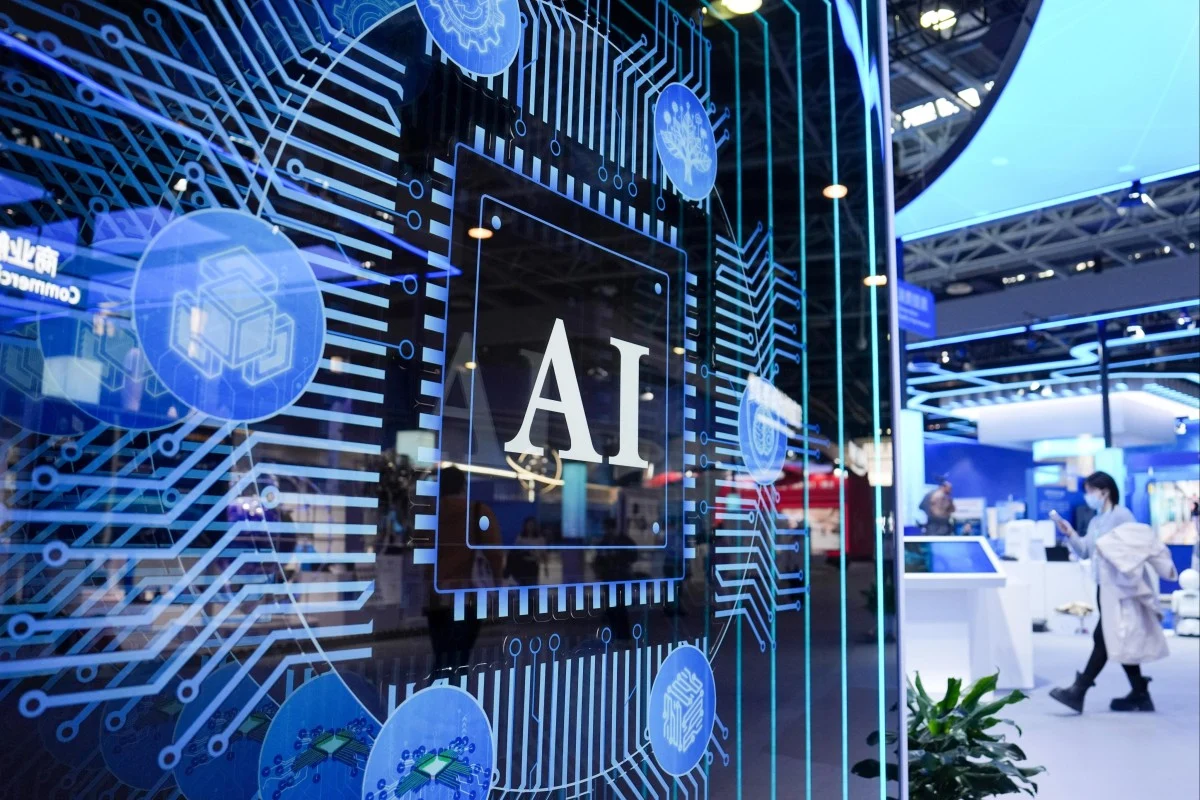
The Hong Kong Tech Index is under heavy pressure as it continues to fall behind a strong wave of Chinese artificial intelligence stock gains. Many investors are now questioning why the index is not keeping up with the excitement in the market.
The index was once seen as China’s answer to the Nasdaq. It tracks major technology companies listed in Hong Kong. It includes firms in internet services, e-commerce, and digital platforms. In earlier years, it was a key way for global investors to access China’s tech growth story.
But today, the situation looks very different. The Hong Kong Tech Index has struggled for months. It has not matched the strong rise seen in several newly listed Chinese AI companies in Hong Kong. These AI-related stocks have attracted strong attention from investors. Many of them have seen sharp price gains soon after listing.
This gap has created frustration in the market. Some investors say the index no longer reflects the real energy in China’s tech sector. On social media platforms, users have even posted emotional comments asking for support for the index. One comment that went viral said, “Please save Hang Seng Tech,” showing growing concern among retail investors.
At the same time, the AI sector in China has become one of the most active areas in global markets. Companies focused on machine learning, large language models, and smart automation are gaining strong demand. Some of these firms recently went public in Hong Kong and saw quick price jumps. This has created a strong contrast with the weak performance of the broader index.
Market observers say the Hong Kong Tech Index is being held back by its structure. Many of its large companies are older internet and platform firms. These companies are facing slower growth compared to newer AI startups. As a result, the index does not fully reflect the fast-moving AI boom.
Another issue is investor rotation. Global funds are moving money into pure AI plays instead of broad tech baskets. This means index-heavy companies are not getting the same attention as smaller, faster-growing AI firms. As a result, the index lags even when parts of the market are rising strongly.
There is also pressure from wider economic conditions. China’s tech sector has faced regulatory changes in recent years. These rules have affected profits and investor confidence. Even though some stability has returned, sentiment remains mixed. This continues to weigh on large index names.
In contrast, newly listed AI companies are seen as future growth leaders. Investors believe they could benefit from rising demand for automation tools, smart systems, and digital services. This optimism is pushing their share prices higher, even when broader market conditions are weak.
The performance gap has created debate among analysts. Some believe the Hong Kong Tech Index will recover if AI companies become more important in its structure. Others think the index will continue to lag unless its composition changes more deeply.
There is also a question of global competition. US tech indexes, especially those focused on AI and semiconductor firms, have seen strong gains. This has increased pressure on Hong Kong’s tech benchmark to perform better. Investors often compare the two markets and notice the difference in momentum.
Despite current weakness, some experts say the index still has long-term value. It includes major companies with large user bases and strong cash flow. These firms are still key players in China’s digital economy. However, they are not currently leading the AI-driven market cycle.
Looking ahead, much will depend on how AI develops in China. If more AI firms grow into large public companies, they may become part of the index and change its direction. Until then, the Hong Kong Tech Index may continue to move slower than the fast-rising AI sector.
For now, the gap between index performance and AI stock gains remains wide. Investors are watching closely to see if the index can catch up or if it will continue to lag behind the new wave of technology growth.
