

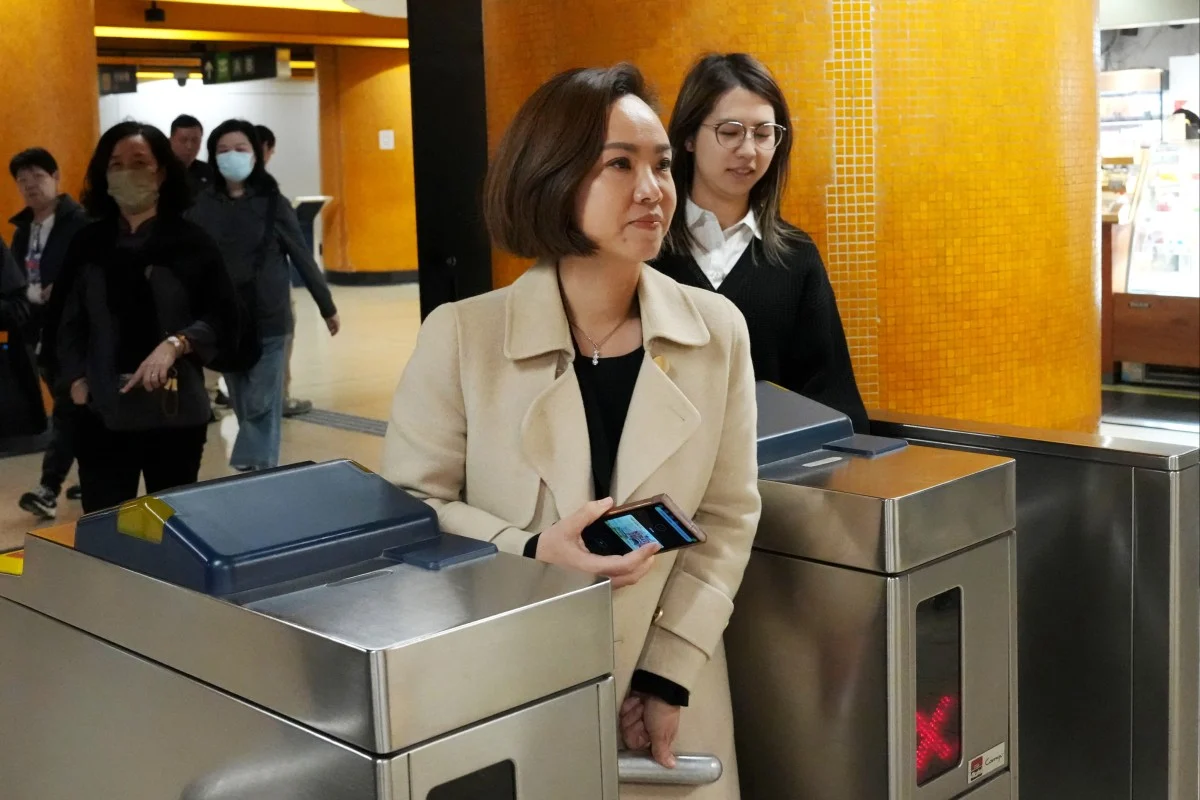
Hong Kong’s legislature has formally issued a written warning to lawmaker Judy Chan, following a traffic-related incident that was recorded and later reviewed by officials. The case has drawn public attention and raised questions about conduct standards for elected members.
The Judy Chan Legco warning came after a committee investigation into a complaint about her driving behavior. Chan, who is 45 years old and a member of the New People’s Party, was filmed driving on the wrong side of the road in the Wan Chai area on January 23. The video circulated later and led to public discussion.
The incident did not involve a crash or reported injuries. However, it raised concerns because it involved a public official. Driving on the wrong side of the road is considered a serious traffic violation under Hong Kong road safety rules. The case was then reviewed by the Legislative Council’s Supervisory Committee.
After reviewing the complaint, the committee took about four months to complete its process. During this time, members examined the footage and related details. They also assessed whether the case showed a pattern of misconduct or a single mistake.
According to the committee’s findings, members reached a unanimous view. They said the misconduct did not reach a serious level. They also noted that this was Chan’s first recorded traffic offence. Based on these points, the committee decided not to apply stronger disciplinary action.
Instead, the committee issued a formal written warning. This step is part of internal rules used to remind members of their responsibilities. The warning is meant to ensure that lawmakers maintain proper conduct in public and private life.
The Judy Chan Legco warning also included a reminder about public expectations. The committee stressed that lawmakers must be careful with their actions at all times. It stated that elected members are expected to set a strong example for the public.
Officials said the purpose of the warning is not only to address the specific incident but also to reinforce trust in public institutions. Lawmakers are expected to follow both legal rules and ethical standards. Even minor violations can affect public confidence.
The report highlighted that Chan must be more mindful of her behavior going forward. It said she should ensure that her actions match the expectations of her role in the legislature. This includes both driving behavior and general public conduct.
Chan has not publicly disputed the committee’s findings. There is no report of additional penalties beyond the written warning. The case is now considered closed within the internal review process.
Public reaction has been mixed. Some people believe the response is appropriate since it was a first offence and no harm occurred. Others think public officials should face stricter consequences, even for single mistakes, due to their position.
Traffic safety remains an important issue in Hong Kong. The city has strict road rules, and enforcement is taken seriously. Wrong-way driving is treated as a dangerous act because it can lead to serious accidents, especially in busy urban areas like Wan Chai.
The Judy Chan Legco warning also reflects how public officials are held to higher standards. Even minor incidents can become part of official review processes when they involve elected members. This is part of efforts to maintain accountability in governance.
Political analysts say such warnings are often used as corrective measures rather than punishment. They aim to guide behavior rather than remove officials from office. However, repeated offences could lead to stronger actions in future cases.
For now, the committee has closed the case with a formal warning. It expects Chan to follow traffic rules more carefully and maintain conduct that reflects her role as a public representative.
The incident serves as a reminder of how quickly everyday actions can become public matters for elected officials. It also highlights the importance of responsibility, even in personal activities like driving.
The Judy Chan Legco warning may remain a reference point in discussions about public accountability in Hong Kong’s political system.
