

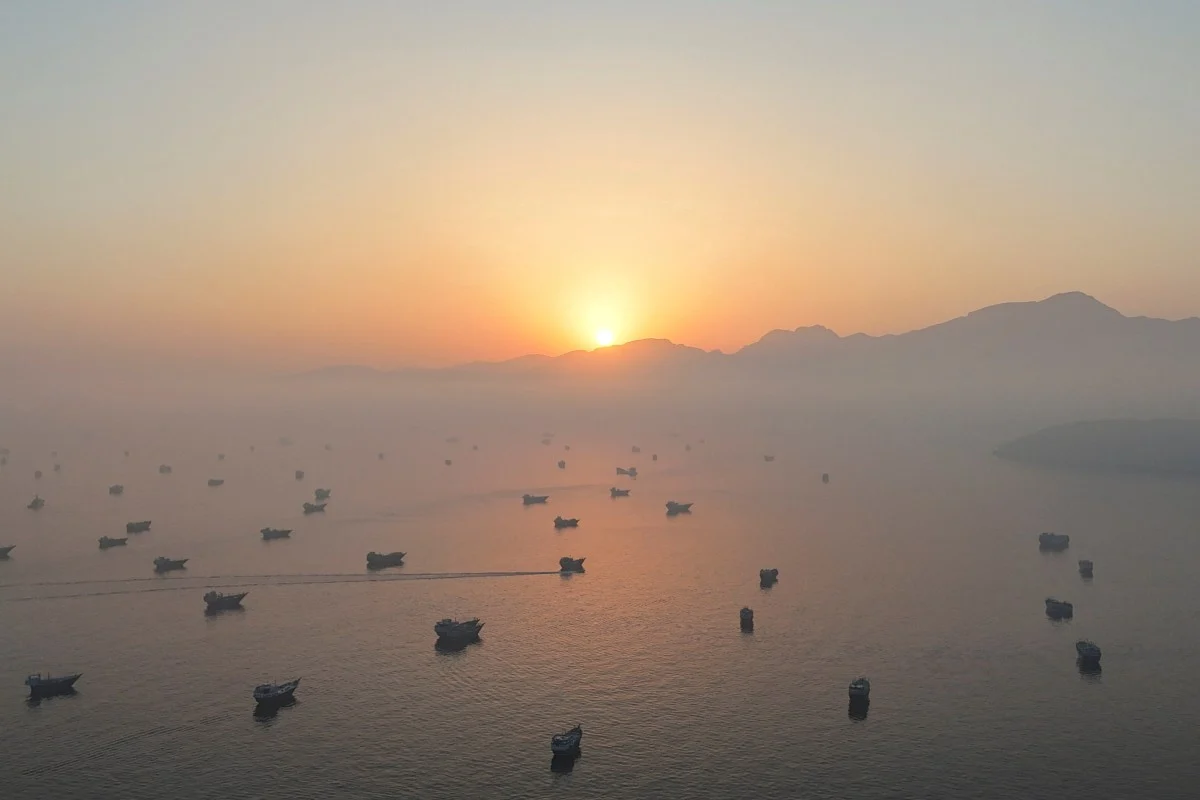
Crew members aboard dozens of Hong Kong-owned vessels stranded in the Strait of Hormuz for several months remain safe and continue to receive essential support, according to a senior representative of the shipping industry.
The Hong Kong Ship Crews situation has drawn attention as around 80 vessels and approximately 1,600 seafarers remain affected by ongoing disruptions in one of the world’s most important maritime routes.
Kenneth Lam Sze-kin, deputy chairman of the Hong Kong Shipowners Association, said the crew members have access to adequate supplies and welfare services while remaining on board their vessels.
Speaking on a radio program on Wednesday, Lam said shipowners have continued to provide the resources needed to ensure the well-being of seafarers during the prolonged period of uncertainty.
According to Lam, crew members face little immediate danger despite the ongoing stand-off affecting shipping operations in the Strait of Hormuz.
He explained that as long as shipowners continue funding essential services, crews can maintain access to food, water, electricity, and other necessities required for daily life aboard ships.
The Strait of Hormuz is one of the world’s busiest maritime corridors and serves as a critical route for global trade and energy transportation.
Any disruption in the area can affect shipping schedules, supply chains, and commercial operations across multiple regions.
The vessels involved in the current situation have reportedly remained stranded for about five months, creating operational challenges for shipping companies and extended periods at sea for crew members.
Despite these difficulties, industry representatives say shipowners have taken steps to support the physical and mental well-being of seafarers.
In addition to providing regular supplies, shipping companies have made counselling services available through video communication platforms.
Mental health support has become an increasingly important part of maritime welfare programs, particularly for crews spending long periods away from home under challenging conditions.
Industry experts note that extended stays at sea can create emotional and psychological pressures for seafarers, making access to communication and counselling services especially valuable.
The availability of virtual support allows crew members to speak with professionals and receive assistance without leaving their vessels.
Lam emphasized that maintaining a safe and stable onboard environment remains a priority for shipowners during the ongoing disruption.
He noted that logistical support can continue effectively when companies are willing to invest in maintaining vessel operations and crew welfare.
The shipping industry has faced a range of challenges in recent years, including geopolitical tensions, supply chain disruptions, and changing trade conditions.
As a result, many companies have increased their focus on crew welfare and operational resilience.
Maritime organizations worldwide have repeatedly highlighted the importance of protecting seafarers and ensuring access to adequate living conditions, healthcare, and communication services.
The welfare of crew members remains a central concern whenever vessels experience prolonged delays or operational restrictions.
The current situation in the Strait of Hormuz has underscored the importance of planning and support systems for ships operating in sensitive regions.
Shipping companies continue to monitor developments closely while working to maintain normal operations wherever possible.
Industry representatives have also stressed the need for ongoing cooperation among shipping firms, maritime authorities, and international stakeholders to support safe navigation and crew welfare.
Although uncertainty remains regarding when normal operations will fully resume, officials say current conditions onboard Hong Kong-owned vessels remain stable.
Regular supply deliveries and welfare measures have helped reduce the impact of the prolonged disruption on crew members.
The Hong Kong Ship Crews affected by the situation continue to receive support from shipowners, allowing them to remain safe while awaiting further developments.
Maritime industry leaders say they will continue monitoring conditions and ensuring that seafarers have access to the resources needed to maintain their health, safety, and well-being during the ongoing stand-off in the Strait of Hormuz.
