

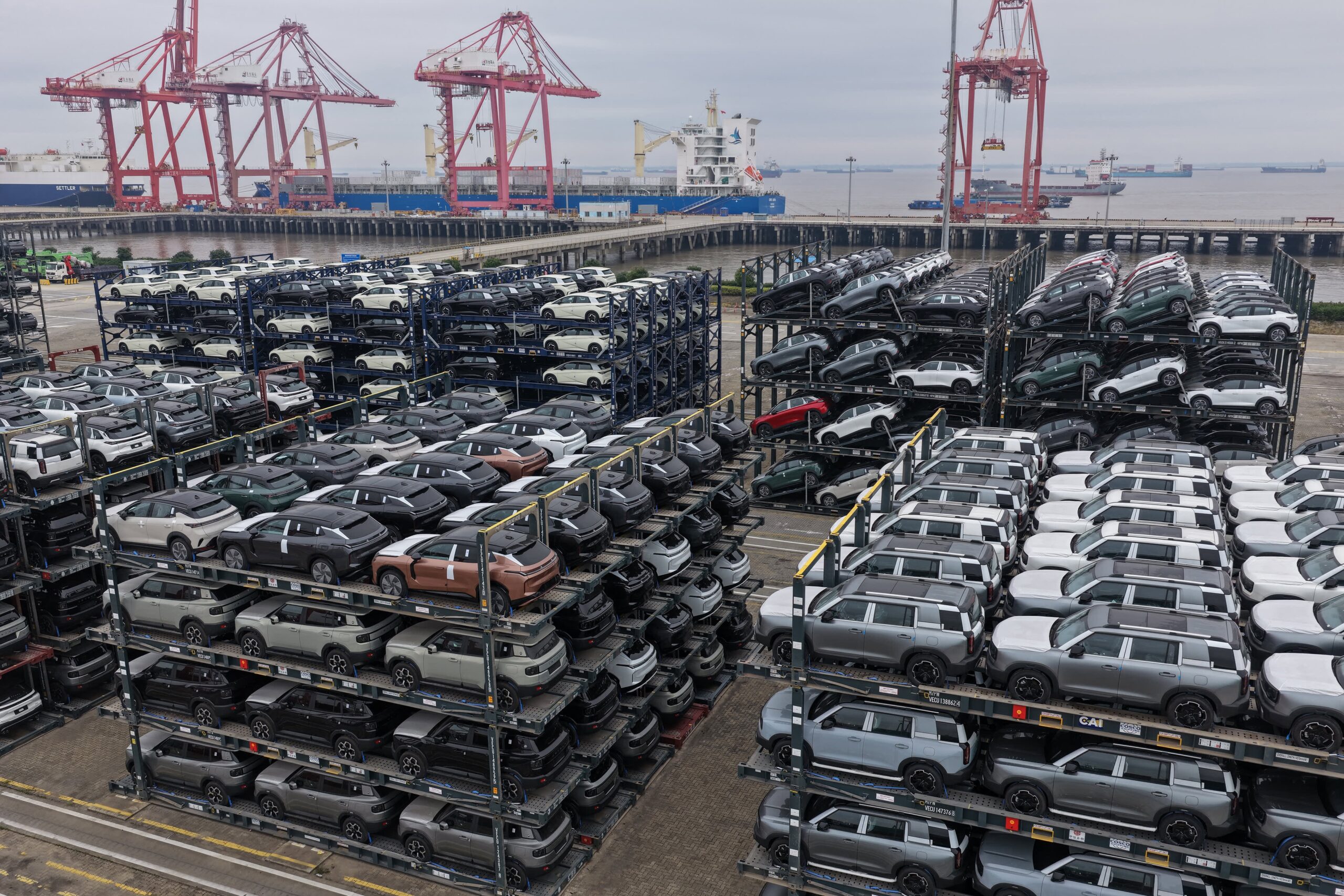
China’s exports rose sharply in September, growing 36.3% from a year earlier. This was the fastest increase since February, according to official data released on Wednesday. Imports also climbed at their strongest pace since June, showing continued strength in the country’s foreign trade.
Exports grew faster than economists had expected. A poll of economists had forecast growth of 25.5%. The actual increase was much higher, showing strong demand for Chinese goods in overseas markets.
Imports rose by 31% compared with the same month last year. This was also above the expected rate of 24.5%. The increase marked a rise from August, when imports grew by 28.2%.
The latest figures point to stronger trade activity in the world’s second-largest economy. Earlier this year, both exports and imports recorded their fastest growth in five years. The new data suggest that China’s foreign trade continues to perform well despite concerns about weak demand at home.
Demand for products linked to artificial intelligence has played an important role in supporting exports. Chinese manufacturers supply parts and equipment used in data centers that power AI services. The global expansion of these facilities has created new demand for technology products made in China.
Improved trade relations with the United States have also helped support business activity. The US remains China’s largest trading partner among individual countries. More stable relations have reduced some pressure on trade and given companies greater room to plan shipments.
China recorded a trade surplus of $133.5 billion in September. This was a record monthly high. The surplus means the value of goods China sold abroad was much higher than the value of goods it bought from other countries.
Hao Zhou, head of research and chief economist at Guotai Junan International Holdings, said the record surplus showed the strength of China’s external trade sector. He added that the figures remained strong despite ongoing concerns about domestic demand.
The large surplus may also keep attention on the balance between China’s exports and imports. China has continued to sell large amounts of goods overseas, while demand from local consumers and businesses has remained a concern.
The growth in exports has increased global scrutiny of China’s economic model. Some governments and trade groups have raised concerns about the effect of rising Chinese shipments on local industries. They argue that strong exports can create pressure on manufacturers in other countries, especially when domestic demand in China remains weak.
Imports have also gained support from AI-related demand. Higher prices for some core products have helped raise the value of goods entering the country. This means both demand and prices have played a role in the latest import growth.
Trade ties between Beijing and Washington have shown some signs of improvement. Last month, the two countries announced plans to reduce tariffs on $30 billion worth of goods from each side. They also agreed to extend a wider trade truce by two months, until January.
The steps offer some relief for businesses that depend on trade between the two economies. However, major disagreements remain, and the longer-term direction of trade policy is still uncertain.
China has also made progress in talks with the European Union. Last week, the bloc announced that China had agreed to halve its exports of hybrid-powered cars to Europe. The agreement followed high-level trade discussions in Beijing.
The planned reduction could help ease tensions over Chinese vehicle exports and competition in the European car market. It also shows that trade policy remains a major issue in China’s relations with its largest overseas markets.
September’s figures show that China continues to benefit from strong demand for its goods, especially products linked to technology and AI. Better trade conditions with major partners have added support.
Still, the record surplus highlights a key challenge for Beijing. Strong overseas sales have helped support economic activity, but concerns about domestic demand remain. Future trade growth will depend on global demand, prices, and how China manages its relations with major trading partners.
Is this conversation helpful so far?
