

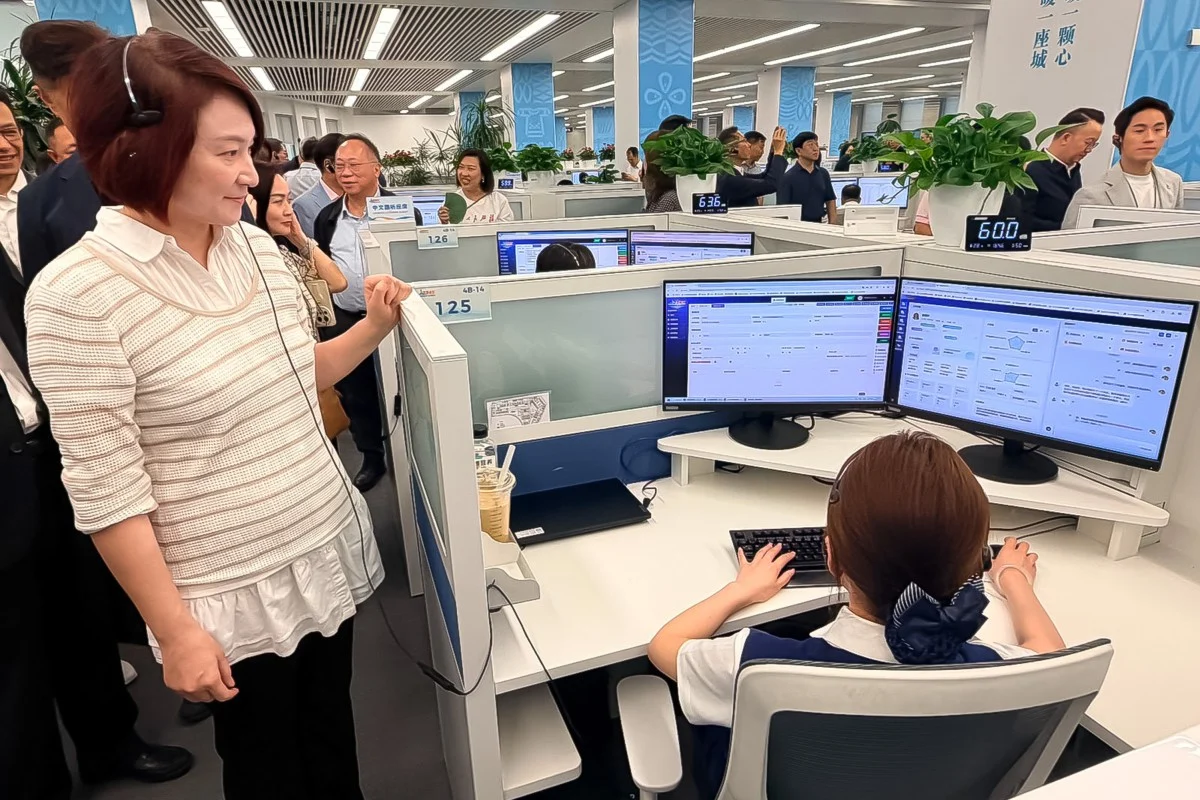
Hong Kong lawmakers have called for reforms to the city’s public inquiry hotline, urging authorities to study Beijing’s approach to handling public complaints and service requests. The proposal was raised during Chief Executive John Lee Ka-chiu’s first closed-door dialogue session with members of the Legislative Council.
The meeting, described as a “rules-free and warm-hearted” exchange, brought together 67 lawmakers for a 90-minute discussion at the Legislative Council complex on Tuesday. Fifteen legislators spoke directly with the chief executive during the session, which focused on a range of public policy and governance issues.
Several lawmakers used the opportunity to suggest improvements to the government’s public inquiry and complaint-handling system. They argued that Hong Kong could benefit from adopting elements of Beijing’s model, which is known for its centralized approach to receiving, tracking, and responding to public concerns.
According to participants, lawmakers emphasized the importance of improving communication between residents and government departments. They said a more efficient hotline system could help authorities respond faster to complaints, increase public satisfaction, and strengthen confidence in government services.
The discussion comes as Hong Kong continues efforts to improve public administration and streamline government operations. Legislators noted that residents often rely on official hotlines to seek information, report issues, and request assistance from public agencies.
Supporters of reform believe a modernized system could help ensure that complaints are directed to the correct departments more quickly and that follow-up actions are monitored more effectively. They also suggested that technology and better coordination among agencies could improve overall service quality.
The dialogue session marked a notable change in communication between the executive branch and lawmakers. The current Legislative Council term is the first since Hong Kong’s 1997 return to Chinese sovereignty that has not included a formal question-and-answer session with the city leader before the summer recess.
Despite the change, Chief Executive John Lee stressed that the new discussion format is not intended to replace existing communication channels. He said established mechanisms for engagement between the government and lawmakers will remain in place.
Officials described the closed-door meeting as an opportunity for open and candid exchanges. The format allowed legislators to raise concerns and suggestions directly with the chief executive in a less formal setting.
Lawmakers who attended the meeting said the conversation covered a variety of issues affecting governance, public services, and future policy development. The proposal to improve the public inquiry hotline was among the key topics discussed.
Advocates of the idea pointed to Beijing’s experience in managing large volumes of public inquiries and complaints. They suggested that studying successful practices from other cities could help Hong Kong develop a more responsive and citizen-focused system.
Improving complaint-handling mechanisms has become an important issue for many governments as public expectations for efficient services continue to grow. Modern hotline systems increasingly rely on digital tools, data tracking, and integrated platforms to ensure that public concerns are addressed promptly.
While no specific reforms were announced following the meeting, lawmakers said they hope the government will consider their recommendations as part of broader efforts to improve public services and administrative efficiency.
The dialogue session also highlighted the government’s interest in exploring new ways to engage with legislators. By creating a more informal setting, officials hope to encourage constructive discussions and strengthen cooperation on policy matters.
As Hong Kong continues to review public service delivery and government responsiveness, the proposal to enhance the public inquiry hotline may become part of future discussions on administrative reform. Lawmakers believe a stronger system could improve communication between residents and authorities while helping government agencies respond more effectively to public needs.
The closed-door meeting ended after approximately 90 minutes, with participants describing the exchange as productive and focused on practical solutions to challenges facing the city.
