

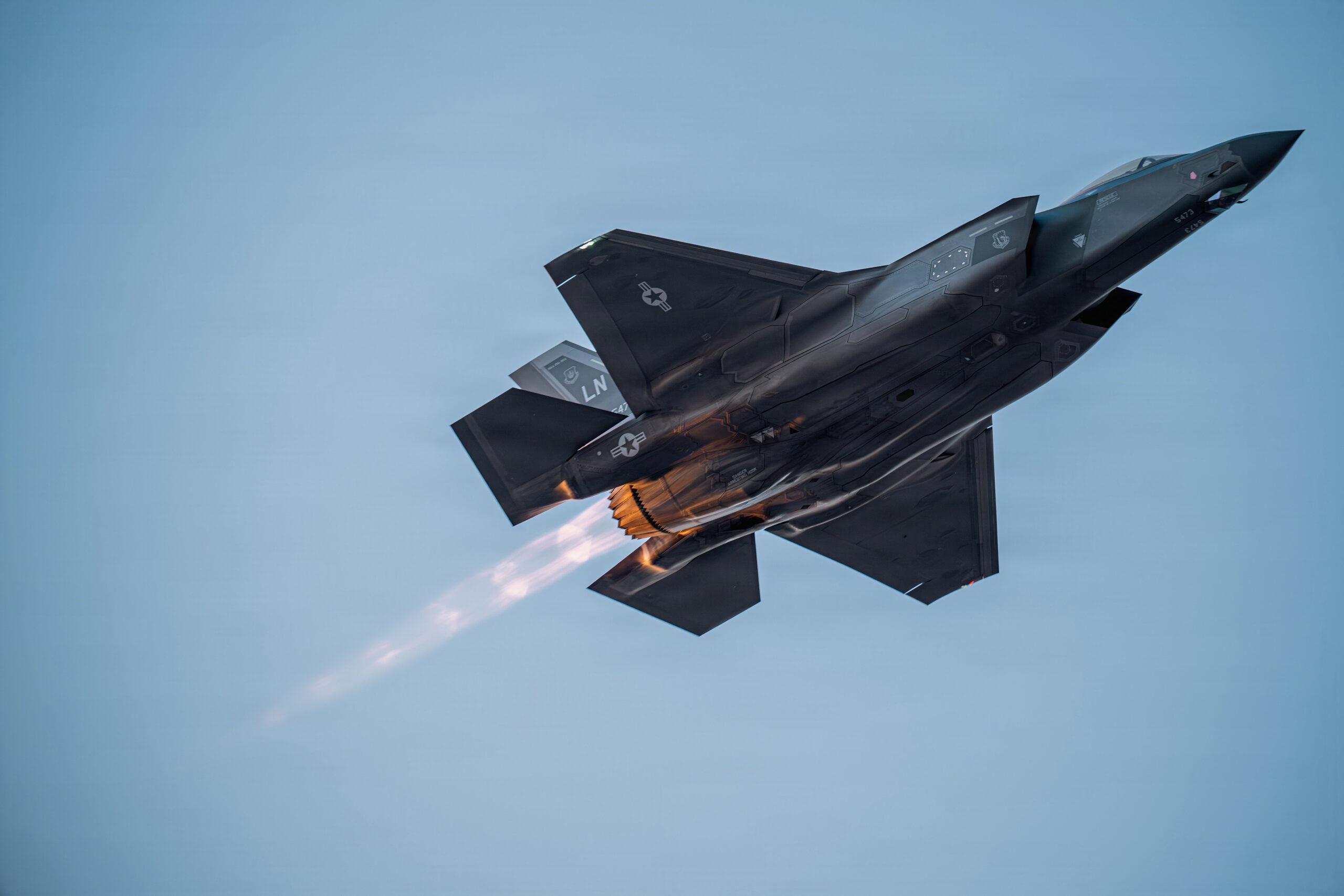
U.S. defense officials are investigating a shipment of F-35 fighter jet components that was unexpectedly diverted to Hong Kong, raising concerns about the potential exposure of sensitive military technology.
The incident involves unserviceable parts from the F-35 Lightning II program, one of the most advanced military aircraft projects in the world. Officials are now working to recover the components and determine how the shipment was redirected.
According to individuals familiar with the matter, the shipment included several aircraft parts, among them a canopy used to cover the cockpit. The canopy is considered highly sensitive because it incorporates stealth-related technology that helps reduce the aircraft’s visibility to radar systems.
Defense experts say that access to physical components can provide valuable information about advanced military systems. Even when a part is no longer operational, it may still contain design features, materials, and engineering details that could be useful for analysis.
The unexpected arrival of the shipment in Hong Kong has drawn particular attention because of the city’s growing integration with mainland China. In recent years, Beijing has expanded its influence over Hong Kong through national security measures and broader political control.
The possibility that sensitive military components could enter an environment where Chinese authorities may gain access has heightened concerns among defense analysts and policymakers.
The Pentagon’s F-35 Joint Program Office confirmed that it is aware of the shipment issue. In a statement, officials said they are working with government authorities and industry partners to retrieve the components and investigate the circumstances surrounding the diversion.
The office also stated that steps are being taken to prevent similar incidents in the future. Officials did not provide details regarding how the shipment was redirected or whether any of the components remain in Hong Kong.
The F-35 program is a cornerstone of U.S. and allied military aviation. Developed with advanced stealth capabilities, sensor systems, and networked warfare technologies, the aircraft is operated by the United States and numerous partner nations.
Because of its strategic importance, the program has long been a target for espionage efforts. Security agencies have repeatedly warned about attempts by foreign actors to obtain information related to the aircraft’s design and capabilities.
Defense specialists note that physical access to components can offer insights that may not be available through digital intelligence gathering alone. Materials, coatings, manufacturing methods, and structural features can sometimes reveal information about performance and engineering techniques.
J.J. Gertler, a former military aviation analyst and congressional staff member, said China has spent years attempting to gather information related to the F-35 program through a variety of methods.
According to Gertler, obtaining an actual component could help researchers compare physical evidence with previously acquired data. He noted that even if technical specifications are already known, examining a real part can validate assumptions and provide additional details.
The incident has renewed attention on the security of defense supply chains and logistics systems. Modern military programs often involve thousands of suppliers, maintenance facilities, and transportation networks operating across multiple countries.
Managing sensitive equipment throughout those networks remains a significant challenge. Defense officials regularly review procedures designed to ensure that military technology is transported, stored, and disposed of securely.
The investigation is expected to continue in the coming weeks, with additional briefings anticipated as officials gather more information. Authorities are examining how the shipment moved through the transportation chain and whether existing safeguards were followed.
Industry experts say the outcome of the review could lead to new security measures governing the movement of military components, particularly those linked to advanced aircraft and stealth technologies.
For now, officials remain focused on recovering the diverted parts and determining whether any sensitive information may have been exposed. The case highlights the continuing importance of protecting advanced defense technology at a time of increasing strategic competition and growing concerns over international espionage activities.
