

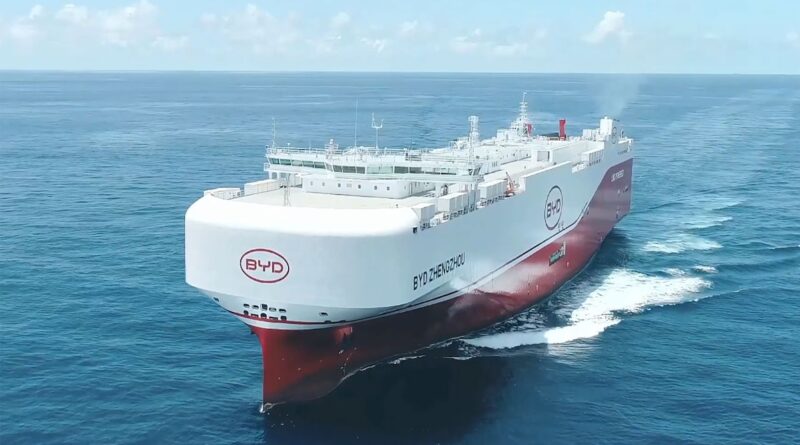
The European Union and China have reached a trade deal to reduce Chinese plug-in hybrid car exports to Europe. The agreement aims to cut these exports by more than half over four years. In return, China will lower tariffs on some European goods and ease access to rare earth materials.
The deal followed urgent talks in Beijing between EU Trade Commissioner Maros Sefcovic and Chinese officials. The two sides said they would work within World Trade Organization rules to manage trade disputes and explore further tariff cuts.
The agreement comes as European carmakers face strong competition from Chinese brands. New EU tariffs on Chinese electric cars pushed some Chinese companies to focus more on plug-in hybrid vehicles. These cars can run on both electricity and fuel, making them different from regular hybrid models.
The distinction matters because the EU’s earlier tariffs targeted battery-powered electric cars, not all types of hybrid vehicles. Chinese manufacturers expanded their plug-in hybrid sales as they looked for ways to keep their cars competitive in Europe.
The rise in exports has increased pressure on European carmakers. German companies, in particular, face weak demand, high costs and growing competition. Volkswagen has announced major plans to reduce costs and jobs as it adjusts to difficult market conditions.
The EU and China now hope the new deal will help ease some of the pressure on the European market while keeping trade links open.
Under the agreement, China will work to reduce its plug-in hybrid exports to the EU by more than half over four years, according to Sefcovic’s account of the talks. The plan is intended to address concerns about the rapid growth of Chinese vehicle imports.
China will also lower tariffs on European products worth about €4 billion in annual trade. These goods include auto parts, olive oil and footwear. Sefcovic said the tariff changes could save European exporters around €125 million each year.
The savings may help European companies sell more products in China. However, the broader impact will depend on how the agreement is put into practice and how demand develops in both markets.
Rare earth materials were another key issue in the talks. These materials are important for many modern technologies, including electric motors, electronics and other industrial products. China plays a major role in the global supply chain for rare earths and permanent magnets.
China’s Ministry of Commerce said the country was willing to keep helping approve export licences for rare earth materials and permanent magnets bound for the EU. The statement offered a sign of progress on an issue that has caused concern among European manufacturers.
Reliable access to these materials matters as Europe seeks to expand its electric vehicle industry and other advanced manufacturing sectors. Any delays in supply can raise costs and disrupt production.
The speed of the agreement was also notable. Both sides reached a deal after two days of discussions, showing a willingness to address trade tensions through direct talks.
The negotiations took place within the framework of the World Trade Organization. This approach contrasts with the use of unilateral tariffs, which can trigger retaliation and increase costs for businesses and consumers.
The EU and China said they would continue to explore possible tariff reductions or removals for certain goods under WTO rules. Their joint statement signalled support for using international trade rules to resolve disagreements.
The deal does not end all trade tensions between the two sides. European officials remain concerned about competition from Chinese manufacturers, while Beijing has opposed tariffs it considers unfair. The agreement instead offers a way to manage one part of the dispute through negotiation.
For European carmakers, the planned reduction in Chinese plug-in hybrid exports may provide some relief. Yet companies will still need to compete on price, technology and product quality as the global car market changes.
The outcome will depend on how quickly both sides carry out their promises. The agreement could support European exporters and improve access to key materials, while also testing whether cooperation can reduce pressure in the fast-changing automotive market.
