

Citigroup delivered a robust performance in the first quarter of 2026, significantly beating Wall Street expectations on both the top and bottom lines. The financial giant reported its best quarterly revenue in a decade, soaring 14% year-over-year to an impressive $24.63 billion. Net income climbed to $5.8 billion, or $3.06 per share, marking a substantial 56% increase in earnings per share compared to the previous year’s $4.1 billion, or $1.96 per share. This strong showing was further highlighted by a return on tangible common equity (ROTCE) of 13.1%, the highest since 2021 and comfortably above the firm’s own target range of 10% to 11% ROTCE. Such figures underscore a successful period of strategic execution and market adaptation for the banking conglomerate.
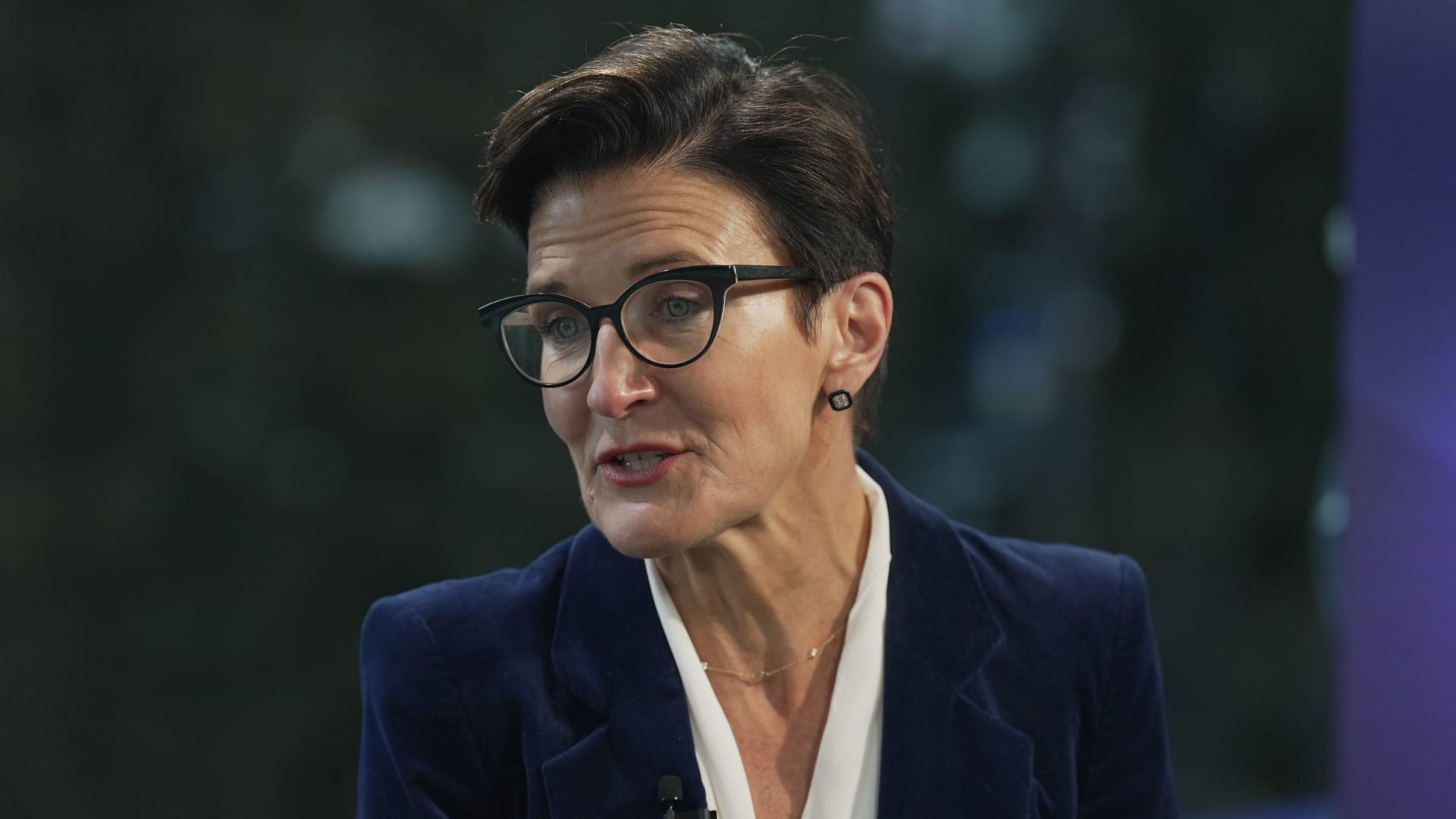
Citigroup CEO Jane Fraser emphasized the bank’s progress, stating that the firm is well on track to achieve its ROTCE target for the year. She also noted significant advancements in the company’s ambitious streamlining efforts, with 90% of transformation programs now reaching or nearing their target state, and the final phase of divestitures underway. The market has responded positively, with Citigroup’s stock emerging as the best performer among large banks year-to-date, a testament to its ongoing turnaround initiatives and perceived undervaluation. While the firm navigates regulatory consent orders, which it reportedly expects to complete this year, its global footprint positions it uniquely, though also potentially more exposed to geopolitical shifts compared to domestic peers.
A key catalyst for the first-quarter beat was the exceptional performance of Citigroup’s markets division. Its larger fixed income division saw revenue jump 13% to $5.2 billion, significantly outpacing the StreetAccount estimate of $4.68 billion. Equities revenue surged even more dramatically, rising 39% to $2.1 billion, exceeding estimates by approximately $500 million. While overall investment banking revenue came in slightly below expectations, equity underwriting was a bright spot, posting $208 million and beating its $186.3 million estimate. Furthermore, the services unit demonstrated strong growth, with revenue increasing 17% to $6.1 billion, surpassing Wall Street’s $5.8 billion forecast. Even with reconfigurations, the wealth and U.S. consumer cards divisions reported gains thanks to segments like Citigold and retail banking.
Despite the overarching positive results, Citigroup did report some areas of increased expense and provisions. The firm’s provision for credit losses was higher than anticipated at $2.81 billion, versus an expected $2.64 billion. This increase was attributed to net credit losses in consumer cards and an allowance for credit loss build of $579 million, signaling careful management of potential future defaults. Additionally, overall expenses rose by 7%, driven primarily by severance costs associated with its restructuring and unfavorable foreign exchange translation impacts. These factors highlight the ongoing costs associated with its transformation and the dynamic nature of its global operations, even as the bank continues its strong trajectory.
