

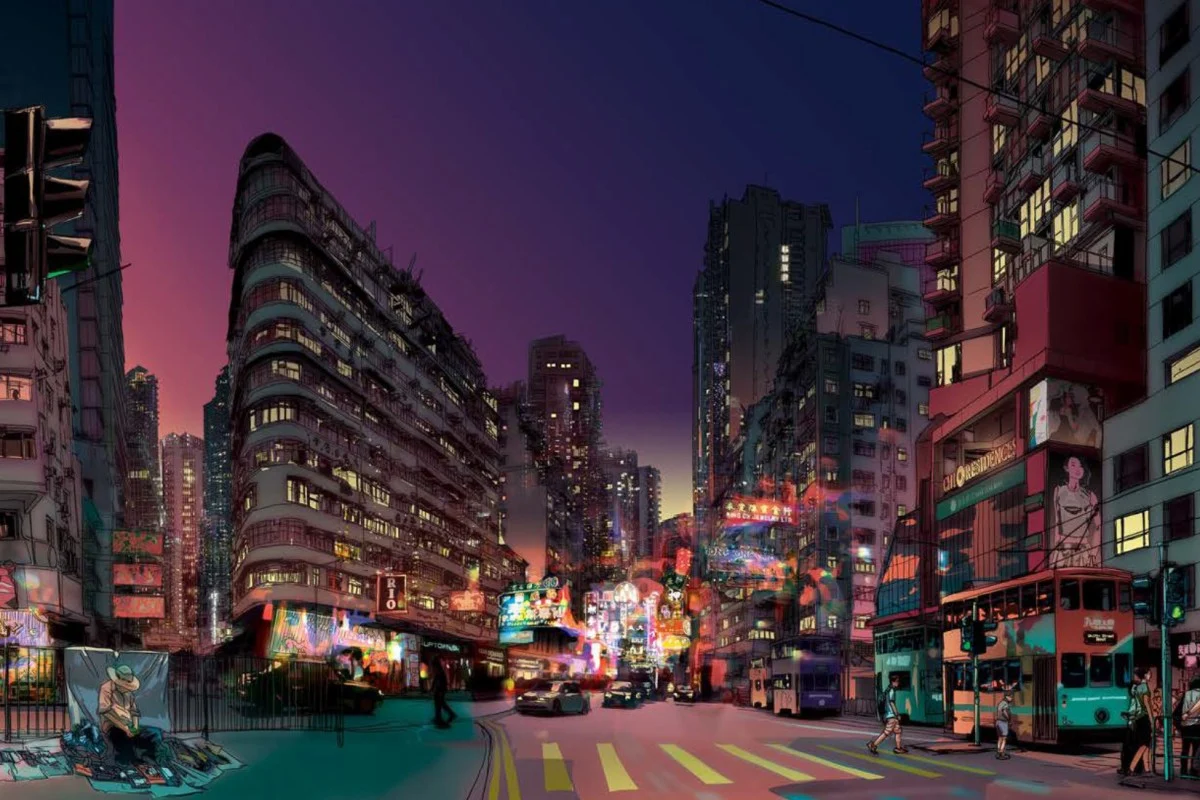
Hong Kong community art is expanding across the city as new outreach programmes bring cultural activities into public spaces. Libraries, community halls, and outdoor venues are hosting a wide range of events. These programmes are designed to make art and culture more accessible for families and local residents.
The initiative focuses on bringing creative activities closer to everyday life. Instead of limiting art to galleries or theatres, organisers are using public spaces. This allows more people to take part without travel barriers or high costs. Families can easily join events in their own neighbourhoods.
Libraries are playing a key role in this expansion. Many are hosting storytelling sessions, small exhibitions, and creative workshops. These activities encourage reading, imagination, and artistic expression. Children and parents can participate together in a relaxed environment.
Community halls are also being used for cultural programmes. These spaces host music performances, art classes, and interactive sessions. Local artists often lead these activities. This helps connect residents directly with creative professionals in their communities.
Outdoor venues such as parks and open squares are turning into cultural spaces. Temporary stages and art installations are being set up in public areas. These events create a lively atmosphere where people can enjoy culture in an open environment. It also encourages more casual participation.
The Hong Kong community art programmes aim to promote inclusion. They are designed for people of all ages and backgrounds. Many events are free or low-cost. This makes it easier for families to take part regularly. It also helps reduce barriers to cultural access.
Organisers say the goal is to strengthen community connections through art. Shared cultural activities help people interact and build relationships. They also support local identity and social engagement. Art becomes a tool for bringing communities together.
Local artists are actively involved in these programmes. They lead workshops in painting, music, crafts, and digital art. This gives them a platform to share their skills while engaging with the public. It also helps them reach audiences outside traditional art spaces.
Educational elements are also part of many events. Children learn basic creative skills such as drawing, storytelling, and performance. These activities support learning in a fun and interactive way. They also help develop confidence and creativity at an early age.
The expansion of Hong Kong community art is also supported by cultural organisations. They provide funding, materials, and planning support. This ensures that programmes can run in different districts across the city. It also helps maintain a consistent level of quality in events.
Residents have responded positively to the increased access to cultural activities. Many families appreciate having events close to home. It allows them to spend more time together while exploring creativity. Community participation has increased in several districts.
Experts say this approach reflects a global trend in cultural planning. Cities are increasingly using public spaces for creative engagement. This helps make culture more inclusive and visible in daily life. It also strengthens the role of arts in urban development.
Tourism may also benefit indirectly from these activities. Visitors who experience community events gain a more local view of the city. It adds diversity to cultural tourism beyond major festivals and exhibitions.
The Hong Kong community art programmes are expected to continue expanding. More venues and districts are likely to join future events. Organisers plan to introduce new themes and activities over time. This will keep the programmes fresh and engaging for residents.
Overall, the expansion of community art across Hong Kong is making culture more accessible. By using libraries, halls, and outdoor spaces, the city is creating a more inclusive cultural environment for families and local communities.
