

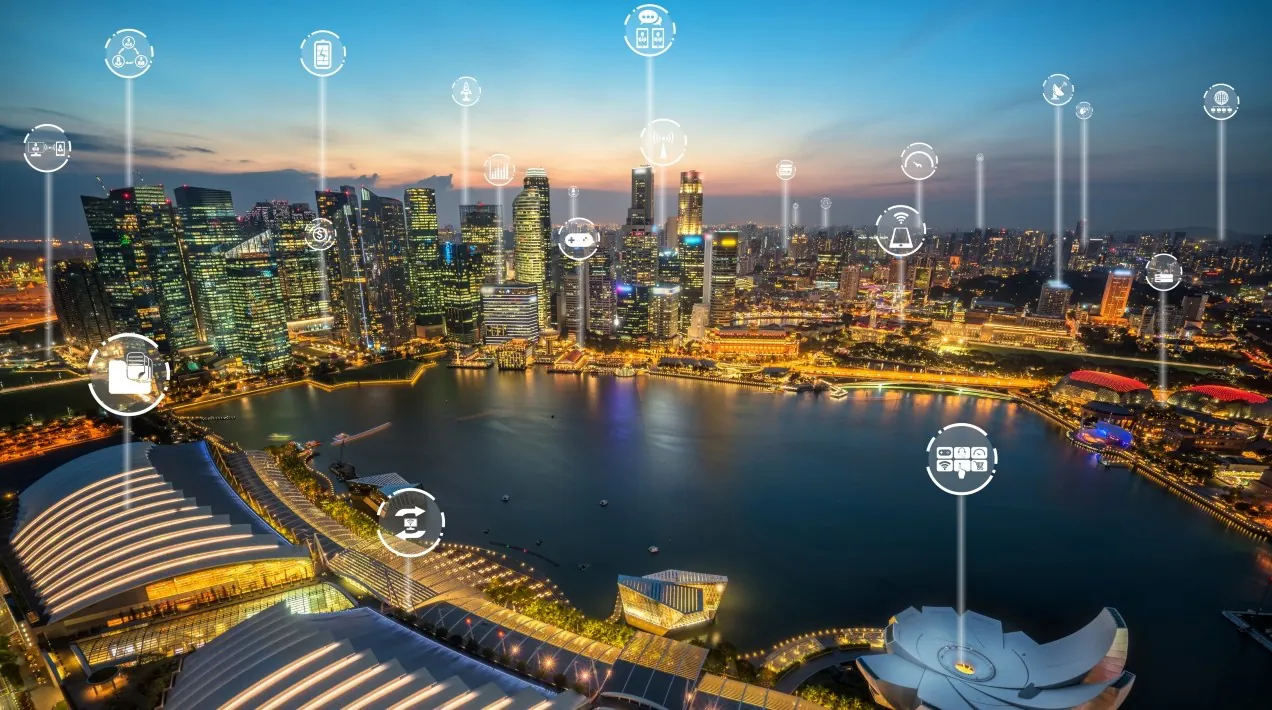
Hong Kong Smart City AI development is expanding as new government-backed innovation programs roll out across the city. These projects aim to improve transport systems, healthcare services, and urban management using advanced artificial intelligence infrastructure.
Officials say the latest phase of development focuses on making city services faster, smarter, and more efficient. By using data-driven systems, the city hopes to reduce delays, improve safety, and enhance daily life for residents.
Transport is one of the main areas of improvement under Hong Kong Smart City AI projects. New AI systems are being used to manage traffic flow in real time. These systems can adjust traffic signals based on congestion levels, helping reduce road delays.
Public transport networks are also being upgraded. AI tools are being introduced to improve scheduling and predict passenger demand. This helps buses and trains run more smoothly and reduces overcrowding during peak hours.
Healthcare is another key focus. Hospitals and clinics are testing AI systems to support patient management. These tools help with appointment scheduling, data analysis, and early detection of health risks. Officials say this can improve service speed and accuracy.
Urban management systems are also being modernized. Smart sensors are being installed across the city to monitor air quality, waste levels, and energy use. This data helps authorities respond faster to environmental and infrastructure issues.
The Hong Kong Smart City AI initiative is supported by strong government investment. Authorities are working closely with tech companies and research institutions to develop these systems. The goal is to build a more connected and efficient urban environment.
Experts say AI plays a central role in the city’s long-term development plan. By using intelligent systems, Hong Kong aims to improve decision-making and reduce manual processes in public services.
Data integration is a major part of the project. Different departments are now sharing information through secure platforms. This allows faster coordination between transport, health, and emergency services.
Smart city technology is also helping with energy management. AI systems can monitor electricity use and suggest ways to reduce waste. This supports sustainability goals and lowers operational costs.
Officials say public safety is also improving. AI-powered surveillance and monitoring tools help detect unusual activity in public areas. This allows faster emergency response when needed.
The Hong Kong Smart City AI program also includes support for innovation and startups. Local tech companies are being encouraged to develop new applications that can be used in public systems. This helps build a stronger digital economy.
International cooperation is another part of the plan. Hong Kong is working with global partners to share knowledge and technology. This helps bring new ideas and best practices into local development.
However, experts also point out challenges. Data privacy, system security, and technology costs remain important concerns. Authorities say strict rules and safeguards are in place to protect user data.
Despite these challenges, progress continues at a steady pace. More pilot projects are expected to launch in the coming months. These will test new AI solutions in real city environments.
Residents are already seeing early benefits. Improved transport flow, faster public services, and better urban monitoring are some of the early results of the program.
The Hong Kong Smart City AI initiative reflects a broader push toward digital transformation. Officials believe that integrating AI into city systems will make Hong Kong more competitive and sustainable in the future.
As development expands, the focus remains on improving quality of life. By combining technology with public services, the city aims to build a more efficient, safe, and modern urban environment for all residents.
