

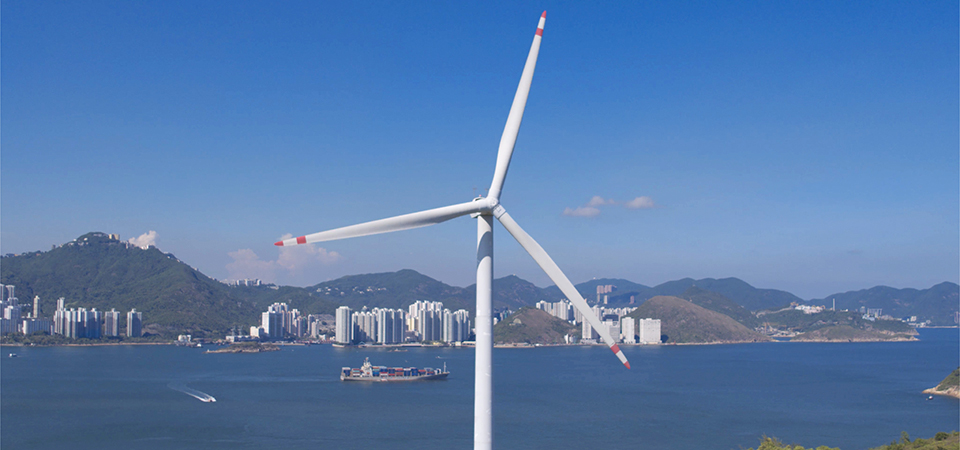
Hong Kong Green Energy Expansion is accelerating as new rooftop solar installations and energy-efficient building programs roll out across urban districts. These initiatives are part of the city’s wider push to reduce emissions and improve long-term energy efficiency.
Authorities and developers are introducing more solar panels on residential and commercial rooftops. These systems allow buildings to generate part of their own electricity, reducing reliance on traditional power sources.
The move is a key step in Hong Kong Green Energy Expansion, as the city works toward cleaner and more sustainable urban development. Officials say the goal is to lower carbon emissions while also cutting long-term energy costs for households and businesses.
Energy-efficient building programs are also being expanded. New construction guidelines encourage the use of better insulation, smart lighting systems, and advanced cooling technologies. These upgrades help reduce overall electricity consumption.
Existing buildings are also being upgraded. Property owners are adding energy-saving systems such as LED lighting, smart meters, and improved ventilation. These changes help reduce waste and improve efficiency.
Rooftop solar projects are gaining attention in both public and private sectors. Schools, office buildings, and residential complexes are increasingly adopting solar technology. This helps diversify energy sources and improve sustainability.
Experts say Hong Kong Green Energy Expansion is important for the city’s long-term environmental goals. With limited land and high energy demand, improving efficiency is seen as a practical solution.
Government support has played a major role in driving adoption. Incentive programs and policy support are encouraging more property owners to invest in green energy systems. These measures are helping reduce initial installation costs.
Developers are also responding to growing demand for sustainable buildings. Many new projects now include energy-efficient designs as a standard feature. This reflects a shift in the construction industry toward greener practices.
Environmental experts say these changes will have long-term benefits. Lower energy consumption can reduce pressure on the power grid and help stabilize energy prices over time.
The Hong Kong Green Energy Expansion also supports the city’s climate commitments. By increasing renewable energy use, the city aims to reduce its carbon footprint and improve air quality.
Smart technology is also being integrated into buildings. Energy monitoring systems help track usage in real time. This allows users to adjust consumption and reduce waste more effectively.
Businesses are also benefiting from these upgrades. Lower energy costs can improve profitability, especially for energy-intensive industries such as retail and hospitality.
However, experts note that challenges remain. High installation costs and limited rooftop space in some areas can slow down adoption. Public awareness is also an important factor.
Despite these challenges, momentum continues to build. More projects are being approved, and interest in green energy solutions is increasing across sectors.
Community-level initiatives are also emerging. Some housing estates are working together to install shared solar systems, making renewable energy more accessible to residents.
The Hong Kong Green Energy Expansion reflects a broader shift toward sustainable urban living. By combining renewable energy with efficient building design, the city is working to create a cleaner and more cost-effective future.
As these programs continue to grow, Hong Kong is expected to strengthen its position as a leading example of urban sustainability in the region.
