

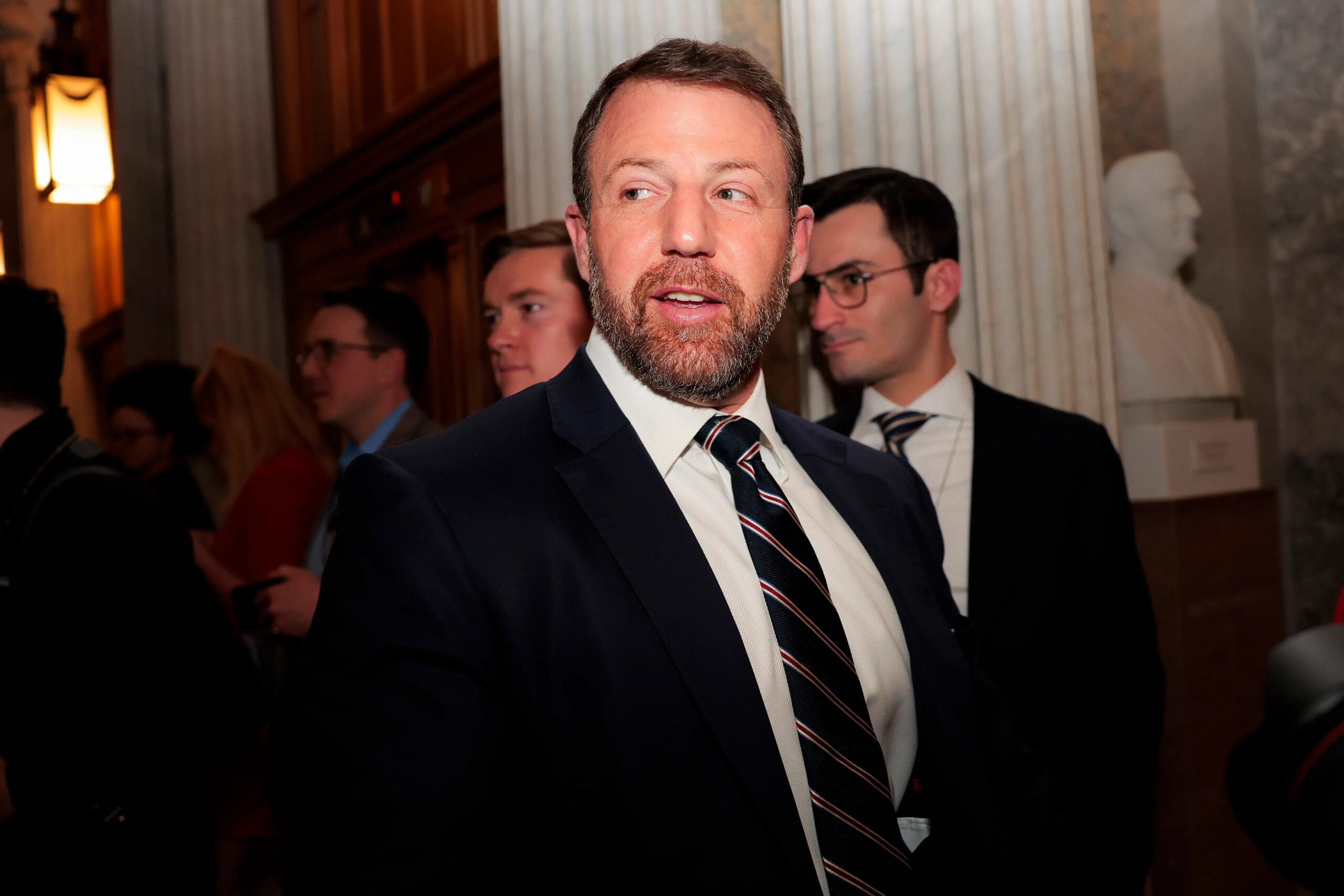
Homeland Security Secretary Markwayne Mullin has defended a plan to livestream the military execution of Nidal Hasan, the former Army psychiatrist convicted in the 2009 Fort Hood shooting. The proposal has faced criticism from lawmakers in both major US political parties.
Mullin said he did not believe broadcasting the execution would increase the risk to national security. He also dismissed concerns that the public broadcast could make Hasan a symbol for extremist groups.
Speaking on CBS News’ “Face the Nation” on Sunday, Mullin said people would not have to watch the execution. He used that point to answer questions about whether showing the event could create further security concerns.
“First of all, no one has to watch it,” Mullin said.
Host Margaret Brennan asked Mullin about warnings from lawmakers who believe the broadcast could increase Hasan’s notoriety. Some critics have argued that livestreaming his death could give him attention and possibly support his wish to be remembered as a martyr.
Mullin said he did not see an increased threat from the proposed plan. He also argued that the government must show that attacks on the United States carry serious consequences.
“I think people need to understand, if you attack America, we will come after you, and we will make sure that the punishment fits the crime,” he said.
Mullin added that he had no sympathy for Hasan. He said he gave no thought to the way the convicted killer would die.
The secretary also pointed to President Donald Trump’s leadership when asked why Defense Secretary Pete Hegseth would consider broadcasting the execution. Mullin said he followed Trump and praised the president’s approach to leading the country.
“I follow President Trump. He’s a commander in chief of the country, and he does a phenomenal job,” Mullin said.
His comments came after Republican Sen. Lisa Murkowski of Alaska called on Hegseth to reverse the decision. In a social media post on Friday, Murkowski said there was no need to livestream any execution, including Hasan’s.
She warned that broadcasting the event could help increase Hasan’s public profile and give him the attention that supporters of extremist causes might use. Murkowski also questioned whether such a practice was suitable for the United States.
Republican Sen. Kevin Cramer of North Dakota has also expressed concern. He warned that a public broadcast could potentially encourage radicalization.
The criticism shows that opposition to the plan extends beyond Democrats. Some Republicans have questioned whether livestreaming the execution would provide any public benefit while raising the risk of turning Hasan into a symbol for violent groups.
Trump has not announced a final decision on whether the broadcast will proceed. Speaking to reporters on Saturday, he said he would “make a decision ultimately” about the livestream. He has also said he “absolutely” approves of Hasan’s execution.
Hasan carried out the Fort Hood attack on November 5, 2009. He was serving as an Army psychiatrist when he opened fire at the Texas military base. Thirteen people died, and more than 30 others were wounded.
A military court convicted Hasan in 2013 of 45 counts of premeditated and attempted murder. He was sentenced to death for the attack.
His execution is scheduled for December 3. If it takes place as planned, it will be the first US military execution in more than six decades.
The proposed livestream has raised questions about how the government should handle the execution of a person convicted of a mass killing. It has also focused attention on the possible effects of showing such an event to a wide audience.
Supporters of the proposal may argue that it sends a clear message about the consequences of attacking Americans. Opponents say the broadcast could give Hasan greater attention and create a platform for extremist messages.
The final decision remains with Trump. Until he makes that decision, the plan continues to face scrutiny from lawmakers who disagree over whether a livestream would serve a useful purpose or create unnecessary security concerns.
