

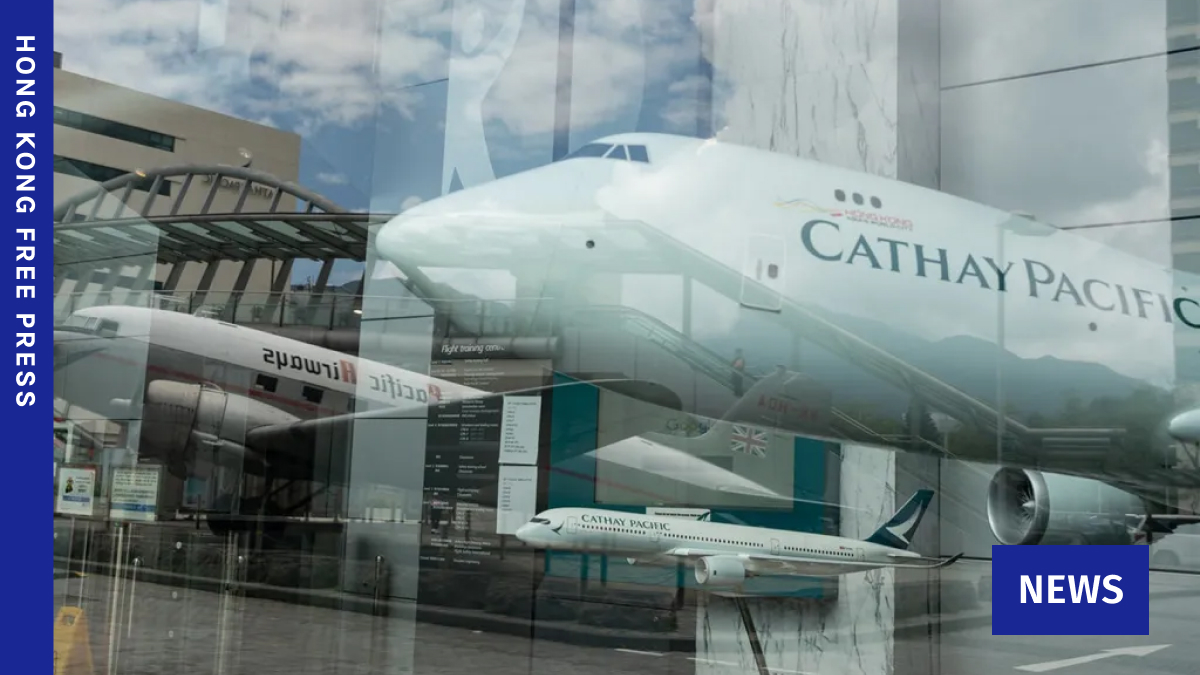
Hong Kong-based carriers Cathay Pacific and its budget subsidiary HK Express are set to significantly reduce their flight schedules from mid-May through June. This decision stems from what the airlines describe as “huge cost pressure” directly linked to the surging global jet fuel prices, exacerbated by the ongoing conflict in the Middle East. Cathay Pacific will see approximately 2 per cent of its flights cancelled between May 16 and June 30, primarily affecting regional routes, along with some services to Australia, South Asia, and South Africa.
HK Express, meanwhile, will implement a larger reduction, axing around 6 per cent of its flights from May 11 to June 30. Both airlines emphasized that this move to cut capacity was a last resort after attempting other measures to mitigate the rising operational costs. The carriers had previously adjusted fuel surcharges, with Cathay raising fees by 34 per cent on April 1, following an earlier doubling, and HK Express also hiking surcharges on most routes excluding mainland China. Despite these efforts, the escalating fuel expenses proved unsustainable for current flight volumes.
The Middle East conflict, specifically citing Israeli-US attacks on Iran on February 28, has been identified as the primary catalyst for the dramatic increase in oil prices. Cathay Pacific referenced data from the International Air Transport Association (IATA), indicating that the global average jet fuel price nearly doubled in a short period, soaring from US$99.40 per barrel in late February to US$209 per barrel by early April. This sharp rise has placed unprecedented financial strain on airlines worldwide, forcing difficult operational adjustments.
Passengers affected by these cancellations will be offered alternative flights within 24 hours of their original scheduled departure times, according to Cathay Pacific. In addition to the flight reductions, Cathay also announced the extension of its suspension of Dubai and Riyadh flights until at least June 30, further highlighting the widespread impact of the geopolitical situation on aviation logistics and costs. The airlines aim to manage economic challenges while minimizing disruption where possible.
