

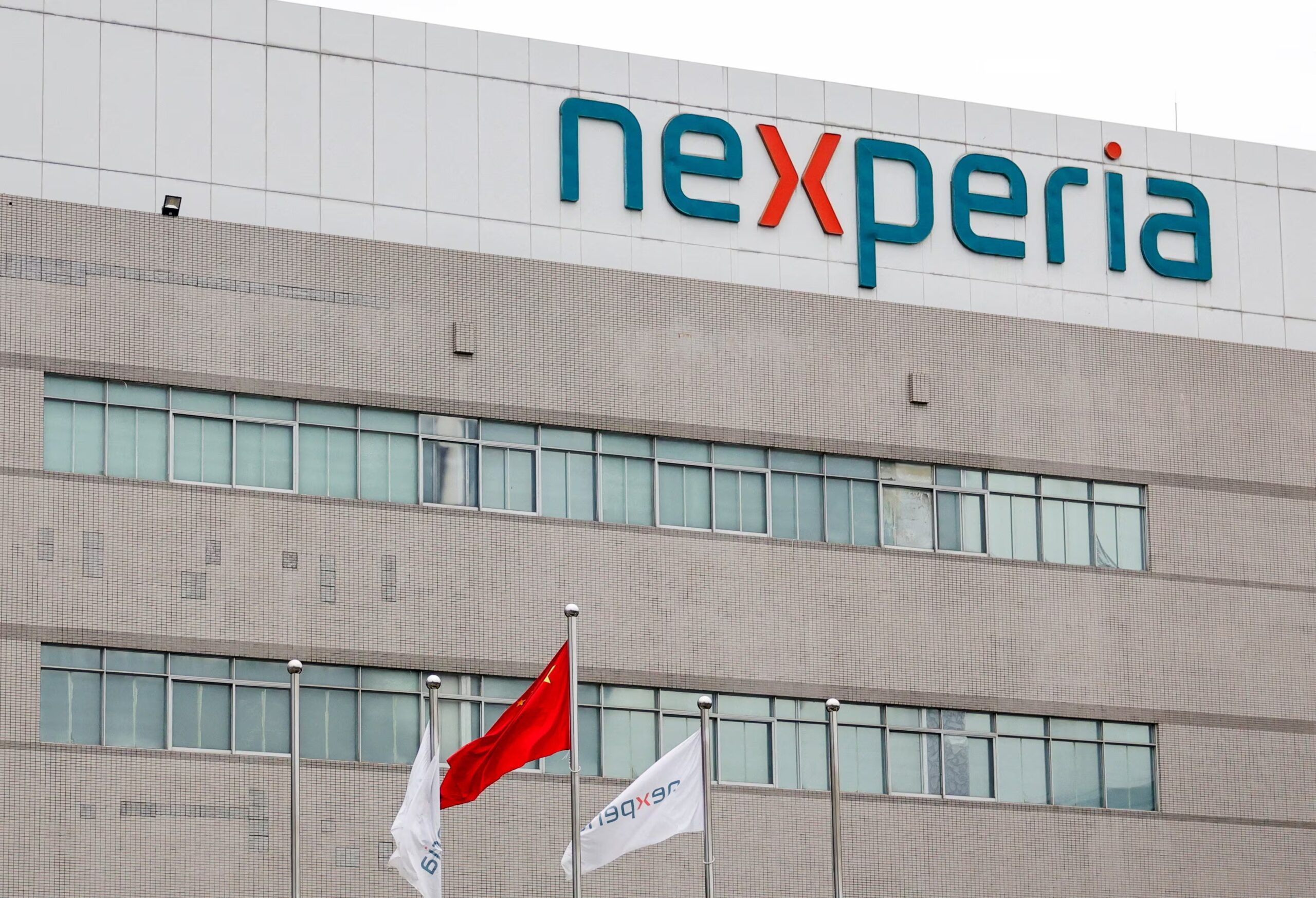
A Chinese court has ordered the freezing of assets worth up to 2.14 billion yuan, or about $300 million, linked to Dutch semiconductor company Nexperia and its equipment division. The move marks a significant development in an ongoing ownership dispute involving Chinese electronics group Wingtech Technology.
The court action follows a lawsuit filed by Wingtech, which previously controlled Nexperia before losing influence over the company after intervention by Dutch authorities. The dispute has become one of the most closely watched corporate conflicts in the global semiconductor industry.
According to company disclosures, the Dongguan Intermediate People’s Court ordered the asset freeze as part of legal proceedings initiated by Wingtech. The measures affect several China-based businesses connected to Nexperia and are expected to remain in place until August 2029.
Wingtech said the court order covers Nexperia’s interests in four operations located in China. These include semiconductor-related businesses in the cities of Wuxi and Shanghai, as well as a wholly owned unit connected to the company’s equipment operations.
The measures were implemented between August 20 and August 25. While the assets have been frozen, the broader legal case has not yet reached trial.
Nexperia responded by stating that the court action does not affect daily business activities. The company said operations, management and business continuity remain unchanged despite the restrictions.
Company representatives also noted that the court has not yet ruled on the substance of the dispute. As a result, the legal claims made by the parties remain under review.
The conflict began last year when Dutch authorities intervened in the governance of Nexperia. Officials cited concerns that technology, financial resources and production assets could potentially be transferred outside the country.
Following that intervention, a Dutch business court suspended the company’s chief executive and placed voting rights associated with Wingtech’s shareholding under independent management.
The decision significantly reduced Wingtech’s influence over the company. Although the Chinese group remained linked to Nexperia through its ownership interests, it no longer exercised the same level of control over corporate decisions.
The dispute soon expanded beyond corporate governance issues and became a matter of broader international concern. Relations between China and the Netherlands faced increased pressure as both sides monitored developments involving the semiconductor manufacturer.
Semiconductors are critical components used in a wide range of products, including automobiles, consumer electronics, industrial equipment and communication systems. Because of their importance, any disruption affecting major chip producers can attract global attention.
Following the Dutch measures, China introduced export controls that affected Nexperia’s operations within the country. The restrictions disrupted shipments and raised concerns about supply chains connected to the semiconductor sector.
Subsequent discussions between officials from both countries helped ease some of those tensions. China later agreed to allow supplies to resume, while Dutch authorities suspended certain actions that had contributed to the dispute.
Despite those developments, the core ownership conflict remained unresolved.
Wingtech has continued efforts to regain influence over the company. In May, it filed legal action against Nexperia and three executives. The company alleged that the defendants were involved in what it described as discriminatory restrictions imposed through Dutch actions.
As part of the lawsuit, Wingtech is seeking approximately 8 billion yuan in damages. The company argues that the measures caused significant harm to its interests and corporate rights.
The latest court order gives Wingtech additional leverage while legal proceedings continue. However, industry observers note that the asset freeze does not change control of the company or settle the broader questions surrounding ownership and governance.
The semiconductor industry has become increasingly sensitive to regulatory decisions and geopolitical tensions. Governments around the world have placed greater focus on supply chains, technology security and domestic manufacturing capabilities.
Nexperia remains an important producer of chips used across multiple industries. The company operates facilities and business units in several countries and plays a role in supplying components for manufacturers worldwide.
For now, the court-ordered freeze represents another chapter in a dispute that continues to draw attention from business leaders, policymakers and industry analysts. With the case still awaiting trial, both sides are expected to continue pursuing legal and corporate strategies aimed at protecting their interests.
The outcome could have implications not only for the companies involved but also for international business relations and the future management of cross-border technology investments.
