

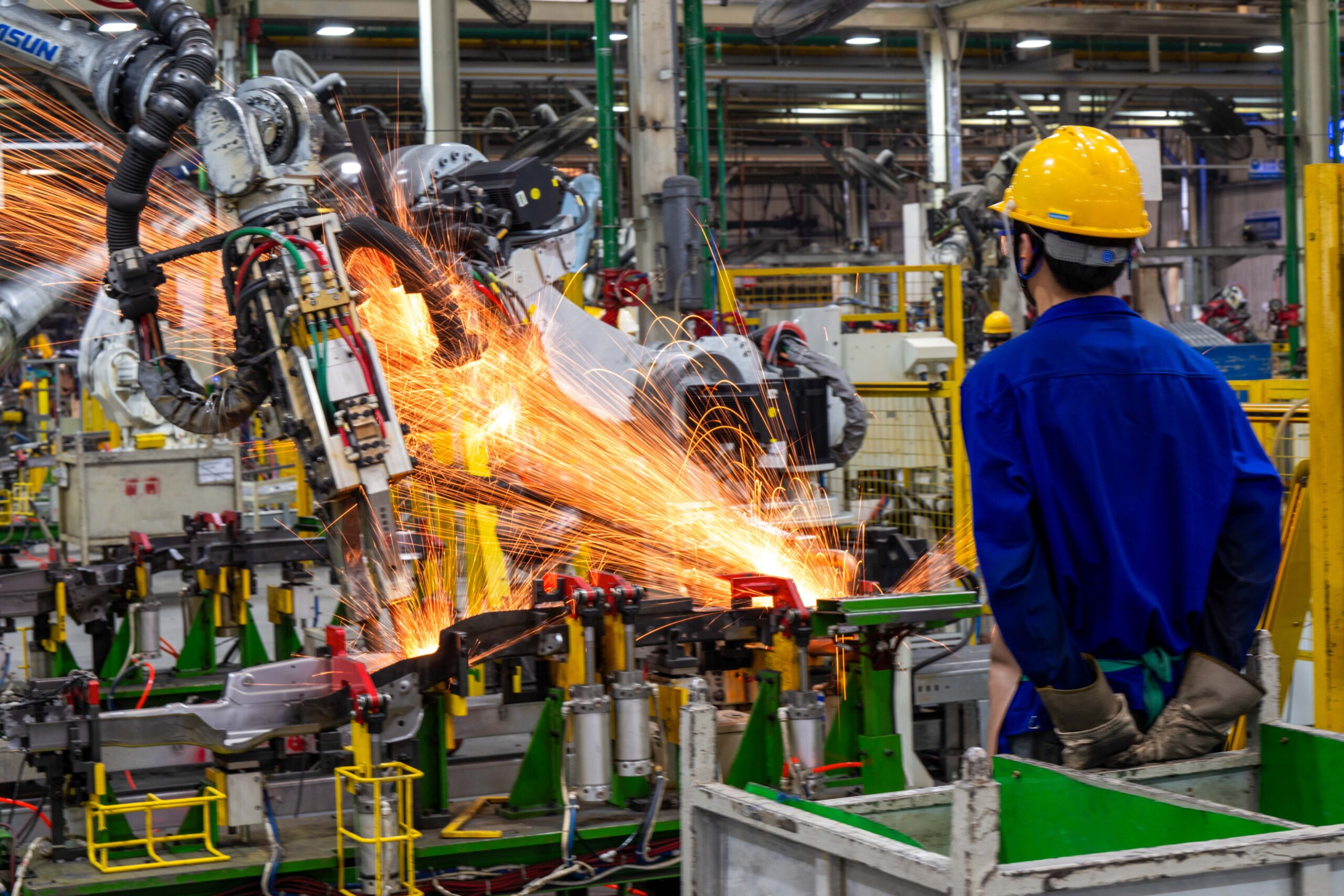
China Manufacturing Activity remained in contraction territory in August for the second consecutive month, but the decline was less severe than economists had expected, offering some signs of stability as policymakers work to support slowing economic growth.
Official data released on Monday showed that China’s manufacturing purchasing managers’ index rose to 49.8 in August from 49.2 in July. Although the reading remained below the 50-point mark that separates expansion from contraction, it exceeded market expectations and suggested that conditions in the factory sector improved slightly.
The latest figures come as China faces increasing economic challenges. Growth has slowed in recent months due to weak consumer demand, a prolonged downturn in the property market, and softer investment activity.
Economic growth weakened to 4.3 percent in the second quarter, marking the slowest pace since late 2022. Analysts say several sectors of the economy continue to face pressure despite government efforts to stimulate activity.
Consumer spending has remained subdued, while investment in urban areas has declined. Employment conditions have also become more challenging, contributing to concerns about the strength of domestic demand.
July data showed slower growth in both retail sales and industrial output. Industrial profits also expanded at their weakest pace of the year, reflecting ongoing difficulties for manufacturers and businesses.
Despite these challenges, exports have continued to provide important support for the economy.
Strong overseas demand for technology-related products has helped Chinese exporters maintain growth throughout much of the year. Increased global spending on artificial intelligence infrastructure and technology equipment has boosted demand for products manufactured in China.
Export shipments recorded solid growth during most of the year and have helped offset weakness in other parts of the economy.
The August manufacturing report contained several positive signs.
Both production and new orders returned to expansion territory during the month. The production index rose to 50.4, while the new orders index increased to 50.6.
The improvement suggests that factory activity and customer demand strengthened compared with the previous month.
Export demand also showed signs of recovery.
The new export orders index climbed above the 50-point threshold, indicating growing demand from overseas markets. This improvement came despite continued uncertainty in parts of the global economy.
However, not all indicators pointed to stronger conditions.
Measures tracking employment and raw material inventories remained below the expansion level, suggesting that many manufacturers are still cautious about hiring and inventory growth.
The performance of different industries also varied.
High-technology manufacturing continued to outperform the broader industrial sector. Companies producing electronic equipment, machinery, and communication devices reported stronger growth in production and new orders.
In contrast, consumer goods manufacturing remained weaker and continued to lag behind other industrial segments.
Economists believe recent policy support measures may help improve economic conditions in the coming months.
Local governments are expected to increase spending on infrastructure and development projects as authorities seek to strengthen growth and encourage investment.
Analysts say additional fiscal support could help boost economic activity later this year, particularly during the final quarter.
Some experts also noted that businesses appear to be preparing for stronger demand as government spending accelerates.
Another area of improvement involved factory prices.
Price-related indicators showed signs of recovery during August, partly due to higher global prices for commodities such as oil and metals. Rising input costs provided some support for manufacturers in upstream industries.
At the same time, analysts cautioned that underlying demand remains relatively weak, meaning price gains may not fully reflect stronger economic conditions.
Outside manufacturing, activity in services and construction remained subdued.
The non-manufacturing index stayed below the expansion threshold, while construction activity weakened slightly during the month. Several service sectors, including wholesale and retail trade, also experienced slower activity.
As China enters the final months of the year, policymakers are expected to closely monitor economic performance and consider additional support measures if necessary.
For now, the latest data suggest that China Manufacturing Activity remains under pressure but is showing early signs of stabilization. While challenges persist, improving production, stronger orders, and resilient exports offer cautious optimism for the country’s economic outlook in the months ahead.
