

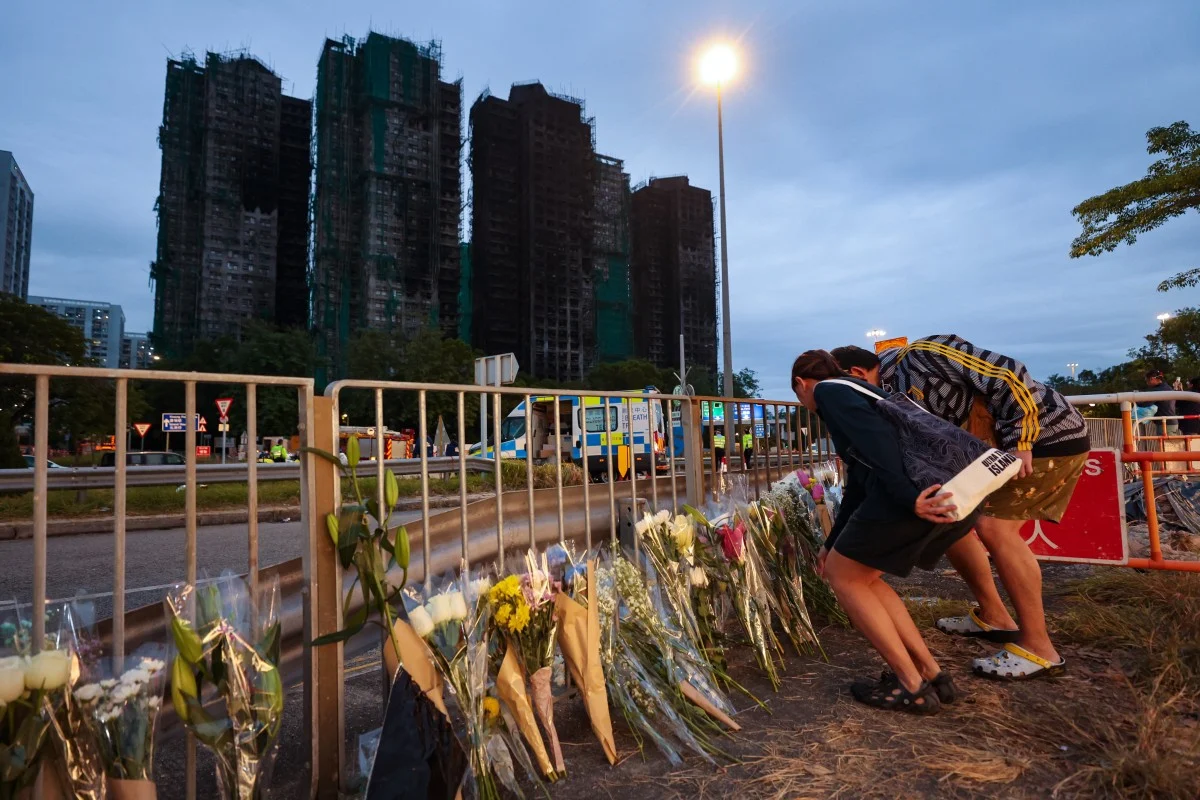
Hong Kong authorities are preparing major reforms after the investigation into the city’s deadliest fire in decades. The government is expected to introduce changes to fire safety rules, property management laws, and construction practices following the deadly blaze at Wang Fuk Court in Tai Po.
The fire, which happened on November 26 last year, caused widespread shock across Hong Kong. The disaster affected seven of the eight residential blocks at Wang Fuk Court, resulting in 168 deaths and forcing nearly 5,000 residents to leave their homes.
The investigation into the tragedy is nearing its conclusion. Officials are expected to consider a wide range of reforms after the committee submits its final report. The report was originally expected earlier, but sources said it would be delayed by about one month until late October because more time is needed to review documents and evidence.
Among the expected changes is a move to criminalise bid-rigging in certain areas of public and private projects. Authorities are also expected to review existing fire safety regulations and strengthen rules related to property management.
The planned reforms aim to prevent similar disasters in the future and improve accountability across industries involved in building maintenance and safety work. Officials are examining whether current systems provide enough protection for residents living in high-rise buildings.
The Tai Po fire raised concerns about construction materials, building maintenance procedures, and oversight responsibilities. The tragedy also led to public questions about whether stronger checks could have reduced the impact of the disaster.
Political observers believe the release of the inquiry report may also bring pressure on senior officials to take responsibility. Some lawmakers and members of the public have called for accountability from government departments involved in housing, safety inspections, and regulation.
The government has not announced any final decisions on individual responsibilities. However, expectations remain high that the inquiry findings will lead to significant changes within public agencies and related sectors.
The reforms are expected to cover several areas, including fire prevention standards, management responsibilities for residential buildings, and monitoring systems for major construction and renovation projects.
Property management has become a key focus after the blaze because many older residential buildings in Hong Kong depend on multiple parties to maintain safety equipment and complete repair work. Experts have said clearer responsibilities and stronger enforcement may be needed.
Authorities are also expected to review how contractors are selected and monitored. The possible introduction of stricter rules against unfair bidding practices reflects concerns about transparency and quality control in building-related projects.
The Wang Fuk Court tragedy remains one of the most serious disasters in Hong Kong’s recent history. The loss of lives and displacement of thousands of residents created strong public demand for improvements in building safety and emergency response.
Officials have said lessons from the investigation will guide future policies. The government aims to create stronger safety standards while ensuring that residents have greater confidence in the protection of their homes.
As the inquiry moves toward its final stage, attention is now focused on the recommendations and the government’s response. The upcoming reforms could mark one of the biggest changes to Hong Kong’s fire safety and property management systems in years.
