

China’s economy is expected to grow slightly faster in the third quarter of 2026, supported by strong exports, rising demand for high-tech goods and new government measures. However, weak domestic spending and falling investment may limit the recovery.
Gross domestic product is forecast to grow 4.4% year on year between July and September, according to a survey of economists. That would be an improvement from 4.3% in the second quarter, when growth hit its lowest level in more than three years.
The forecast remains below the 4.6% estimate made in July. It would also fall below the lower end of China’s official full-year growth target of 4.5% to 5%.
The figures are due to be released on Monday. They will offer a clearer view of the world’s second-largest economy as Beijing tries to maintain growth amid trade tensions and uneven demand at home.
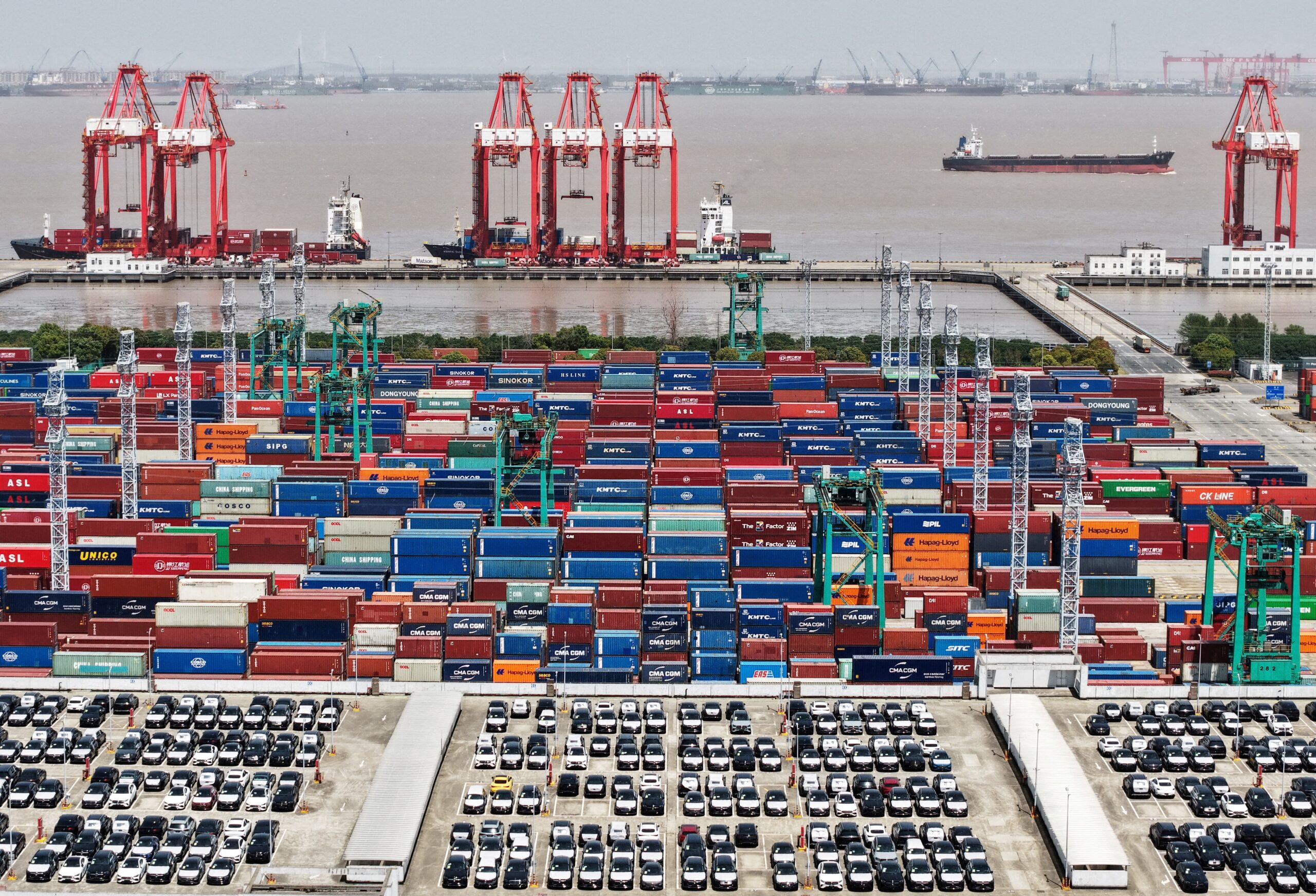
China has relied heavily on exports to support its economy this year. Demand for technology products has helped factories and exporters, while government support has offered some relief to businesses.
However, economists warn that export-led growth may not be enough to sustain the economy. Investment in artificial intelligence-related sectors is showing signs of cooling, while trade disputes with the European Union are adding pressure.
China’s economic strategy has also created a gap between strong industrial activity and weaker household demand. Authorities have shifted more credit and resources away from the property sector and toward high-tech industries.
This has helped support manufacturing and exports, but consumer spending and private investment remain weak. The property market has also weighed on confidence, leaving policymakers under pressure to find more ways to support growth.
Zhou Hao, chief economist at Guotai Junan International, said recent data pointed to stronger economic momentum toward the end of the third quarter. He cited resilient exports, a recovery in manufacturing and the early effects of government policy support.
Factory surveys have offered some signs of improvement. China’s official manufacturing purchasing managers’ index returned to growth in September after two months of contraction. A private survey also showed manufacturing activity rising at its fastest pace in five months.
On a quarter-on-quarter basis, China’s economy is expected to grow 1.1% in the third quarter. That would be faster than the 0.9% increase recorded in the second quarter.
Exports remain a major source of support. China’s trade surplus widened more than expected in September as overseas shipments increased sharply. The country is now on course to exceed last year’s record trade surplus of $1.2 trillion.
The growing surplus could increase tensions with major trading partners, particularly as governments raise concerns about the effect of Chinese exports on their own industries.
A recent understanding between China and the European Union on hybrid-vehicle trade could also affect the country’s expanding car exports. The agreement aims to keep talks going over wider disputes linked to Chinese vehicle shipments.
Other economic data due alongside the GDP figures may show a mixed picture. Industrial output growth is forecast to rise to 5.5% in September from 5.2% in August. Retail sales growth is expected to edge up to 0.6% from 0.4%.
Investment remains a concern. Fixed-asset investment for the first nine months of the year is projected to fall 7.3%, compared with a 7.2% decline in the January-August period.
The weak investment figures suggest that businesses and local authorities remain cautious despite government efforts to support activity.
Beijing has introduced several measures to strengthen the economy. In late September, officials announced targeted interest-rate cuts and mortgage subsidies. The steps followed promises by the cabinet to take stronger action to support growth and meet the annual target.
Authorities also allocated 550 billion yuan, or about $82 billion, in unused government debt quotas earlier this month. The funds are intended to ease financial pressure on local governments and help support infrastructure spending.
Economists say further action may be needed if domestic demand fails to improve. Measures to support jobs, raise household incomes and encourage consumer spending could help make growth less dependent on exports.
Lynn Song, ING’s chief Greater China economist, said policymakers had room to introduce more support. If economic momentum remains weak toward the end of the year, the government could consider additional fiscal spending and broader monetary easing.
Economists expect growth to reach 4.5% in the fourth quarter, bringing full-year growth to around 4.5%. The pace is then forecast to ease to 4.4% in 2027.
China’s expected third-quarter improvement would offer some relief to policymakers, but the wider outlook remains uncertain. Strong exports and better factory activity are supporting growth, while weak spending and investment continue to hold it back.
The key challenge for Beijing will be to turn the export-driven recovery into stronger domestic demand. Further policy support may be needed to keep growth on track and reduce the economy’s reliance on overseas markets.
