

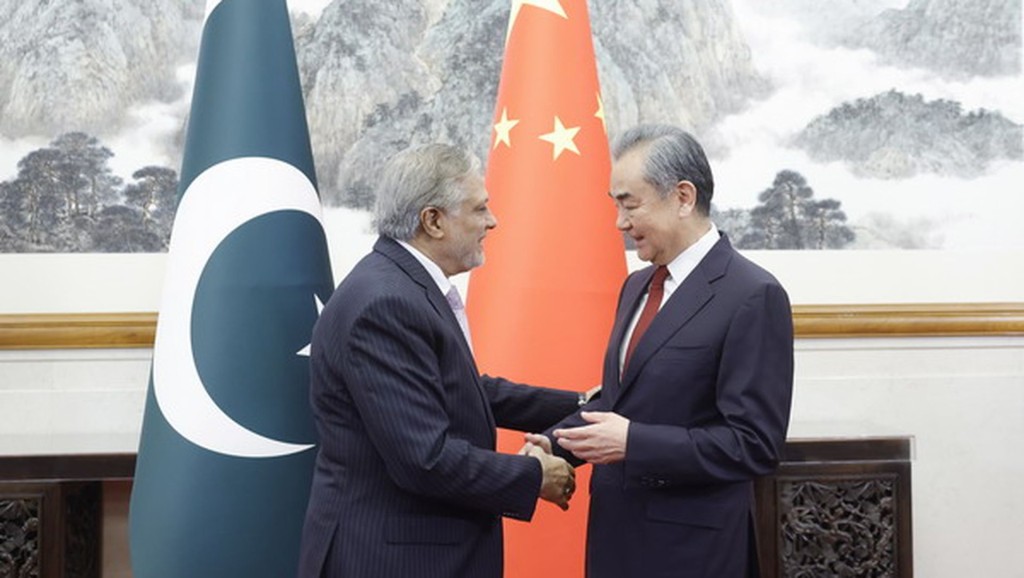
China Saudi Strategic Ties are strengthening after Chinese President Xi Jinping held a strategic phone call with Saudi Crown Prince Mohammed bin Salman. The two leaders discussed regional peace, secure maritime trade routes, and deeper diplomatic coordination between China and Saudi Arabia.
The talks come at a time of rising global concern over stability in key Middle East shipping corridors. Both sides emphasized the importance of keeping international sea routes open and safe for commercial trade. This includes major energy shipping lanes that are vital to global supply chains.
During the call, President Xi highlighted the need for peaceful solutions to regional tensions. He stressed that stability in the Middle East is essential not only for regional countries but also for global economic security.
Saudi Arabia and China agreed on the importance of continued communication. Both leaders expressed support for stronger coordination on diplomatic and economic matters. This reflects growing trust between the two countries in recent years.
China Saudi Strategic Ties have expanded steadily across trade, energy, and infrastructure sectors. Saudi Arabia remains one of China’s key energy suppliers, while China is a major trading partner and investor in Saudi development projects.
Maritime security was a central topic in the discussion. The leaders noted that safe shipping routes are critical for global energy transport. Any disruption could affect oil markets, trade flows, and international economic stability.
Xi Jinping also reiterated China’s position on maintaining open global trade routes. He emphasized that freedom of navigation is essential for international commerce and long-term economic growth.
The Saudi Crown Prince reportedly agreed on the importance of protecting maritime trade. Both sides expressed willingness to work together on improving regional security and preventing disruptions to shipping lanes.
China Saudi Strategic Ties also include cooperation under broader international frameworks. Both countries have worked together in multilateral organizations to promote economic development and energy cooperation.
Analysts say the call reflects a wider shift in China’s Middle East diplomacy. Beijing is increasingly positioning itself as a mediator and stability-focused partner in the region. This approach prioritizes economic cooperation and conflict prevention.
Saudi Arabia, meanwhile, continues to expand its global partnerships as part of its long-term economic transformation plans. Stronger ties with China support its goals of diversifying international relations and attracting investment.
Energy cooperation remains a key pillar of the relationship. Saudi Arabia is one of the world’s largest oil exporters, and China is one of its largest buyers. Stable relations help ensure consistent energy supply and price stability.
Experts also point out that infrastructure and investment projects are growing areas of cooperation. Chinese companies are involved in various development initiatives in Saudi Arabia, including construction and technology sectors.
The call also reflects shared concerns over global economic uncertainty. Both countries are interested in maintaining stable trade conditions and protecting supply chains from geopolitical risks.
China Saudi Strategic Ties are expected to continue expanding as both nations deepen engagement on regional and global issues. Future cooperation may include energy transition projects, technology exchange, and expanded trade agreements.
Despite global tensions in other regions, both sides appear focused on maintaining steady and predictable relations. This approach supports broader efforts to strengthen economic resilience and regional stability.
The latest diplomatic exchange highlights the growing importance of China–Saudi relations in shaping Middle East geopolitics and global energy security.
