

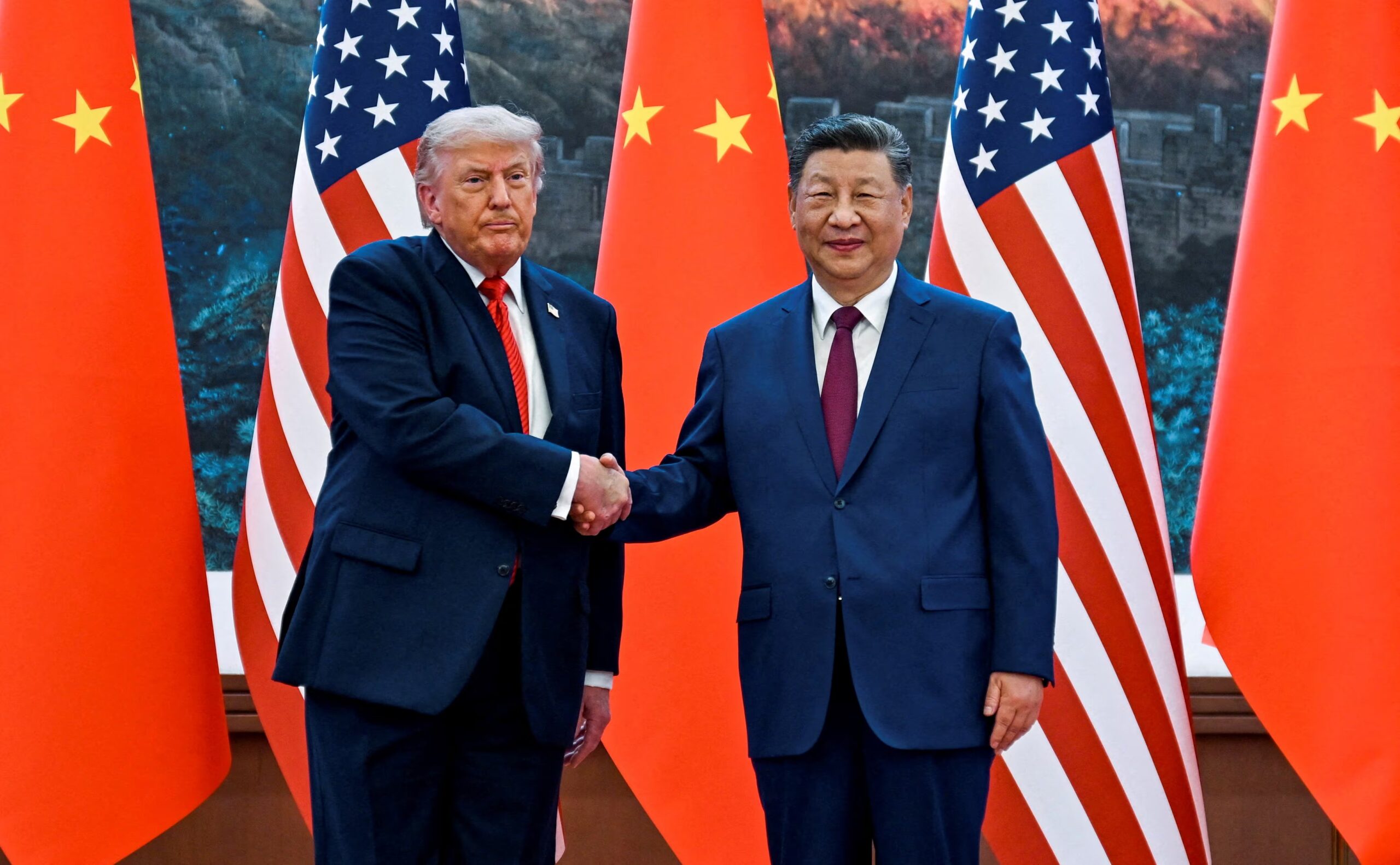
Chinese President Xi Jinping and US President Donald Trump are set to meet in Washington this week, with analysts closely watching whether the two leaders can maintain stability in the world’s most important economic relationship.
The summit on September 24 will be the first face-to-face meeting between the leaders in four months. During that period, both countries have experienced significant political and economic developments that have reshaped expectations ahead of the talks.
Analysts say the meeting is likely to focus heavily on trade relations and the future of a trade truce reached last year that helped prevent a broader economic confrontation between the two largest economies in the world.
Since the leaders last met, China has continued to expand its global trade presence despite economic challenges at home. Meanwhile, Trump has faced political pressures linked to domestic issues and international conflicts, factors that observers say could influence the tone of the discussions.
Experts believe neither side is expected to pursue dramatic breakthroughs during the summit. Instead, the focus may be on preserving stability and avoiding new tensions that could disrupt global markets.
According to analysts, Beijing appears interested in extending existing arrangements that have reduced trade friction while allowing China additional time to strengthen its economy and international position.
Jon Czin, a foreign policy expert at the Brookings Institution and former China director at the US National Security Council, said Xi’s primary objective may be maintaining the current understanding between the two countries rather than seeking major concessions.
The White House has also signaled modest expectations for the summit. Senior officials have emphasized practical discussions rather than large-scale agreements.
Ahead of the meeting, US Treasury Secretary Scott Bessent and Chinese Vice Premier He Lifeng held preparatory talks in New York. The discussions reportedly focused on trade issues and potential cooperation involving artificial intelligence safeguards and commerce in products considered less sensitive from a national security perspective.
The limited scope of those talks reflects a different reality from the beginning of Trump’s current term. When he returned to office in 2025, the president pledged to use tariffs aggressively to reduce what he described as an unfair trade imbalance with China.
Since reaching a trade truce with Xi later that year, however, the administration’s attention has increasingly been divided among other international challenges.
Conflicts involving Iran and Ukraine, along with disputes involving European allies, have competed for Washington’s focus and resources. Analysts say these developments have reduced the administration’s ability to concentrate exclusively on economic competition with China.
China has also faced internal economic difficulties. Slower consumer spending and a prolonged property sector downturn have weighed on growth.
Despite those challenges, Chinese exports have remained strong. Economists increasingly refer to the trend as “China Shock 2.0,” reflecting the country’s continued ability to expand exports across global markets.
China’s trade surplus is projected to exceed $1 trillion for a second consecutive year, highlighting the strength of its export sector despite ongoing economic pressures.
Although US measures targeting low-cost shipments from online retailers have affected some trade flows, Chinese exports to the United States remain resilient. Data show that more than half of the product categories China exports to the US have recorded growth compared with the previous year.
Xi is also expected to be accompanied by a delegation of Chinese business leaders during his visit to Washington. Some of those companies are seeking greater access to the US market while facing regulatory scrutiny from American authorities.
Scott Kennedy, an expert on US-China economic relations at the Center for Strategic and International Studies, said expectations that heavy pressure alone would force major Chinese concessions have not been realized.
While issues such as Taiwan, technology competition and security concerns may arise during the summit, analysts expect trade and economic stability to dominate the agenda.
Global investors and business leaders will closely monitor the outcome of the Xi Trump summit meeting for signs of future policy direction. Any indication that the trade truce will continue could help reduce uncertainty in international markets and support economic stability between the world’s two largest economies.
