

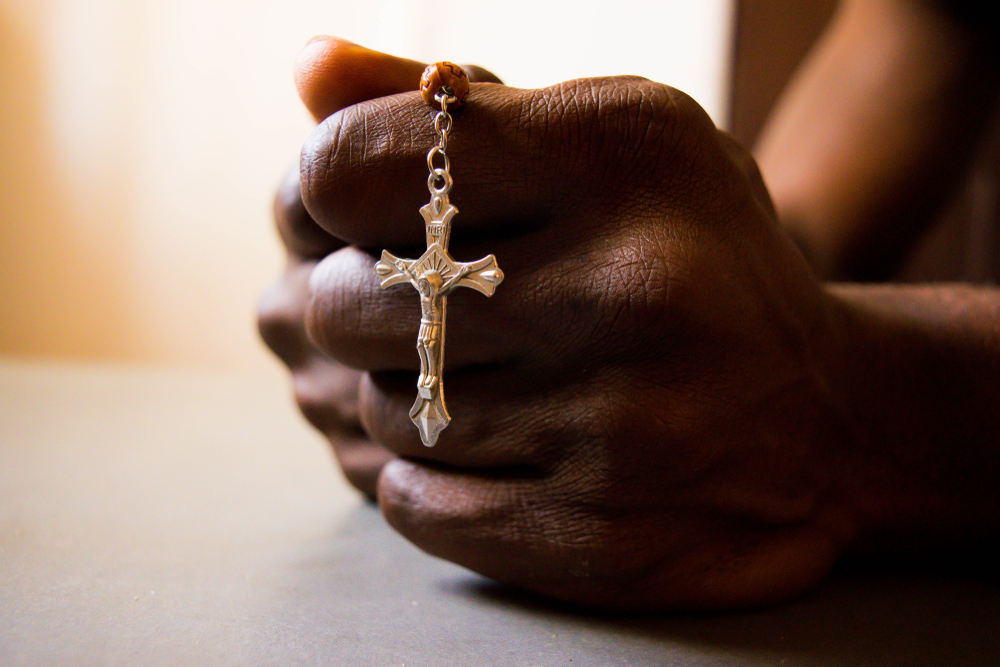
Tensions in Nigeria surged after U.S. President Donald Trump threatened military action over alleged Christian persecution. On Sunday, Nigerians awoke to reports that Trump had instructed the Pentagon to prepare intervention plans. He warned that if Nigeria failed to protect Christians, the U.S. would halt aid and “go in guns-a-blazing” to eliminate Islamist terrorists.
Trump posted, “I am directing our Department of War to prepare for possible action. If we attack, it will be fast, vicious, and sweet, just like the terrorists strike our cherished Christians.” The comments ignited fierce debate across Nigeria, already struggling with insecurity and sectarian violence.
Tinubu Urges Dialogue, Rejects External Interference
President Bola Ahmed Tinubu quickly responded, offering to meet Trump to discuss counterterrorism and security cooperation. He emphasized that any collaboration must respect Nigeria’s sovereignty. Tinubu later wrote on X that labeling Nigeria as religiously intolerant “does not reflect reality.”
Presidential spokesperson Daniel Bwala described Trump’s remarks as a possible “negotiating tactic.” He stressed that both countries already cooperate through intelligence sharing and weapons procurement to combat Islamist insurgents. Amnesty International recently reported over 10,000 deaths in jihadist attacks since Tinubu took office, underscoring the depth of Nigeria’s ongoing security crisis.
Conflict Rooted in Religion, Politics, and Resources
Nigeria, home to about 220 million people split almost evenly between Christians and Muslims, faces complex conflicts. Boko Haram and other armed groups attack both faiths, though Christian advocates argue their communities suffer targeted persecution. Reverend Ezekiel Dachomo insists a “massacre is ongoing” and accuses the government of denial.
Human rights groups, including Open Doors and International Christian Concern, estimate more than 7,000 Christians were killed in 2025. Trump’s remarks came shortly after U.S. Senator Ted Cruz urged Congress to label Nigeria a violator of religious freedom.
While some Nigerians like broadcaster Cyril Abaku support U.S. involvement, others suspect ulterior motives. Analysts note that Nigeria’s vast deposits of lithium, nickel, cobalt, and other rare earth minerals—critical for defense and renewable energy—may attract American interest.
Human rights activist Omoyele Sowore rejected the idea of foreign intervention. “Nigeria doesn’t need a saviour from abroad,” he said. “It needs honest leadership that protects citizens, enforces justice, and ends corruption.”
The U.S. once listed Nigeria as a “country of particular concern” for religious freedom violations in 2020, though it never specified attacks against Christians. Trump’s threats have now reignited old tensions—and fresh fears of a geopolitical struggle over faith, power, and natural wealth.
