

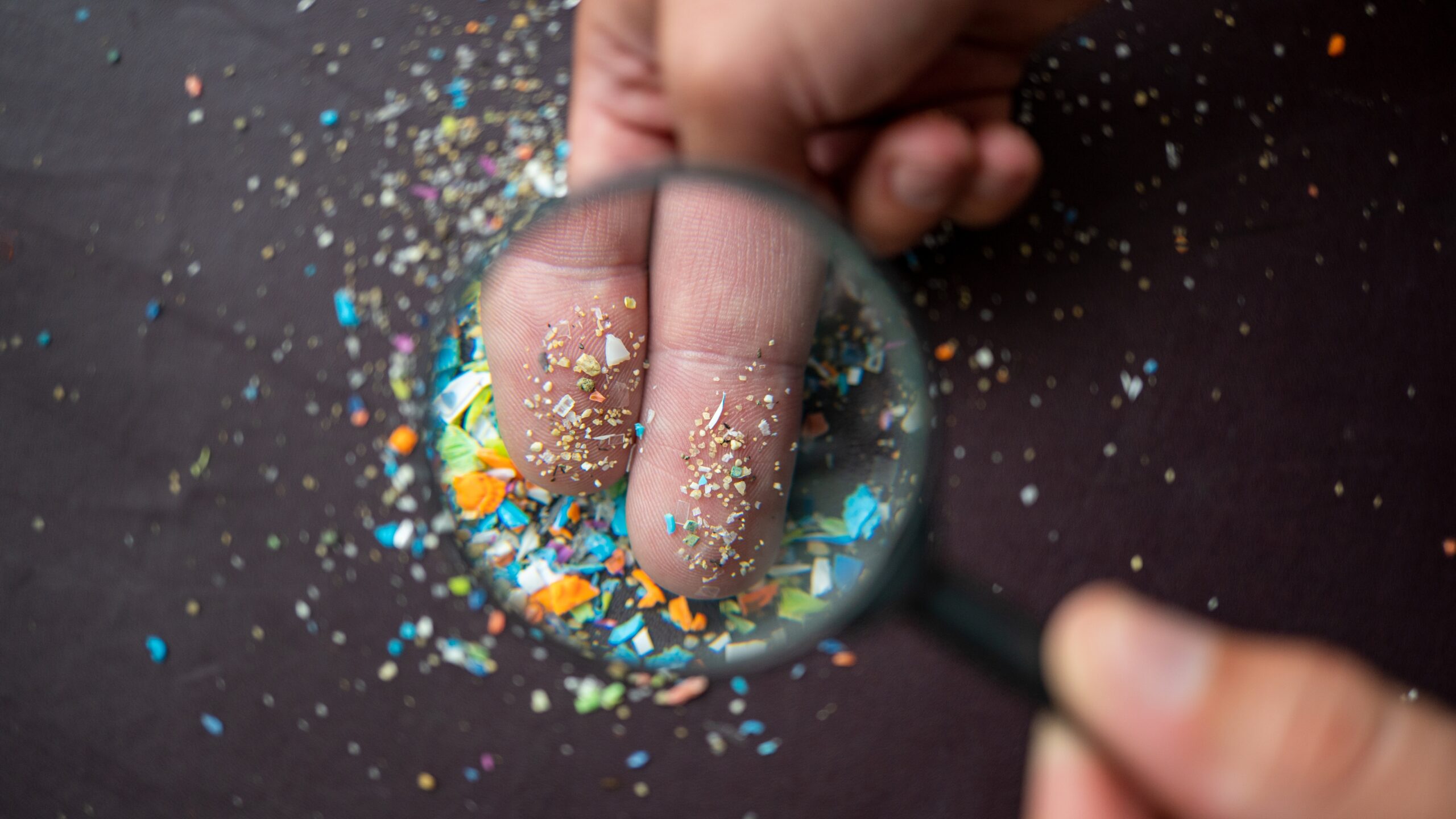
Microplastics are no longer just in oceans or packaging — they’re inside us. Scientists have now detected them in human blood, lungs, placentas, and even the brain. One study estimated we may each carry about five grams of plastic in our bodies — roughly a teaspoon.
Dr Christian Pacher-Deutsch of the University of Graz found that exposing human gut bacteria to microplastics changes the microbes and their chemistry, echoing patterns linked to depression and cancer. “It’s too early for firm conclusions,” he said, “but the microbiome affects everything from digestion to mental health.”
These tiny fragments, shed from packaging, clothes, tyres, and paints, can cross into our organs and cells. Neuroscientist Dr Jaime Ross from the University of Rhode Island said, “We’re exposed constantly. Plastics show up in almost every tissue studied.”
Ross’s lab found that mice drinking microplastic-tainted water acted strangely — venturing into open spaces and showing brain protein losses similar to dementia. Human studies now link microplastics in arteries to higher risks of heart attacks and strokes.
When a consumer blood test detected 40 plastic particles per millilitre in one sample — equal to about 200,000 pieces circulating in the body — researchers stressed that no “safe” level is known. Prof Stephanie Wright of Imperial College London warned, “We don’t yet know what these numbers mean, what kind of plastic they are, or what they’re doing.”
Plastics vary widely by shape, size, and composition. Smaller fragments can cross biological barriers more easily. Some may prove more toxic than others.
Early evidence suggests genetic differences might also influence vulnerability: mice carrying Alzheimer’s-related genes suffered worse cognitive decline after plastic exposure.
Researchers say reducing exposure is the best current defense. Avoid heating food in plastic, use glass or stainless steel, choose natural fibres, drink tap rather than bottled water, and avoid cosmetics with plastic ingredients.
“Minimising exposure is likely to help,” said Wright. “Historically, too many particles of anything have never been good for us.”
Even if the full picture remains unclear, one thing is: the plastic age has entered our bodies — and there’s no easy way to get it out.
