

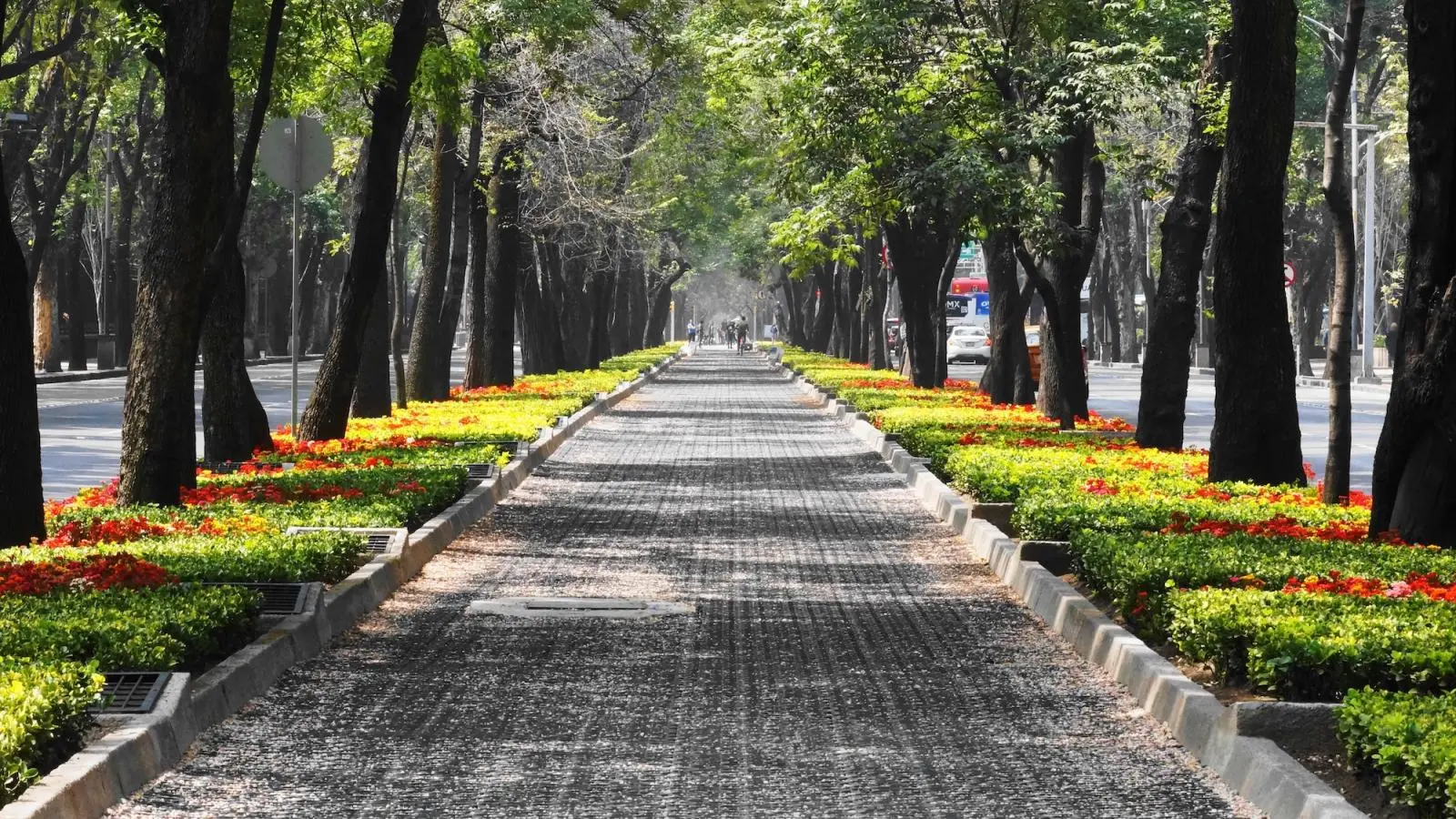
US Urban Forest Programs are growing fast in major US cities. New York, Los Angeles, and Chicago are leading this change. These cities are planting more trees in streets, parks, and neighborhoods. The goal is to cool down hot urban areas and improve daily life.
Experts say urban forests help reduce heat island effects in big cities. These heat islands make city areas much hotter than nearby rural land. Trees give shade and lower surface temperatures. This helps people feel more comfortable during hot summers.
More trees also improve air quality by reducing dust and pollution. Cleaner air can support better health for people living in cities. Doctors say better air may reduce breathing problems. This is important in crowded urban areas.
Local governments say these programs also support biodiversity in urban spaces. Birds, insects, and small animals get more habitats from new green areas. This helps restore natural balance inside cities. It also makes urban areas more alive and green.
In New York, tree planting has expanded in many busy districts. Chicago is adding green corridors to connect parks and streets. These corridors help create continuous green paths across the city. They also make walking and cycling more pleasant.
Los Angeles is focusing on shade trees to fight extreme heat. These trees help lower temperatures on sidewalks and public spaces. This reduces heat stress for people during summer days. It also helps improve outdoor activity in the city.
Urban planners say green projects improve mental well-being for residents. People feel more relaxed when they live near trees and parks. Studies show nature can reduce stress and improve mood. This makes cities healthier places to live.
Funding comes from city budgets, private groups, and climate programs. Community volunteers also help plant and care for new trees. Public involvement makes these programs stronger and more successful. It also builds awareness about environmental care.
Experts warn that maintenance is important for long-term success of these programs. Without care, young trees may not survive in harsh city conditions. Watering and protection are needed in early years. Cities must plan long-term support for growth.
Climate change makes urban greening even more important for future cities. Hotter summers increase the need for shade and cooler environments. Trees help cities adapt to rising temperatures. They act as natural cooling systems in urban areas.
Researchers say urban forests can also reduce energy use in buildings. Shaded areas lower air conditioning demand during hot summer days. This helps reduce electricity costs for households and businesses. It also lowers pressure on power grids.
Cities plan to expand these programs further in the coming years. The goal is to build healthier and more livable urban spaces. Officials see trees as key infrastructure for future city design. Urban forests are becoming a core part of city planning.
Urban forest programs are not new, but recent funding has increased their speed across major cities. Officials say public support for green projects is stronger than before. More people now see trees as part of city health and safety.
Studies show that neighborhoods with more trees often report lower stress levels. They also show better social interaction among residents in shared public spaces. Green areas help bring communities together in daily life.
Many cities are now using satellite data to track tree cover growth. This helps planners decide where new trees are most needed. It also improves planning for future green expansion.
Water supply and soil quality are important for healthy urban trees. Cities must manage these resources carefully to keep trees alive. Good planning ensures long-term survival of planted trees.
Some cities face challenges with limited space for planting new trees. In dense areas, planners use small parks and roadside planting instead. Creative solutions help increase green space even in crowded zones.
Climate experts say urban forests are part of long-term climate adaptation plans. They help cities handle heat waves and extreme weather events better. This makes cities more resilient over time.
Schools are also joining tree planting programs in many districts. Students learn about nature and climate change through hands-on activities. This builds early awareness about environmental protection.
Private companies are investing in green projects as part of sustainability goals. These investments support both environmental and social responsibility targets. It also helps expand funding for city programs.
City leaders believe urban forests will play a key role in future planning. They see green space as essential infrastructure, like roads and water systems. This shows how important trees have become in modern cities.
