

A Chinese social media influencer has come under intense public scrutiny after a claimed donation of 1 million yuan (about US$150,000) for flood relief efforts was allegedly found to be false.
The controversy emerged after internet users questioned a donation receipt shared online by a RedNote influencer known as Anlan. The post claimed that the influencer had donated 1 million yuan to support recovery efforts in the Guangxi Zhuang Autonomous Region, which has suffered severe flooding following months of typhoon-driven rainfall.
The incident has sparked widespread debate across Chinese social media platforms about transparency, online credibility, and the legal consequences of falsely claiming charitable donations.
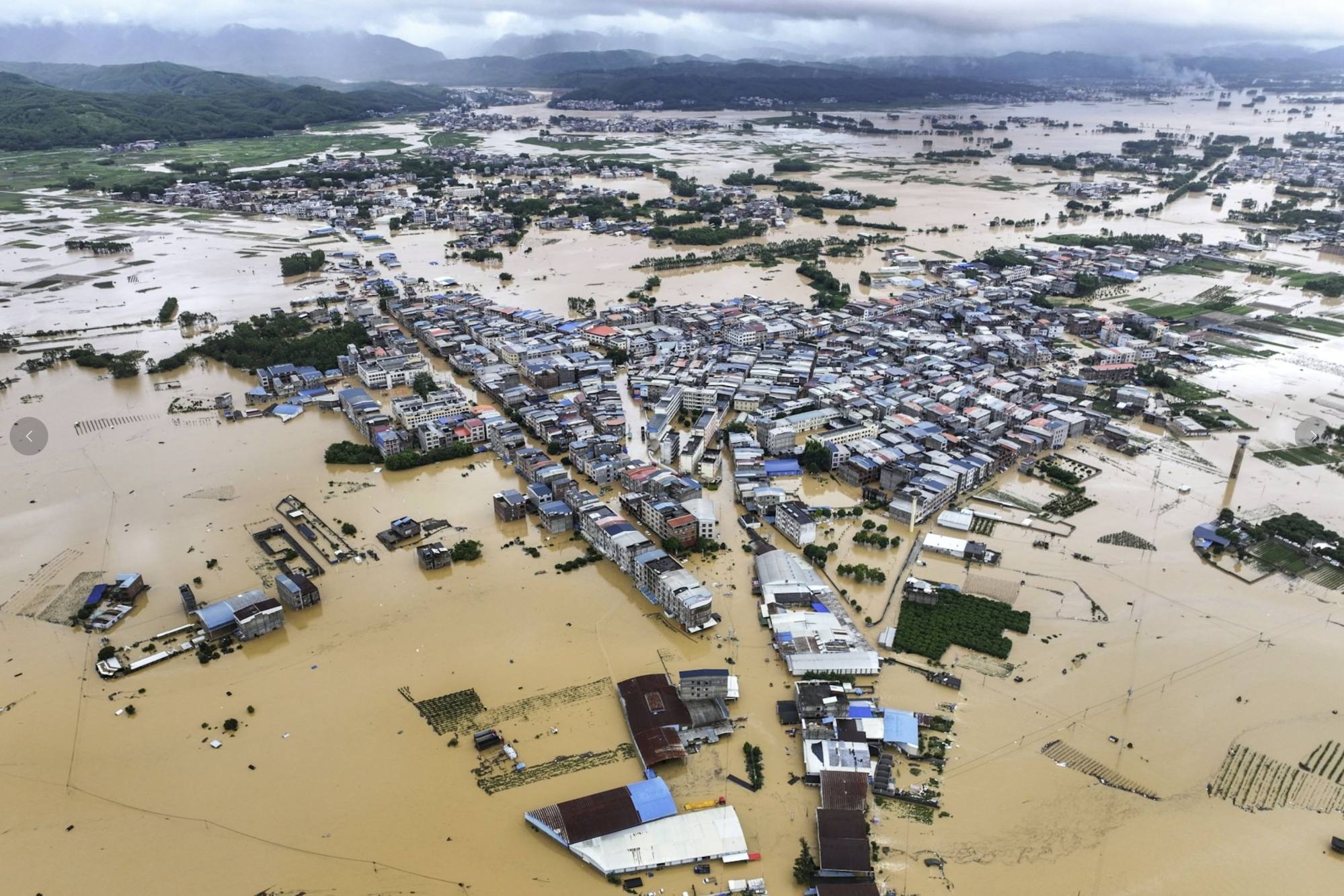
Guangxi has experienced devastating weather conditions since July. Heavy rains and flooding caused significant destruction across the region and resulted in the deaths of 159 people, according to local reports.
Against that backdrop, Anlan published a post on social media showing what appeared to be a donation receipt dated July 17. The image allegedly showed a transfer of 1 million yuan to the Guangxi Red Cross.
The influencer accompanied the image with a brief message expressing support for post-disaster reconstruction efforts.
The post quickly attracted widespread attention. Thousands of users praised the gesture and applauded what appeared to be a major charitable contribution during a time of crisis.
As public interest grew, Anlan’s account gained more than 31,000 followers within a matter of days. Many online users described the donation as an example of social responsibility and generosity.
However, questions soon emerged about the authenticity of the donation record.
On September 7, social media users began sharing screenshots and raising doubts about whether the payment had actually been made. The allegations quickly spread across online discussion platforms and comment sections.
The Guangxi Red Cross later confirmed that it had reviewed its records after receiving inquiries about the claim.
According to the organization, it did not receive any single personal donation of 1 million yuan on July 17, the date shown in the online screenshot.
Officials stated that records from that day showed several donations of one yuan, equivalent to about 15 US cents. The charity noted that one donor’s first name matched the name displayed in the screenshot shared by Anlan.
However, the bank account information connected to those donations did not match the details presented in the influencer’s post.
As a result, the organization said it could not verify that Anlan was responsible for any of the one-yuan donations.
The Guangxi Red Cross also emphasized that donation records are publicly available through its official website, allowing contributions to be independently verified.
Following the growing controversy, RedNote suspended Anlan’s account.
The influencer has not publicly responded to the allegations or requests for comment regarding the authenticity of the donation claim.
The incident has renewed attention on the responsibilities of public figures and content creators when discussing charitable contributions online.
Legal experts have warned that falsely claiming donations or fabricating donation records may carry legal consequences.
Ma Junzhe, a lawyer with Guangdong Zheqing Law Firm, said public donation commitments can create legal obligations under certain circumstances. He noted that donation pledges may be enforceable through legal action if they are presented as genuine commitments.
The case has also prompted comparisons with previous disputes involving charitable promises.
One notable example occurred in 2023 when Chinese entrepreneur Wu You faced legal action after failing to fulfill an 11 million yuan donation pledge made to his former university. The court later classified him as a dishonest debtor and imposed restrictions on high-value spending.
Observers say the latest controversy highlights growing public demand for accountability in the digital age.
As social media influencers gain larger audiences and greater influence, claims involving charitable activities often receive significant public attention. Experts argue that transparency is essential to maintaining trust between creators and their followers.
The Guangxi Red Cross said it continues to monitor the situation but has not provided additional comments.
For now, the case remains a reminder that charitable claims can be quickly scrutinized and that public recognition for acts of generosity increasingly depends on verifiable evidence rather than online appearances alone.
