

A Hong Kong court has ordered the confiscation of more than HK$674,000 linked to defendants in a major terrorism-related trial tied to the 2019 anti-government protests.
The High Court ruled that the funds were associated with plans to support violent actions against police officers. The case is connected to a group known as the “Dragon Slaying Brigade,” which prosecutors said was involved in plotting attacks during the unrest.
The court found that the money seized from three defendants amounted to “terrorist property” under the United Nations (Anti-Terrorism Measures) Ordinance. This marks the first time such an order has been issued under the law since it was introduced in 2002.
The confiscated amount totals approximately HK$674,860, equivalent to about US$86,000. Authorities said the funds were raised to support activities linked to the alleged plot.
The defendants involved in the case include group leader Wong Chun-keung, alleged mastermind Ng Chi-hung, and co-defendant Lau Pui-ying.
Court records show that the three individuals did not object to the confiscation order and were not present during the hearing when the ruling was made.
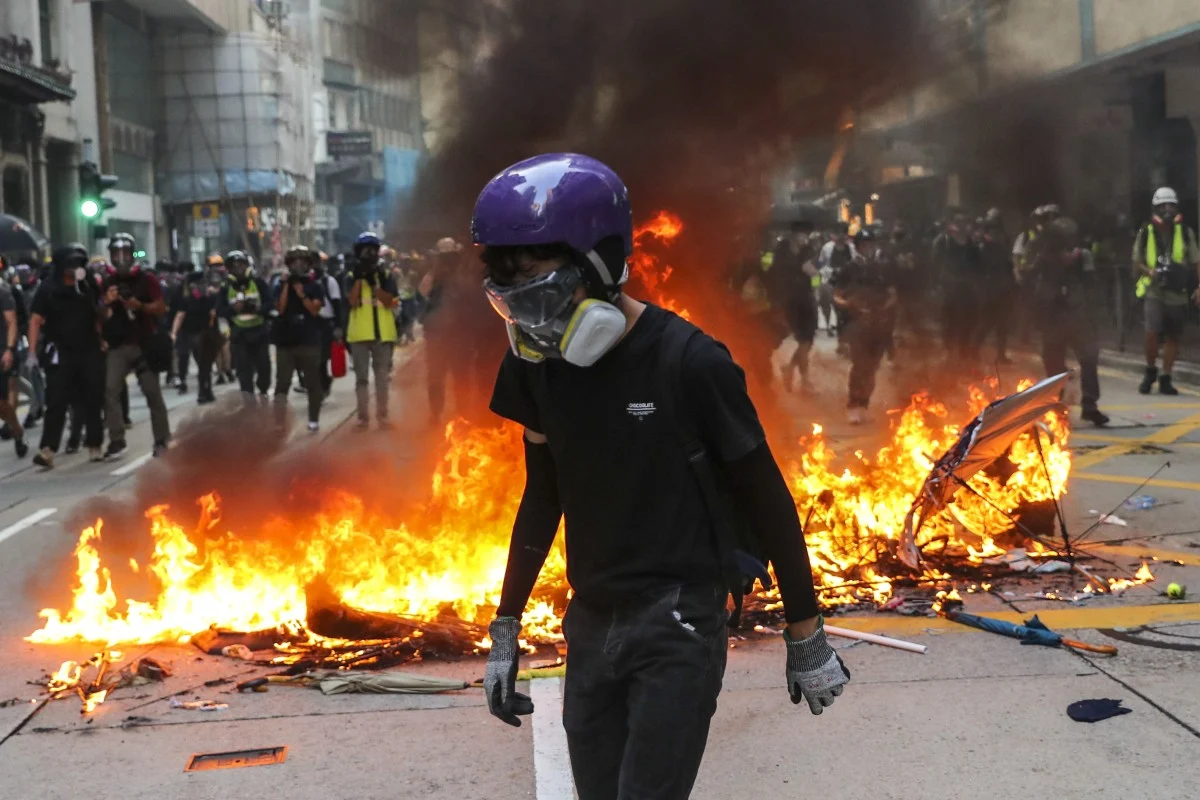
The case stems from investigations into violent incidents during the 2019 anti-government protests in Hong Kong, a period marked by widespread demonstrations and clashes between protesters and police.
Prosecutors argued that the group had raised funds specifically to support a planned attack targeting law enforcement officers. The court accepted that the money was connected to these alleged activities.
The United Nations (Anti-Terrorism Measures) Ordinance allows authorities to seize assets linked to terrorism-related activities. Legal experts say this ruling reinforces how the law can be applied to financial assets in national security cases.
The “Dragon Slaying Brigade” case has been closely watched due to its connection to broader security concerns in Hong Kong following the 2019 protests. The ruling is considered significant because it represents the first confirmed confiscation under this specific legal framework.
Authorities have increased enforcement actions in cases related to national security and public order since the protests. Courts have handled a range of cases involving alleged violent planning, funding networks, and protest-related offenses.
Legal analysts say asset confiscation cases like this are intended to prevent the use of financial resources for unlawful activities. However, they also note that such rulings are likely to remain controversial given the political context surrounding the 2019 protests.
The court’s decision adds another layer to ongoing legal proceedings connected to the protest period, which continues to influence Hong Kong’s political and legal environment.
Officials have not indicated whether further confiscation orders will be pursued in related cases, but enforcement of anti-terrorism provisions is expected to continue in similar investigations.
The ruling highlights how financial investigations are being used alongside criminal trials to address alleged national security threats in Hong Kong.
