

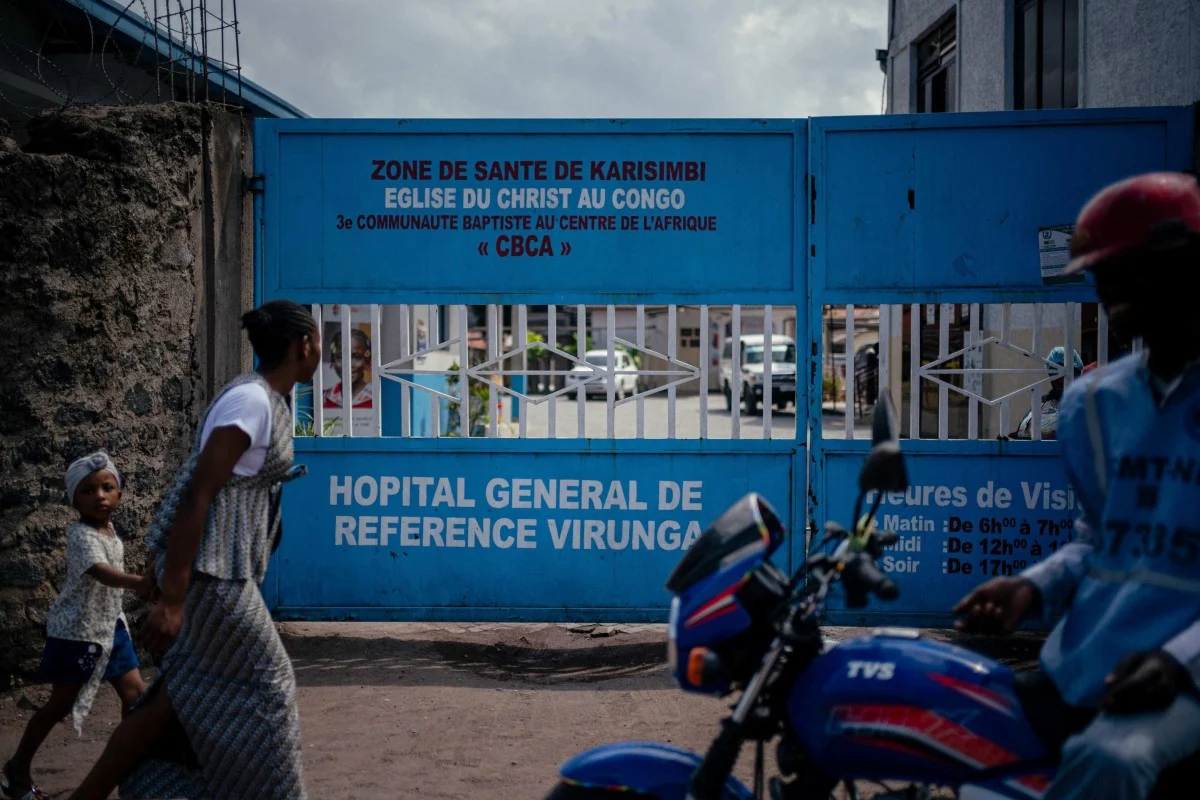
Health experts in Hong Kong are urging authorities to increase safety measures and issue a travel warning as Ebola cases continue to spread in parts of central Africa.
The concerns focus on outbreaks in Democratic Republic of the Congo and Uganda. Medical experts fear the situation could become worse if stronger controls are not introduced quickly.
Dr Joseph Tsang Kay-yan, a council member of the Hong Kong Society of Infectious Diseases, called on authorities to issue a travel alert to warn residents against visiting affected areas.
He made the comments on Monday after the World Health Organization declared the Ebola outbreak a public health emergency of international concern.
The declaration is used when health officials believe a disease outbreak could spread across borders and requires urgent international action.
Following the WHO announcement, Hong Kong authorities increased health screening measures for incoming passengers at the airport. Officials are paying close attention to travelers arriving from regions linked to the outbreak.
Dr Tsang said stronger preventive action would help lower risks for travelers and the wider public. He warned that Ebola is a dangerous disease with a high death rate and can spread through direct contact with infected bodily fluids.
Another expert, Dr Wilson Lam, who serves as president of the infectious diseases society, also advised residents to avoid travel to the affected regions.
However, he said there was no need for panic in Hong Kong at this stage. He explained that the risk of a major local outbreak remains low because Hong Kong has strong health systems and monitoring procedures.
Ebola is a severe viral illness that can cause fever, vomiting, bleeding, and organ failure in serious cases. The disease has caused deadly outbreaks in Africa in the past, including the major West Africa epidemic between 2014 and 2016.
Health officials around the world often move quickly when Ebola cases appear because the disease can spread rapidly in areas with weak healthcare systems.
Experts say early detection, isolation, and contact tracing are key tools in stopping outbreaks from growing.
Hong Kong authorities are now closely monitoring international developments. Airport screening measures may include temperature checks, travel history reviews, and health assessments for passengers arriving from higher-risk locations.
Medical experts also urged residents to stay informed about travel advice before making overseas trips. Travelers returning from affected areas are encouraged to seek medical help immediately if they develop symptoms such as fever or weakness.
The WHO’s emergency declaration is expected to increase international cooperation and support for countries dealing with the outbreak. Aid groups and public health agencies are working to contain the spread and improve treatment efforts in affected communities.
Uganda and the DR Congo have both experienced Ebola outbreaks in past years. Health systems in the region have often faced challenges due to limited resources and cross-border movement.
Global health authorities remain concerned that rising infections could place extra pressure on local hospitals and increase the risk of international spread if the outbreak is not controlled.
Despite the warnings, experts in Hong Kong stressed that the public should remain calm and follow official health guidance. Doctors said awareness and prevention are the best ways to reduce risks.
The latest health alert shows how quickly infectious diseases can become international concerns in a connected world. Officials in many countries are now increasing monitoring efforts as they watch the Ebola situation closely.
