

The collapse of China Evergrande Group has taken another major turn. Liquidators for the failed property giant are now seeking 57 billion yuan, or about US$8.4 billion, from three entities linked to PricewaterhouseCoopers in a Hong Kong court case.
The lawsuit is one of the biggest corporate claims ever seen in Hong Kong. It focuses on audit work connected to Evergrande before the company collapsed under massive debt.
The liquidators handling Evergrande’s winding-up process are Tiffany Wong and Eddie Middleton from Alvarez & Marsal. They told the High Court that PwC entities should share responsibility for audits linked to the company’s accounting scandal.
The claim targets PwC International, PwC Hong Kong, and PwC China together. Lawyers for the liquidators argued that PwC International acted as the global coordinating body for the audit work.
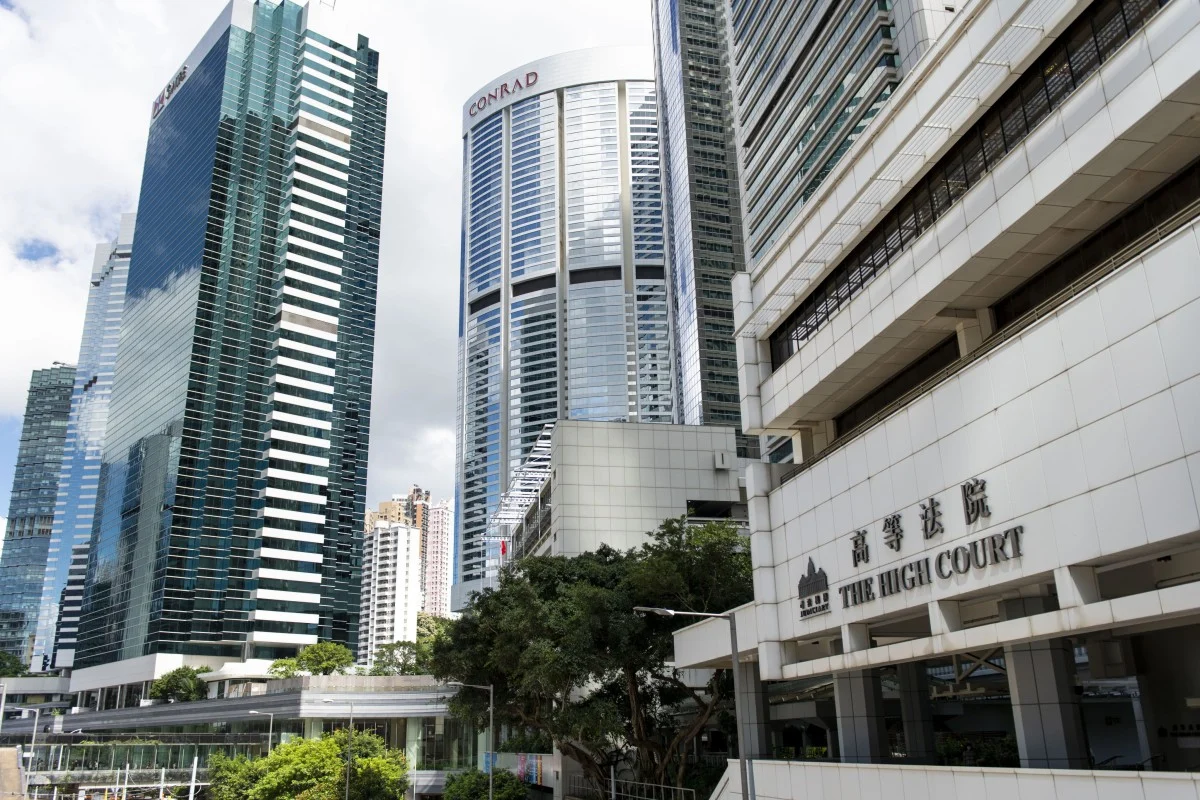
The hearing took place in Hong Kong on Monday. During the session, the court also reviewed an application from PwC International. The company wants to be removed from the lawsuit before the full trial begins.
The case is important because it could shape how global accounting networks are treated in future corporate scandals. Lawyers for the liquidators argued that the global structure of PwC played a role in coordinating the audit services linked to Evergrande.
Evergrande was once one of China’s biggest property developers. The company expanded rapidly during China’s housing boom. It borrowed huge amounts of money to fund projects across the country.
However, the company later faced a severe cash crisis. It struggled to pay suppliers, investors, and lenders. The debt problems shocked financial markets and hurt confidence in China’s property sector.
Chinese authorities later accused Evergrande of inflating revenue figures over several years. Regulators said the company reported false financial data before its collapse.
The accounting scandal raised questions about the role of auditors. Investors and creditors wanted to know how the company’s financial problems were not identified earlier.
PwC entities have faced growing pressure since the scandal became public. The lawsuit in Hong Kong is now one of the largest legal actions linked to the Evergrande collapse.
Legal experts say the case could take years to resolve because of its size and complexity. The court must examine how responsibilities were shared among the different PwC entities.
The liquidators are trying to recover money for creditors after Evergrande’s collapse. Many investors lost large sums when the company failed. Homebuyers were also affected as many housing projects stopped or faced delays.
Hong Kong has become a key center for legal battles tied to Chinese property companies. Many developers used the city’s financial system to raise money from global investors.
The Evergrande crisis also damaged confidence in China’s wider real estate market. Several other developers later faced debt troubles as housing sales weakened.
Analysts believe the outcome of the lawsuit may affect how international accounting firms manage oversight in future audits. Large global networks often operate through separate local partnerships. The court may need to decide how much responsibility a global coordinating body should carry.
PwC International’s request to leave the case will likely become an early legal test. If the court rejects the request, the company may remain part of the larger trial.
The lawsuit adds another chapter to the long financial collapse of Evergrande. What started as a property debt crisis has now turned into a major legal and accounting battle with global attention.
Investors, regulators, and financial firms around the world are closely watching the case. The outcome could influence future corporate governance standards and audit oversight in international markets.
