

Hong Kong is looking at a new path for economic expansion through the combined power of sports and marketing. Experts say Hong Kong sports marketing growth could become a major driver of future business opportunities, tourism, and investment in the city.
Industry leaders and business representatives recently gathered at Kai Tak Sports Park to discuss how sports can support Hong Kong’s economy. The forum focused on how major sporting events can be linked with marketing strategies to create wider commercial value.
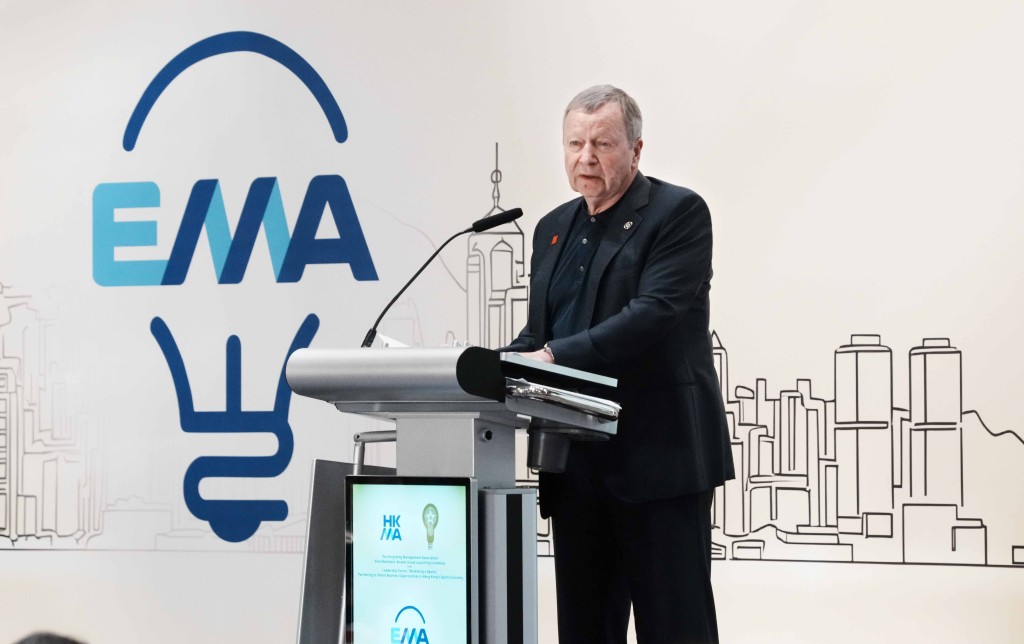
Winfried Engelbrecht-Bresges, chairman of the Hong Kong Management Association, said the city is building itself into an international hub for major sports events. He said sports have the ability to bring people together and attract global attention, which can benefit the wider economy.
He added that marketing is no longer just about promotion. It has become a key part of business innovation and growth. Companies now use marketing to connect with customers, enter new markets, and attract investment.
According to him, combining sports and marketing creates a strong opportunity for Hong Kong sports marketing growth. This combination can help the city strengthen its tourism sector while also supporting new business development.
He said sports events can create emotional engagement with audiences. When combined with strong marketing, they can turn attention into economic value for the city and businesses.
The forum, titled “Marketing x Sports: Partnering to Unlock Business Opportunities in Hong Kong’s Sports Economy,” brought together leaders from sports, business, and marketing sectors. They discussed how Hong Kong can maximize the economic impact of major events.
Casper Stylsvig, executive director in sports business at The Hong Kong Jockey Club, said sports should be viewed as more than competition. He said sports can act as a powerful economic engine.
He explained that sports events can increase tourism, boost consumer spending, and strengthen community engagement. This supports long-term Hong Kong sports marketing growth by expanding the reach of sports beyond stadiums.
Stylsvig also said a successful sports city is not only judged by medals or victories. Instead, it depends on a full system that includes fan engagement, talent development, and long-term financial sustainability.
He pointed to examples where different sports events are combined to attract wider audiences. These cross-sport initiatives help create more entertainment options and improve visitor experience in the city.
Another speaker, Bruce Lam Kwok-shing from the HKMA Elite Marketers’ Alumni, said the sports industry is becoming an important economic sector for Hong Kong. He noted that its value goes beyond events and tourism.
He said sports also support industries like merchandise, hospitality, retail, and entertainment. This creates a wide value chain that strengthens Hong Kong sports marketing growth across multiple sectors.
Lam highlighted the upcoming FIFA World Cup as an example of how global sports events can influence local economies. The tournament will feature 48 teams and more than 100 matches over several weeks.
He said such large events can increase nighttime economic activity and boost consumer spending. They can also change daily habits as matches are broadcast across different time zones.
Restaurants, hotels, entertainment venues, and retail businesses are expected to benefit from increased demand during major sporting events. This creates opportunities for both local companies and international brands.
He added that Hong Kong, as a global city, should fully use the opportunities created by the growing sports economy. He said the city is well positioned to connect international audiences with major sporting experiences.
Leaders at the forum agreed that sports can play a bigger role in Hong Kong’s future economy. They believe that combining sports with strong marketing strategies can help the city attract more visitors and investment.
As discussions continue, Hong Kong sports marketing growth is being seen as a key strategy for long-term economic development. Officials and industry leaders believe the city can strengthen its global position by turning sports into a major business sector.
