

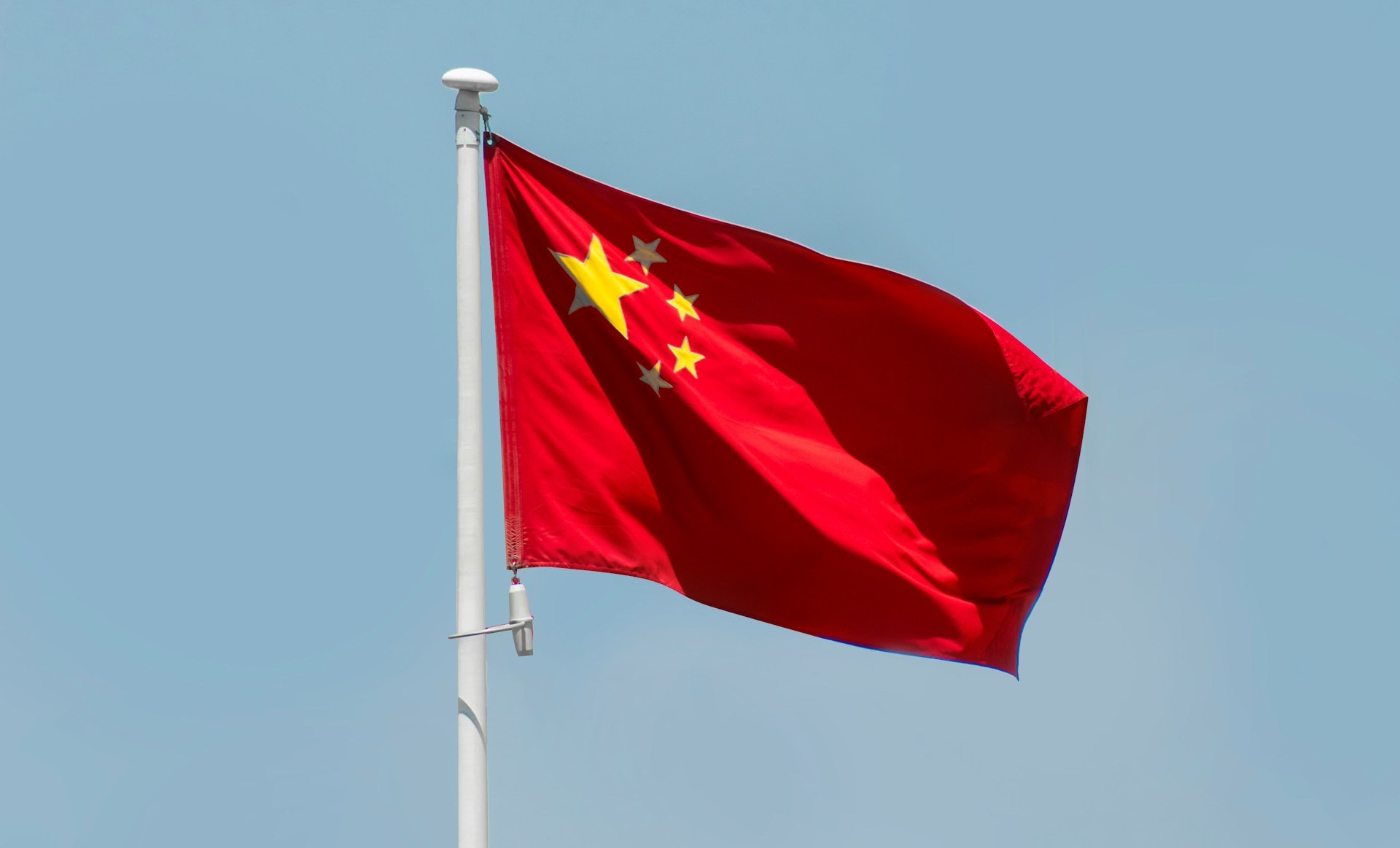
China has strongly rejected recent media reports suggesting it has supplied or plans to supply weapons to Iran, calling the claims “baseless smears.” The response came after several international outlets cited US intelligence sources alleging possible military transfers.
The China-Iran weapons claims controversy began after reports said US intelligence believed China could be preparing to send air defense systems to Iran in the coming weeks. The reports cited unnamed officials familiar with classified assessments.
US media outlet CNN reported that intelligence suggested possible new deliveries of defensive military equipment. Another report by The New York Times claimed US officials believed China may have already sent shoulder-fired missile systems to Iran.
These claims quickly triggered political reactions. US President Donald Trump warned that China could face a “staggering” 50 percent tariff if it provided military support to Tehran. The warning added new tension to already strained global trade and security relations.
China’s foreign ministry firmly denied the allegations. Officials said the country follows strict rules on military exports and complies with international obligations. They stressed that China has always taken a careful and responsible approach to arms trade.
A spokesperson for China’s foreign ministry, Guo Jiakun, said Beijing opposes what he described as false accusations. He said linking China to such reports is misleading and has no factual basis.
The China-Iran weapons claims issue comes at a time of increased geopolitical tension in the Middle East. Iran remains under international scrutiny, and its relationships with global powers continue to draw attention.
China is one of Iran’s most important economic partners. It imports a large share of Iran’s oil exports, making energy trade a key part of their relationship.
However, despite strong economic ties, the two countries do not have a formal military alliance. Analysts say their relationship is mainly based on trade and strategic interests rather than defense cooperation.
Experts also note that China maintains significant economic relationships with Gulf countries as well. This includes Saudi Arabia and other regional powers, which limits how far Beijing can align itself militarily with Tehran.
Over the course of regional conflicts, China has also criticized attacks involving Iran and Gulf states. This reflects Beijing’s effort to balance relations across the Middle East rather than take a direct military role.
The China-Iran weapons claims debate highlights growing global sensitivity around arms transfers and military cooperation. Any potential movement of advanced weapons systems is closely monitored by Western intelligence agencies.
At the same time, China has repeatedly stated that it does not interfere in military conflicts and prefers diplomatic and economic engagement. Officials say its foreign policy is focused on stability and development.
The United States, however, remains concerned about possible shifts in military balance in the region. The warning from Trump about tariffs reflects broader tensions between Washington and Beijing over security and trade issues.
Analysts say even unconfirmed reports can quickly escalate diplomatic pressure. In this case, intelligence leaks and media coverage have already triggered strong political responses.
For now, China continues to deny any involvement in arms transfers to Iran. The China-Iran weapons claims remain unverified, and no public evidence has been released to confirm the reports.
As the situation develops, attention is expected to remain on US-China relations, Iran’s regional role, and the wider impact on Middle East security dynamics.
