

Hong Kong’s Mai Po Nature Reserve has tested positive for a highly pathogenic H5 avian influenza virus. Officials confirmed the findings on Friday after two samples from the site returned positive results. Authorities have stepped up checks and cleaning work to monitor the situation and reduce risks to birds and visitors.
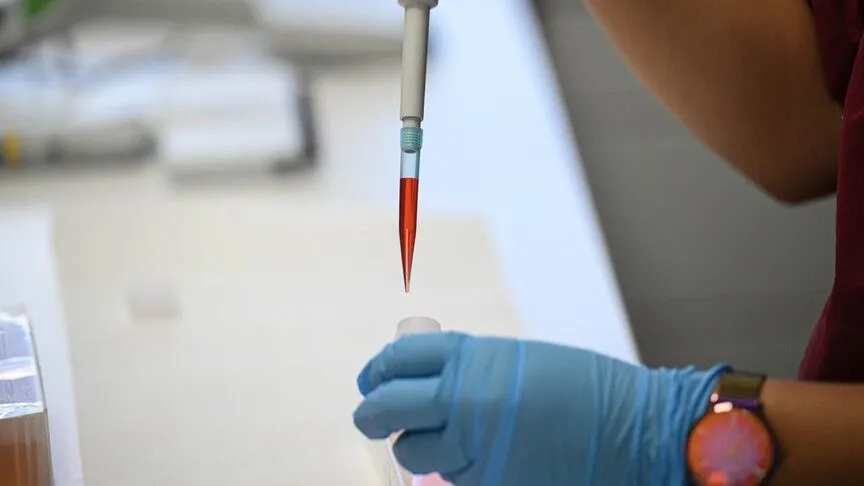
The Agriculture, Fisheries and Conservation Department (AFCD) said the samples were collected on Wednesday during routine checks. A research team from the University of Hong Kong’s School of Public Health carried out tests and confirmed the results.
The department said it was closely watching the birds at Mai Po Nature Reserve. It has also placed notices around the site to remind visitors to follow basic hygiene steps.
Officials have increased cleaning and disinfection at public facilities inside the reserve. These include bird hides and a floating boardwalk used by visitors to watch birds. The steps aim to keep visitor areas clean while the department continues to monitor the site.
The AFCD spokesperson said there were no chicken farms within three kilometres of the place where the samples were collected. This means no nearby chicken farms were found within that distance of the test site.
Bird flu surveillance has also been increased across the area. The department is keeping a close watch on local poultry farms and the wholesale market. These checks are part of wider efforts to identify any signs of the virus and limit its spread.
The Food and Environmental Hygiene Department is also taking steps to monitor the poultry trade. It said staff would keep a close watch on live poultry stalls for possible risks linked to the H5 virus.
The latest findings have led to more attention on bird health and hygiene at the nature reserve. Mai Po is an important site for wild birds, making regular checks a key part of efforts to spot possible disease risks.
Avian influenza, often called bird flu, is a viral disease that mainly affects birds. Some strains can cause severe illness and high death rates in infected birds. The term highly pathogenic refers to strains that can cause serious disease in poultry.
The H5 virus group includes strains that have caused outbreaks in birds in different parts of the world. However, a positive test at a bird site does not by itself confirm that people have been infected. The latest announcement did not report any human cases linked to the samples.
Visitors to the reserve are being reminded to maintain good personal hygiene. They should follow notices and instructions from staff while using public areas. They should also avoid touching wild birds or any dead or sick animals.
The increased cleaning work and surveillance will help officials track the situation as they review further findings. Checks at poultry farms, the wholesale market and live poultry stalls will also help authorities watch for possible risks beyond the reserve.
For now, the AFCD says it is closely monitoring the birds at Mai Po. The departments involved are continuing their checks and hygiene measures as Hong Kong responds to the positive H5 test results.
The situation highlights the role of routine surveillance in finding bird diseases early. Continued monitoring will be important in assessing the extent of the findings and deciding whether further action is needed.
