

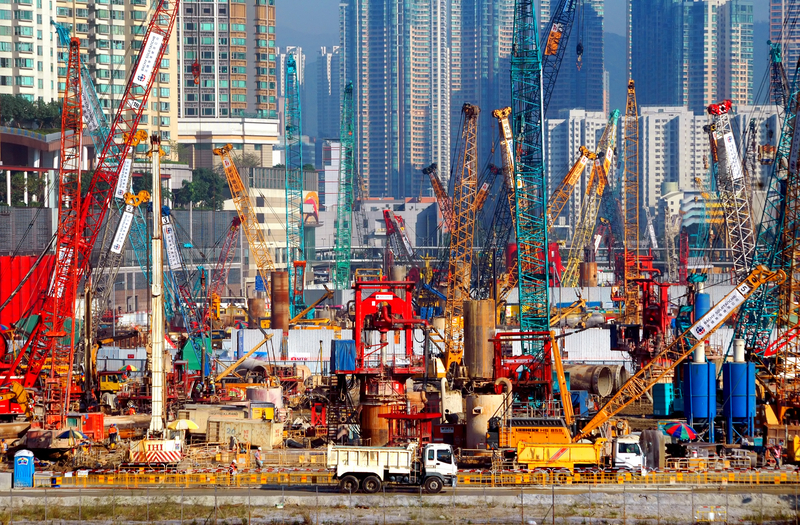
Hong Kong is preparing stricter construction rules after defects and departures from approved building plans were found at several major projects. The new measures aim to improve building quality, strengthen site inspections and hold contractors and construction professionals more accountable for their work.
Development Secretary Bernadette Linn announced the changes during a Legislative Council meeting on November 11, 2026. She was responding to questions about cases in which steel reinforcement work at two residential projects did not follow approved building plans.
The announcement comes as concerns grow over construction standards in the city. One recent case involved the discovery of about 30 substandard columns at the Tung Chung railway station, which is still under construction. The project was commissioned by transport operator MTR Corporation. The findings have added to calls for closer checks and better control of building work.
Under the planned system, contractors working on public sector projects will face new limits on subcontracting. They will no longer be allowed to pass all their work to another contractor. The government also plans to introduce limits on two levels of subcontracting for certain types of building projects.
These steps are designed to make it easier to identify who is responsible for each part of a project. They may also help reduce gaps in supervision when work passes through several contractors. Clear duties could make it easier for officials to check work and address problems when standards are not met.
The government also plans to review how public projects are prepared and awarded. Project schedules will be confirmed before tenders are invited. This is intended to give contractors a clearer view of the work and reduce delays during construction.
At the same time, the tender process will include measures to screen out bids that are considered unreasonably low. Very low offers can raise concerns about whether a contractor has enough money, staff and time to complete a project to the required standard. The planned checks aim to place greater focus on realistic costs and delivery plans.
Further changes will apply to steel reinforcement and concrete work from January 2027. Contractors will have to take photographs of steel reinforcement before pouring concrete. They must then send the images to the Buildings Department for review.
This process will give officials a record of the steel work before it becomes hidden inside concrete. It could help inspectors spot problems at an earlier stage and check whether the work follows approved plans. It will also make it harder for important work to go without proper records.
Hong Kong has also introduced a video recording measure for site inspections. Since June 2026, site managers have been required to wear video cameras while carrying out inspections. The recordings are intended to improve oversight and provide a clearer record of what takes place during checks.
The Construction Industry Council will also set up a new task force to study the reasons behind poor construction quality. The group will review factors that affect building standards and suggest practical ways to improve work across the industry.
The government also plans to strengthen whistleblowing channels. It will work with construction and engineering groups to improve how people share information about possible problems. The plan also includes better ways to handle disciplinary action when misconduct or poor work is found.
Changes to the Buildings Ordinance are another part of the plan. The government is expected to submit its proposals to the Legislative Council’s Panel on Development later in November 2026.
The proposed changes include a substantial increase in the maximum fines for offences under the law. Officials also want to speed up disciplinary hearings so that cases can be handled without long delays.
Registration rules for construction professionals are also set for review. One proposal is to shorten renewal periods. This could allow regulators to check professional records and qualifications more often.
The full set of measures covers several stages of construction, from tendering and contractor selection to site inspections and legal action. The government aims to improve responsibility at every stage and reduce the risk of poor work going unnoticed.
As Hong Kong continues to build homes and transport facilities, the new Construction Quality Rules will play a key role in efforts to improve project oversight. Their impact will depend on how well the measures are put into practice and how consistently officials enforce them.
