

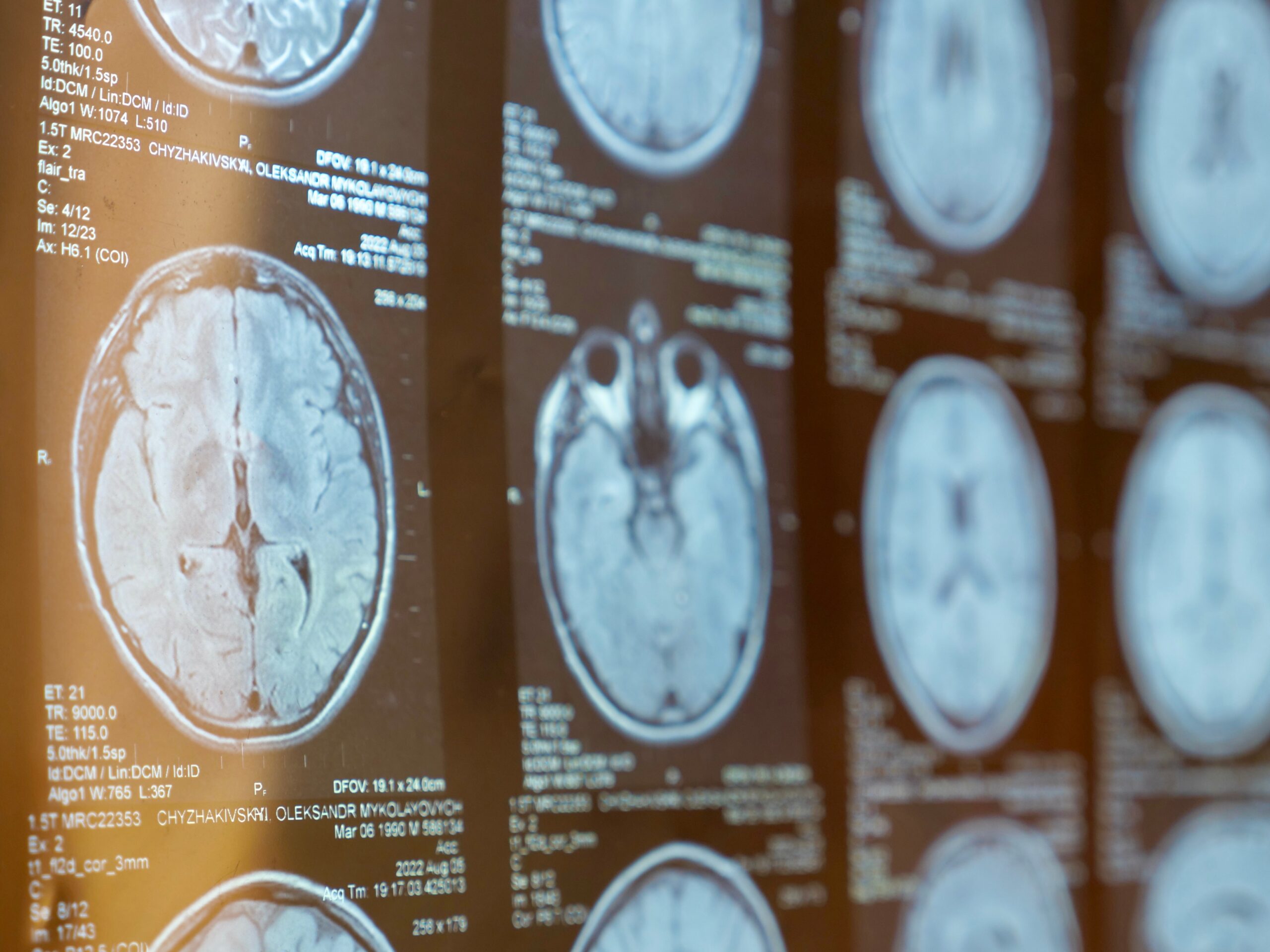
A Cambridge-led trial has found early evidence that a combination of a diabetes drug and an antihistamine can help repair nerve damage in multiple sclerosis (MS), offering fresh hope for a new class of treatments.
The CCMR Two trial tested metformin, widely used for type 2 diabetes, alongside clemastine, an antihistamine previously shown to boost myelin repair. In MS, the immune system destroys the protective myelin sheath around nerves, slowing or blocking electrical signals and leading to symptoms such as numbness, vision problems, tremors, and progressive disability.
Seventy patients with relapsing MS took part in the six-month trial, with half receiving the drug combination and half a placebo. Researchers measured how quickly electrical signals travelled from the eyes to the brain — a test slowed by myelin damage. Results showed modest but measurable improvements: signals in the treatment group were 1.3 milliseconds faster on average than in the placebo group.
Dr Nick Cunniffe, neurologist at the University of Cambridge and lead investigator, said: “My conclusion is that the drugs have a biological effect to promote remyelination, but we need to be clear that people do not feel better on these drugs over six months. I feel like we’re at this precipice of a new class of therapies for MS and that’s why this is exciting.”
While the changes were too small for patients to notice, experts say the proof-of-concept results are encouraging. Emma Gray of the MS Society said: “We would not expect them to have a clinical benefit after only six months. It will take longer for this to be seen.”
The researchers cautioned that patients should not try to access the drugs outside clinical trials, as both can cause side effects including fatigue and diarrhoea. Importantly, such treatments may help repair myelin but cannot regenerate already dead nerve cells.
Jonah Chan, a neurology professor at UCSF involved in earlier clemastine studies, stressed the importance of pursuing remyelination therapies. “It is the only immediate hope for restoring function,” he said. “We need to be inspired by optimism but comfortable with learning from setbacks.”
Nearly 3 million people worldwide live with MS, including over 150,000 in the UK. Current treatments focus mainly on reducing relapses, not reversing damage. If longer trials confirm these results, remyelinating drugs could mark a breakthrough in tackling long-term disability from MS.
