

Chinese creditors are now using Hong Kong courts more often. They are trying to recover money from troubled property developers in China. Many developers are unable to repay their debts on the mainland. This has pushed creditors to look outside China for help. A key tool in this process is Hong Kong debt enforcement.
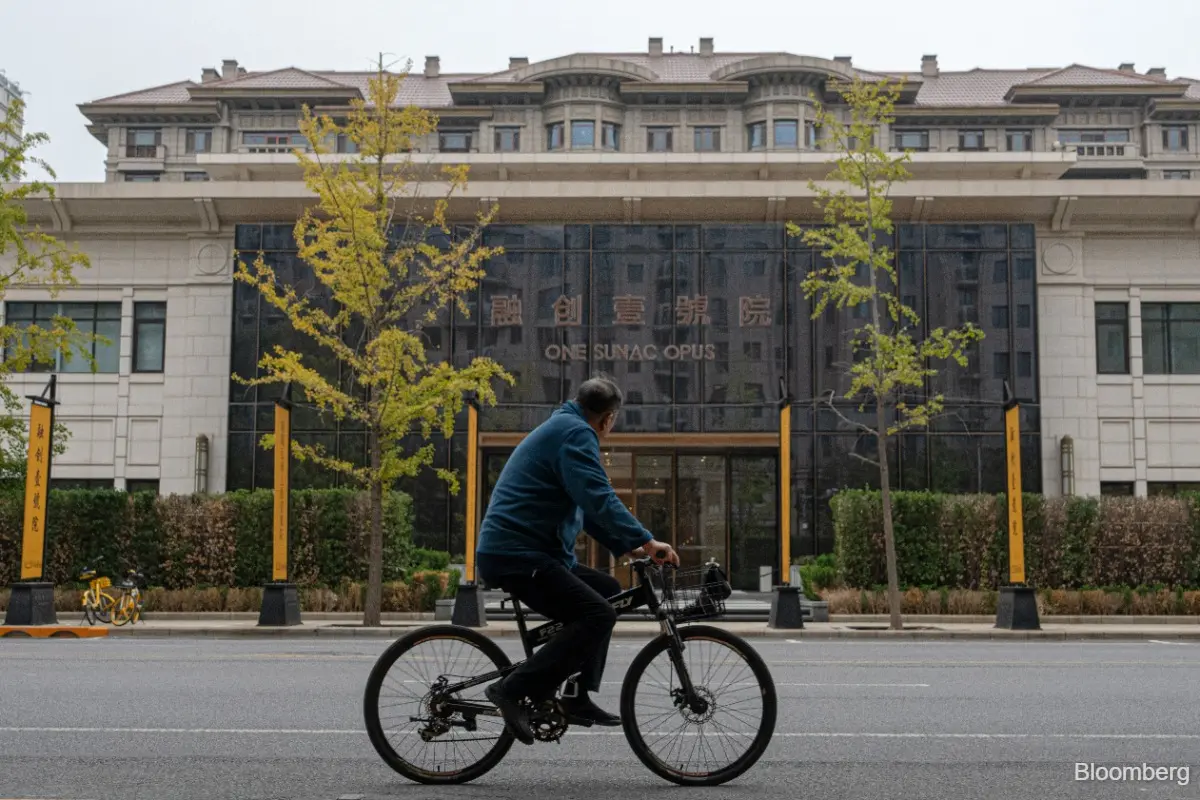
One major case involves Sunac China Holdings. A supplier, Beijing Oriental Yuhong Waterproof Technology, has taken legal action in Hong Kong. It is trying to enforce a mainland court ruling against Sunac chairman Sun Hongbin. The ruling ordered him to pay more than 418.5 million yuan. This is about 61.3 million US dollars. The case shows how Hong Kong debt enforcement can be used to chase unpaid money.
If the Hong Kong court agrees with the supplier, it could allow access to offshore assets. This means assets held outside mainland China. That is important because many wealthy business figures and firms hold money in different regions. Hong Kong courts can act on mainland rulings through special legal agreements. These agreements were made to improve cross-border debt recovery and trust in commercial cases.
Legal experts say this trend is growing fast. Courts in Hong Kong can now recognize some mainland rulings. This helps creditors who cannot get money back inside China. It gives them another legal path. It also increases pressure on debtors to settle payments. Many creditors now use Hong Kong debt enforcement as a stronger recovery tool.
Another case involves Agile Group Holdings. A unit of Melco International Development filed a liquidation request. The claim is based on an arbitration ruling from China. The amount involved is over 18 million US dollars. The goal is to recover unpaid funds from the builder. This shows how different firms are using Hong Kong courts to push for repayment.
A similar case targets Shimao Group Holdings. A unit of Agricultural Bank of China took action in Hong Kong. It seeks to recover around one billion yuan. This relates to a 2022 mainland court ruling. The case shows how large state-linked creditors are also using Hong Kong debt enforcement to recover loans from defaulted developers.
These legal moves come after years of stress in China’s property sector. Many major developers faced heavy debt problems. Some of them completed restructuring plans in recent years. Sunac finished its second offshore restructuring in December 2025. Shimao also completed its own restructuring in the same period. These plans helped them avoid collapse, but debt issues still remain.
Restructuring does not always fix financial stress fully. It only helps companies manage debt for a time. After restructuring, firms often try to focus on business recovery. But new legal actions can still appear. When creditors use Hong Kong courts, it may create fresh pressure on these companies. It can also reopen talks between debtors and creditors.
Experts say the trend is changing. Creditors first focused on offshore debt recovery. Now they are also targeting onshore debt through Hong Kong courts. Glen Ho from Deloitte said creditors are searching for assets wherever they exist. He explained that they are using legal tools to gain leverage. This helps them push debtors back to negotiation tables.
Sun Hongbin, Sunac, and Beijing Oriental Yuhong did not respond to comment requests. Legal experts believe Hong Kong debt enforcement will continue to grow. It gives creditors a stronger chance to recover money in complex cross-border cases.
