

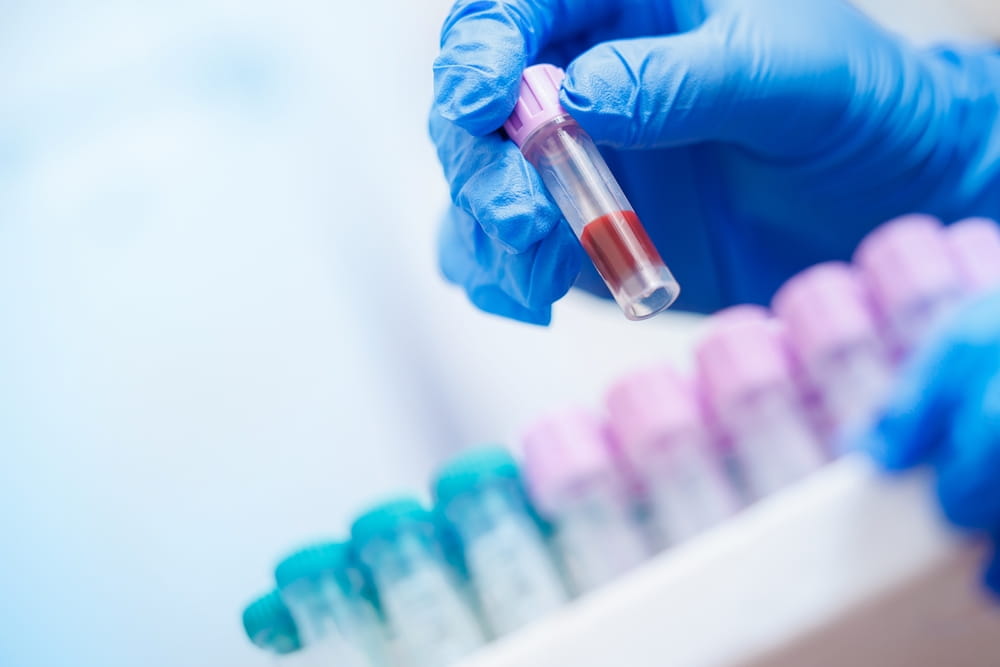
Scientists have developed a simple blood test that can predict how well a patient with breast cancer will respond to treatment, potentially allowing doctors to tailor therapy from the outset.
The test analyses circulating tumour DNA (ctDNA) – tiny fragments of cancer DNA shed into the bloodstream – using a liquid biopsy. In a study of 167 patients with advanced breast cancer, researchers found that low ctDNA levels before treatment, and again after just four weeks, were strongly linked to better responses and longer periods before the cancer progressed.
Patients with low or undetectable ctDNA were far more likely to see their tumours shrink and to benefit from treatment for months longer than those with higher levels. This was particularly striking in people with triple negative breast cancer, an aggressive form of the disease with limited treatment options.
Researchers say the test could be “gamechanging” because it would help doctors quickly identify whether a therapy is likely to work. Patients who are unlikely to benefit could be switched early to alternative drugs or clinical trials, avoiding ineffective treatment and improving their chances of living longer with the disease under control.
Trials are now under way to test whether adjusting treatment based on these early blood results leads to better outcomes. Scientists believe the approach could eventually be used not only in advanced cases, but also in early-stage breast cancer.
