

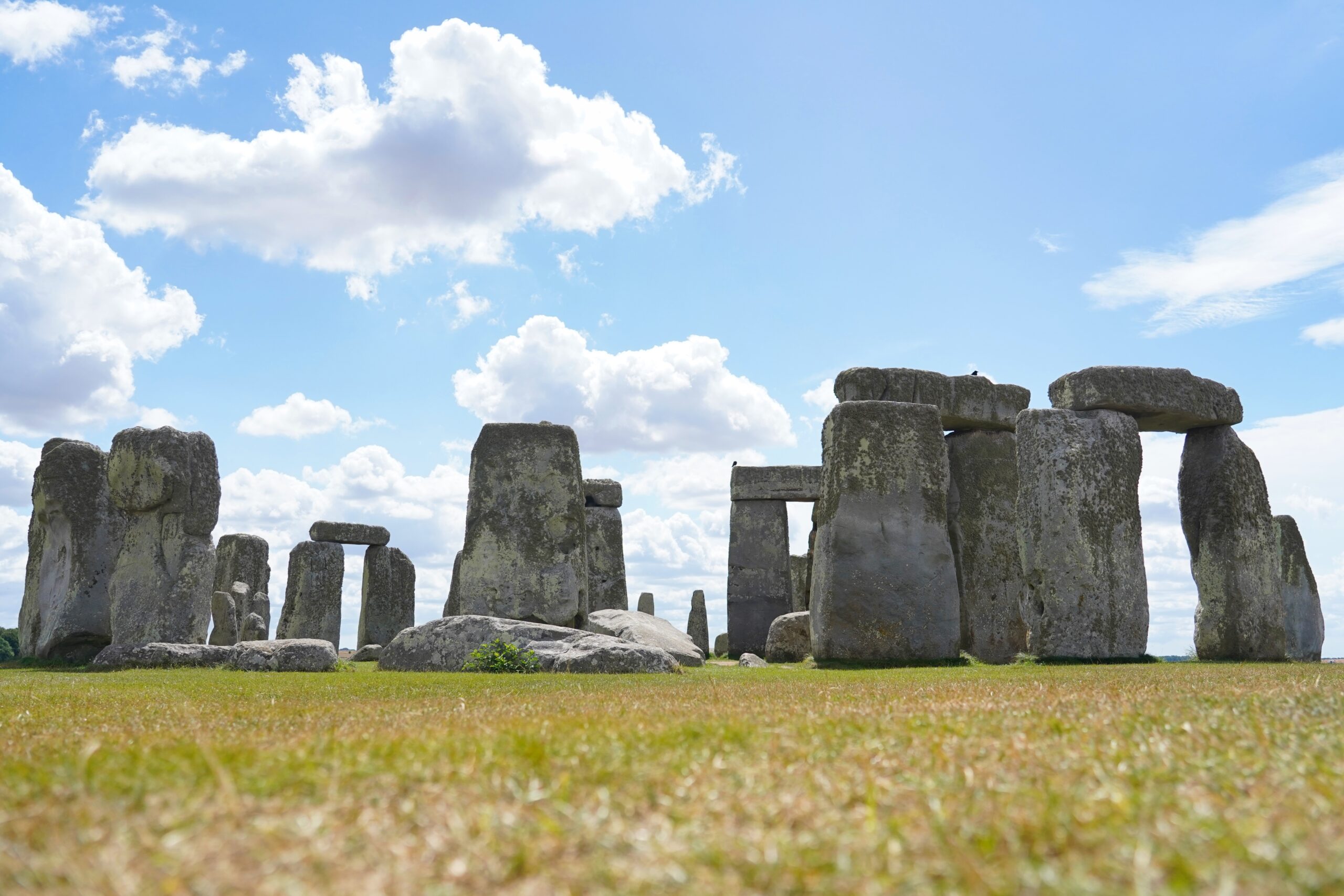
Archaeologists say they have confirmed that a huge circle of deep pits near Stonehenge was deliberately carved by Neolithic people more than 4,000 years ago.
The structure, known as the Durrington pit circle, is thought to be made up of around 20 enormous pits stretching more than a mile across, centred on the Durrington Walls and Woodhenge sites. Some pits measure up to 10 metres wide and 5 metres deep, and their scale suggests advanced planning and engineering.
First identified in 2020, the site was initially met with scepticism, with some experts suggesting the pits could be natural. A new study published in Internet Archaeology used a combination of cutting-edge methods — including electrical resistance tomography, radar, magnetometry, soil dating and sediment DNA analysis — to test the theory.
By comparing soil samples from across the site, researchers found repeating, non-natural patterns that strongly suggest human construction. Professor Vincent Gaffney of the University of Bradford said the evidence proves the pits were not formed naturally, calling the structure “extraordinary”.
The team believes the pits were dug in the late Neolithic period and may have had a symbolic or spiritual purpose, possibly linked to beliefs about an underworld.
