

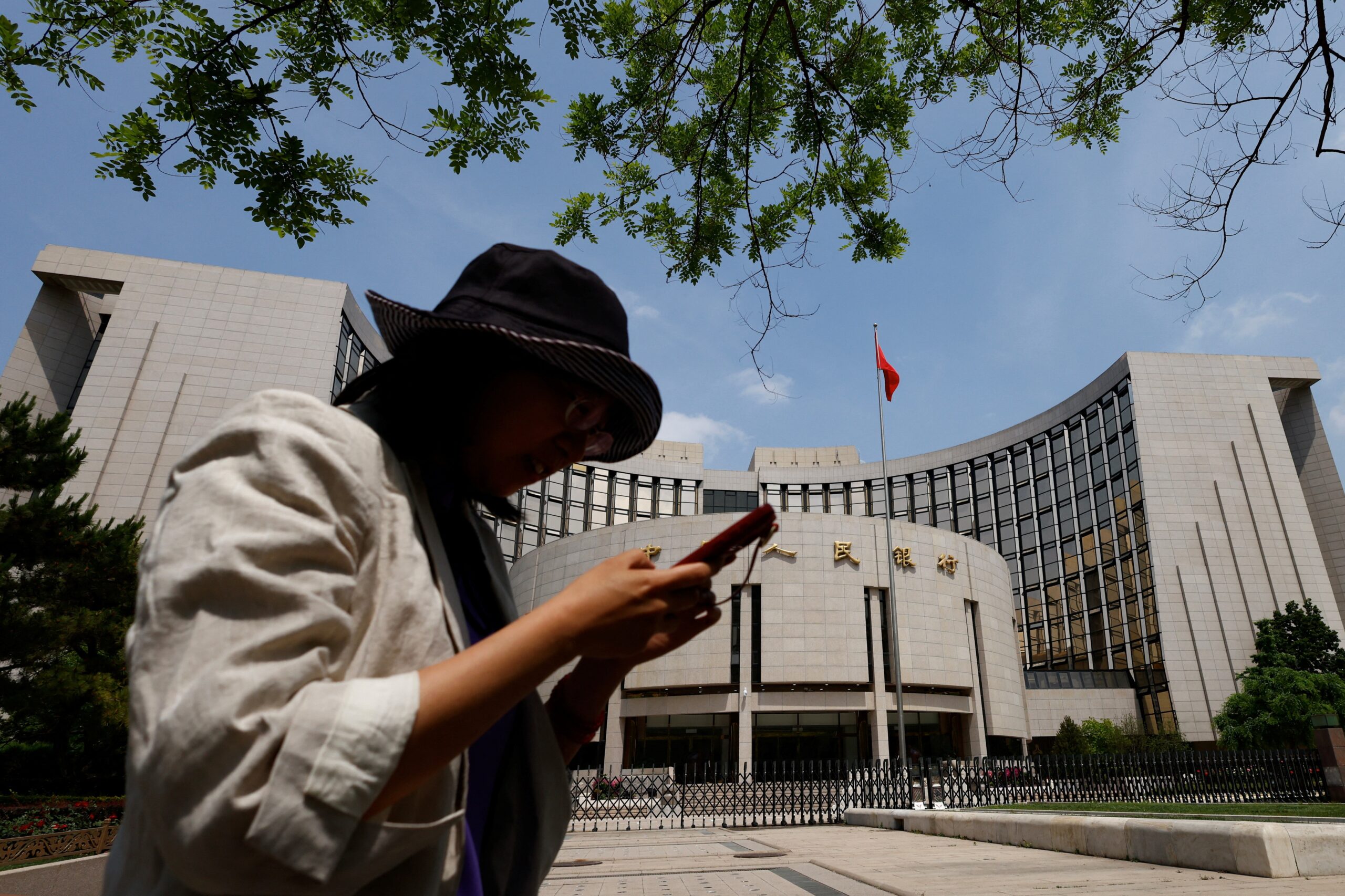
China’s central bank is raising the amount of foreign currency that banks must keep in reserve. The move is designed to manage dollar liquidity in the financial system as the Chinese yuan continues to gain strength against the US dollar.
The People’s Bank of China (PBOC) said the change aims to improve foreign exchange liquidity management at financial institutions. By requiring banks to hold a larger share of their foreign currency deposits, the central bank plans to reduce the amount of dollars available for lending and other market activities.
A Reuters calculation based on official foreign exchange deposit data suggests the adjustment could remove about $24 billion from the financial system.
The decision comes as the yuan has recorded strong gains this year. The Chinese currency has risen by more than 5% against the dollar, making it one of the best-performing currencies in Asia.
Several factors have supported the yuan’s rise. China’s exports have remained strong, while the country continues to record a large trade surplus. Companies have also been converting more of their foreign currency earnings into yuan.
These trends have increased demand for the Chinese currency and added pressure on the dollar-yuan exchange rate.
Marco Sun, chief financial market analyst at MUFG China, said the central bank was responding to the yuan’s market-driven rise. He explained that the PBOC wanted to absorb some of the available US dollar liquidity held by banks.
According to Sun, reducing dollar liquidity could slow the pace of the yuan’s gains. It could also prevent investors and businesses from developing expectations that the Chinese currency would continue to rise in one direction.
Such expectations can influence market behaviour. If companies believe the yuan will keep strengthening, they may be more willing to convert dollar earnings into local currency. This can create further demand for the yuan and add to its upward pressure.
The reserve requirement change gives the central bank another way to manage these movements without directly setting a new exchange rate.
The decision also marks a reversal of an earlier policy move. In September 2023, the PBOC lowered the foreign exchange reserve requirement ratio. At that time, the central bank was trying to support the yuan as it faced sharp losses against the dollar.
The earlier reduction allowed banks to hold a smaller share of their foreign currency deposits in reserve. This increased the amount of foreign currency available in the banking system and helped ease pressure caused by capital outflows.
The latest increase reflects a different market situation. Rather than dealing with a weakening yuan, policymakers are now responding to a currency that has gained significant ground.
The PBOC’s action highlights the challenge of managing exchange rate movements while supporting China’s wider economic goals. A stronger yuan can make imported goods cheaper and reduce the cost of overseas purchases. However, rapid gains can also create challenges for exporters by making Chinese products more expensive for foreign buyers.
China’s export sector remains an important source of economic activity. Strong overseas demand has helped support the country’s trade performance and contributed to the yuan’s recent strength.
At the same time, a large trade surplus means Chinese companies receive substantial amounts of foreign currency from overseas sales. When businesses convert those earnings into yuan, demand for the local currency can increase.
The central bank must therefore balance the benefits of a stronger currency against the need to avoid sudden market movements. Excessive one-way expectations can create risks for businesses, banks and investors.
The additional $24 billion reduction in dollar liquidity could help moderate those pressures. However, the actual effect will depend on market demand, business activity and future currency flows.
The move does not necessarily signal a change in China’s broader currency policy. Instead, it shows that the central bank is adjusting its tools as market conditions change.
Investors will now watch how the yuan responds to the higher reserve requirement. They will also look for signs of further action from the PBOC if the currency continues to strengthen.
For now, China’s central bank appears focused on keeping foreign exchange conditions stable while preventing excessive movements in the yuan. Its latest decision shows that policymakers are prepared to act when market forces create pressure on the currency.
