

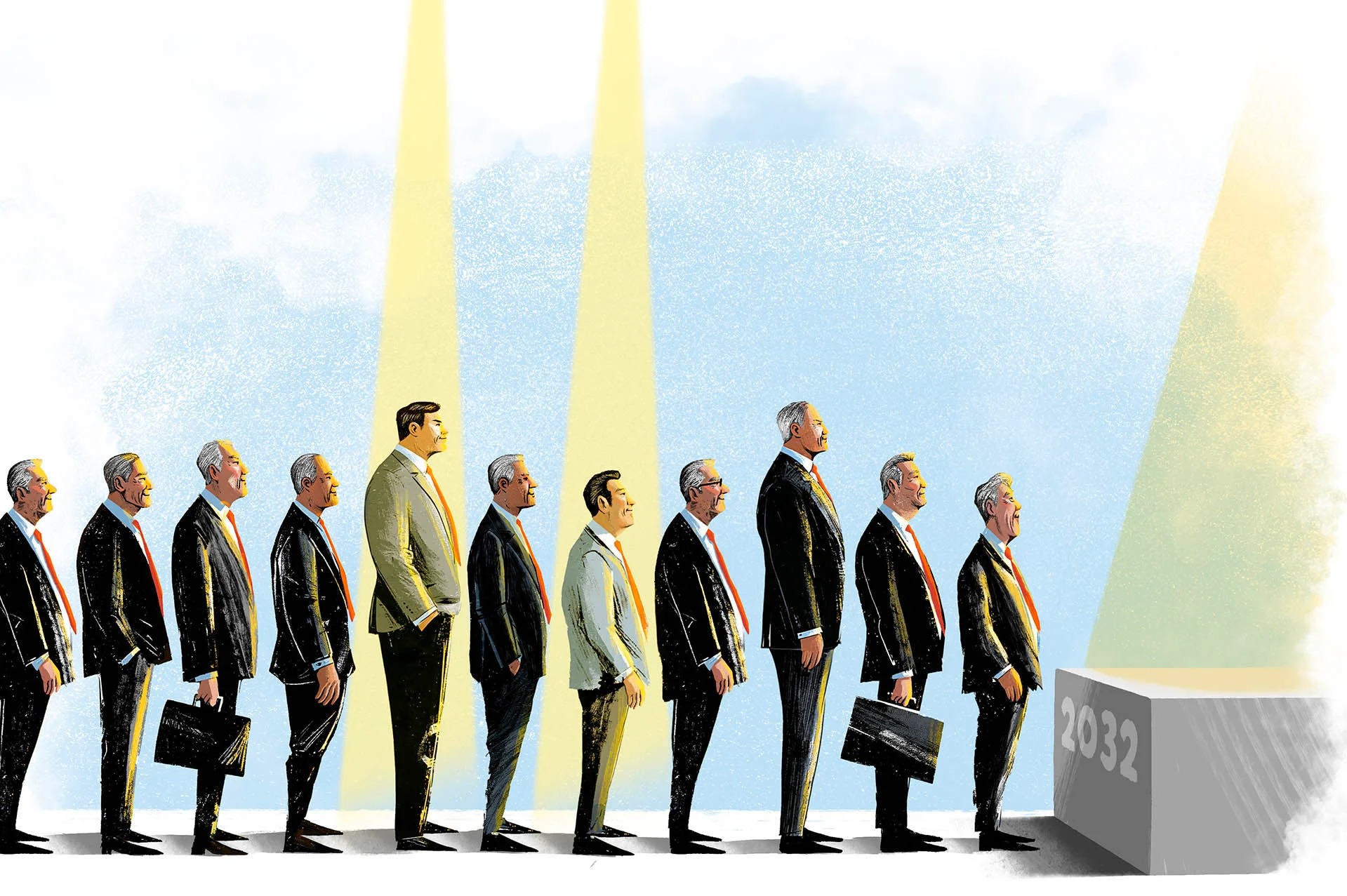
China’s ruling Communist Party is preparing for a major leadership transition as senior officials gather in Beijing for an important political meeting. The upcoming discussions are expected to draw attention to the next generation of party leaders and their future roles.
The party’s fifth plenum begins on Monday. The meeting brings together members of the Central Committee, one of the most important bodies in China’s political system. While the sessions take place behind closed doors, decisions and preparations linked to future appointments could have a lasting effect on the country’s leadership.
A major focus is the process of assigning hundreds of key positions ahead of next year’s 21st party congress. These roles can shape the direction of the party and influence the people who will hold power in the years ahead.
At the center of this process is the rise of what is often called the party’s seventh generation, or 7G. This group includes officials born in the late 1960s and throughout the 1970s. Many are now moving toward more senior positions within China’s political system.
Their progress is important because the party needs to prepare future leaders while maintaining control over its current political structure. The officials selected for promotion could influence government policy, economic planning and the direction of the country for years to come.
The fifth plenum is part of a wider process through which the Communist Party manages its leadership and plans for the future. Such meetings allow senior members to discuss major political matters, although the public often has limited access to the details of internal debates.
The upcoming party congress in 2027 is expected to be another key moment in this process. Hundreds of important positions will need to be allocated, making the period before the congress significant for officials seeking advancement.
The emergence of younger leaders does not necessarily mean a rapid change in China’s political system. Promotions remain closely tied to the party’s internal structure, and rising officials must work within its established rules and priorities.
Still, the growing presence of officials from the 7G group has placed their careers under closer attention. Their movement into senior positions could provide clues about the party’s long-term plans and how it intends to build its leadership team.
China’s political system places strong importance on party appointments. Senior officials often hold influential roles across government departments, regional administrations and party institutions. The distribution of these positions can affect how policies are carried out and which officials gain greater influence.
For this reason, preparations for the next party congress extend beyond a simple reshuffle. They also involve deciding which people may be trusted with greater responsibility and how the party’s leadership will develop over time.
The fifth plenum is expected to take place with these longer-term questions in the background. Even if the meeting does not publicly reveal every planned appointment, the political process surrounding it remains important for understanding the party’s future.
The rise of the seventh generation also comes at a time when China faces major domestic and international challenges. Future leaders will be expected to work within the party’s priorities while dealing with economic pressures, social needs and a changing global environment.
However, the exact officials who will receive top positions, and the timing of their promotions, remain uncertain. The final decisions will depend on the party’s internal selection process and developments leading up to the 2027 congress.
For now, the fifth plenum offers a window into the preparations taking place behind the scenes. As senior officials meet in Beijing, attention will remain on the younger generation waiting for a larger role in China’s political system.
Their advancement could help shape the party’s leadership for the coming years, making the current period an important stage in China’s political planning.
