

Huawei Technologies has revealed plans to launch two new artificial intelligence processors in 2027 as the Chinese technology giant expands its AI computing business and strengthens its position in the global semiconductor race.
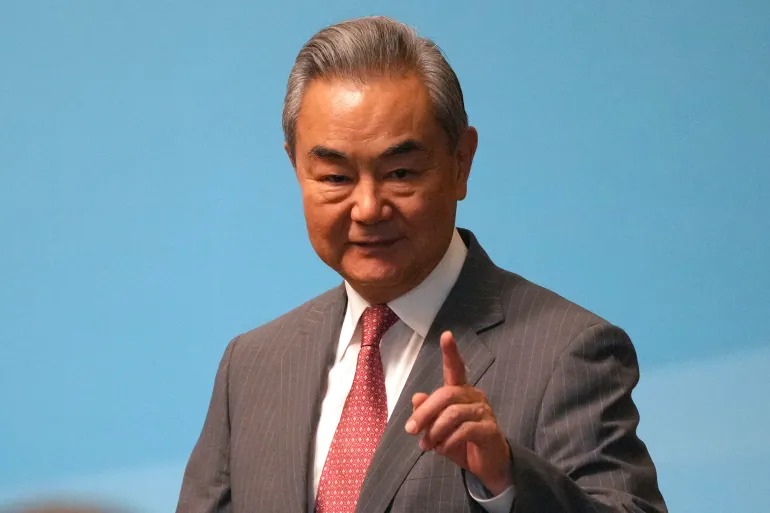
The announcement was made by Huawei rotating chairman David Wang during a company event in Shanghai. The roadmap outlines Huawei’s strategy to increase computing power, improve chip connectivity and develop large-scale AI systems capable of supporting growing demand for artificial intelligence applications.
According to Wang, Huawei plans to introduce the 960DT AI chip during the first quarter of 2027. A second processor, the Ascend 960PR, is scheduled for release in the third quarter of the same year.
The planned launches represent another step in Huawei’s efforts to build a domestic AI ecosystem as China continues investing heavily in advanced technology development. The company has become one of the country’s leading suppliers of AI hardware following restrictions that limited access to some foreign semiconductor technologies.
A major focus of Huawei’s strategy involves linking large numbers of processors together so they can operate as a unified computing system. Modern AI models often require enormous processing capacity that cannot be delivered by a single chip alone.
To address that challenge, Huawei is developing a technology platform known as UnifiedBus. Wang described the system as a critical component of the company’s next generation of AI infrastructure.
UnifiedBus is designed to allow processors to exchange information more efficiently and coordinate computing tasks across large networks of chips. Faster communication between processors is considered essential for supporting advanced AI workloads and large-scale training systems.
Huawei said it has already developed 11 semiconductor products based on the UnifiedBus architecture. These products are intended for deployment in large AI computing environments where multiple processors must work together to complete complex tasks.
The company also provided details about its largest computing systems. Huawei’s biggest AI configurations, referred to as superclusters, are designed to support up to one million processors working together within a connected network.
Such systems are intended to provide the computing resources required for future AI applications, including advanced machine learning models, data analysis platforms and other high-performance computing workloads.
In addition to its supercluster efforts, Huawei reported progress in deploying smaller connected systems known as supernodes. According to Wang, the company has shipped more than 1,000 supernodes to over 370 customers.
A supernode combines multiple AI processors into a single system capable of handling demanding computing tasks. While Huawei did not disclose the number of chips used in each supernode or identify customers, the figures indicate growing adoption of the company’s AI computing solutions.
The announcement comes as competition between the United States and China in artificial intelligence continues to intensify. Both countries are investing heavily in semiconductors, data centers and software platforms that support AI development.
Export restrictions imposed by the United States have limited China’s access to certain advanced chips and semiconductor manufacturing technologies. In response, Chinese companies have accelerated efforts to create domestic alternatives and strengthen local supply chains.
For Chinese technology firms, the ability to connect large numbers of processors has become increasingly important. If access to the most advanced foreign chips remains restricted, companies can increase overall computing power by linking together larger networks of locally produced processors.
Industry experts note that this strategy depends on efficient communication between chips. Systems that cannot exchange information quickly may struggle to achieve the performance needed for advanced AI applications.
Huawei continues to face strong competition from Nvidia, which remains the global leader in AI hardware and software. Nvidia’s products are widely used by developers, research institutions and businesses around the world.
Recognizing the importance of software support, Huawei is also working to expand its developer community. Wang said the company’s AI ecosystem currently includes 5,270 monthly active developers.
The Huawei AI Chip Strategy reflects China’s broader push to strengthen technological self-reliance and expand domestic innovation. With new processors, large-scale computing systems and growing developer support planned for 2027, Huawei is positioning itself as a key player in the next phase of global AI infrastructure development.
