

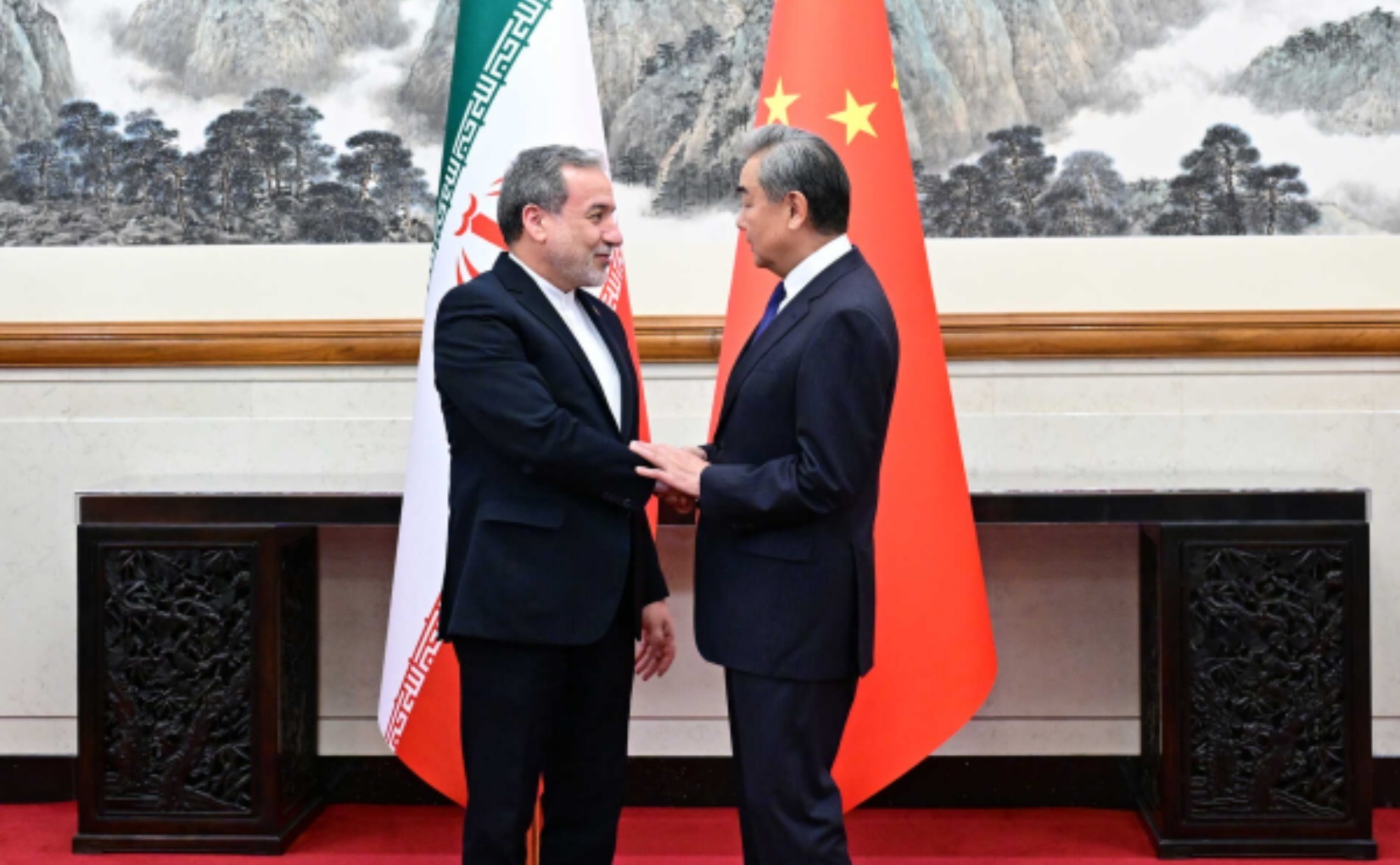
Iranian Foreign Minister Abbas Araghchi is set to visit Beijing on Wednesday for talks with Chinese Foreign Minister Wang Yi, highlighting the growing importance of relations between Tehran and Beijing amid ongoing regional tensions and renewed international pressure on Iran.
The visit marks Araghchi’s second trip to the Chinese capital since the conflict involving Iran, Israel and the United States began earlier this year. It also comes shortly before an anticipated meeting between Chinese President Xi Jinping and U.S. President Donald Trump later this month in Washington.
The timing of the diplomatic engagement has drawn attention because Araghchi’s previous visit to Beijing in May also took place shortly before Trump traveled to China. Analysts view the meetings as part of broader efforts by China to maintain communication with key regional players while positioning itself as a supporter of diplomatic solutions.
China has repeatedly called for de-escalation in the Middle East and has sought to present itself as a neutral actor during the conflict. Beijing has emphasized dialogue, stability and respect for national sovereignty while avoiding direct involvement in military disputes.
During the recent BRICS summit in New Delhi, Xi urged member nations to support peace efforts in the Middle East. He said China was prepared to work with partners to promote stability and reduce tensions across the region.
Although Xi’s remarks generated speculation about a possible mediation role between Iran and the United States, he did not announce any formal diplomatic initiative.
Instead, the Chinese leader reiterated a broader framework focused on peaceful coexistence, respect for sovereignty, adherence to international law and balancing security with economic development.
Observers note that China traditionally avoids becoming deeply involved in conflicts where diplomatic failure could damage its international standing. While Beijing supports political dialogue, it generally prefers broad multilateral approaches rather than direct mediation in highly complex disputes.
Inside Iran, reactions to Xi’s comments have been mixed.
Former Iranian Foreign Minister Mohammad Javad Zarif welcomed the Chinese leader’s position, describing it as a constructive contribution that could help lower tensions and support diplomatic engagement.
Other analysts have been more cautious. Some experts in Tehran argue that Xi’s remarks should not be interpreted as a direct offer to mediate between Tehran and Washington, noting that China has so far avoided taking such a public role.
Beyond regional security issues, Araghchi’s visit is expected to include discussions about Iran’s nuclear program, which has once again become a major focus of international diplomacy.
Last week, the United States and several European countries successfully pushed for a referral involving Iran at the International Atomic Energy Agency. The move increased diplomatic pressure on Tehran and revived discussions about potential action at the United Nations.
The referral carries symbolic significance because a similar process two decades ago led to multiple Security Council resolutions and extensive sanctions on Iran.
However, analysts believe any effort to impose new United Nations measures would face significant obstacles. Both China and Russia have opposed additional pressure on Iran and hold veto power within the Security Council.
As a result, many observers expect diplomatic disagreements rather than immediate new international penalties.
Pressure on Iran continues through other channels as well. Western governments have expanded sanctions and increased scrutiny of Iranian economic activities.
The United States has intensified efforts to limit Iran’s access to international markets through a series of financial and trade restrictions. Washington has also targeted networks and entities accused of facilitating commercial transactions connected to Iran.
Some China-linked companies and financial channels have reportedly come under greater scrutiny due to their involvement in trade connected to Iranian exports.
Despite those pressures, China remains Iran’s largest crude oil customer and one of its most important economic partners.
Chinese purchases of Iranian oil have continued despite sanctions and restrictions imposed by Western countries. Energy cooperation remains a central pillar of the relationship between the two nations and provides Tehran with a critical source of revenue.
Economic ties have become increasingly important as Iran seeks alternative trading partners capable of offsetting the impact of international sanctions.
The discussions between Araghchi and Wang are therefore expected to cover a wide range of issues, including regional security, economic cooperation, energy trade and diplomatic coordination on international forums.
As tensions persist across the Middle East and global powers continue debating Iran’s nuclear activities, the relationship between Tehran and Beijing remains a significant factor in regional and international diplomacy.
Araghchi’s visit underscores the importance both countries place on maintaining close communication as they navigate a period of geopolitical uncertainty, shifting alliances and growing international pressure.
