

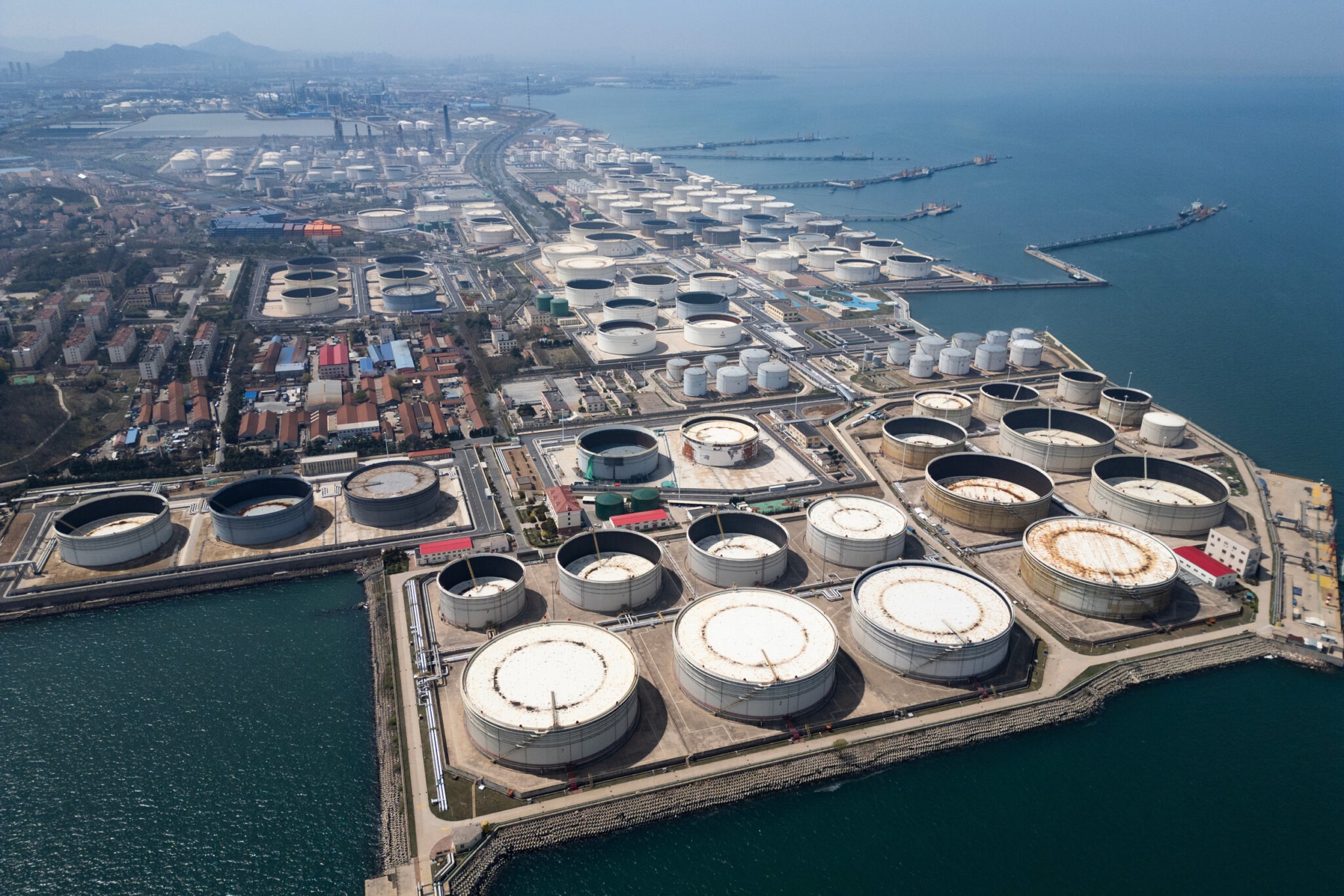
China’s carbon emissions declined in recent months as the country experienced a sharp drop in oil consumption, raising the possibility of a broader reduction in greenhouse gas pollution during the year.
New data indicates that the world’s second-largest oil consumer significantly reduced fuel use after disruptions in global energy markets linked to conflict in the Middle East. Analysts say the trend could accelerate China’s transition away from fossil fuels while also contributing to lower carbon dioxide emissions.
According to a recent analysis by the Centre for Research on Energy and Clean Air, China’s oil consumption fell by approximately 9 percent between April and June compared with the same period a year earlier. The findings were based on newly released government data examining energy use across the country.
The transportation sector recorded the largest decline. Fuel consumption in transportation dropped by around 16 percent during the period, highlighting a significant slowdown in demand for oil-based fuels.
The reduction followed major disruptions in international energy supplies after military conflict involving Iran led to the closure of the Strait of Hormuz, one of the world’s most important oil shipping routes. The waterway serves as a critical passage for energy exports from the Gulf region to global markets.
As uncertainty spread through international oil markets, China moved quickly to reduce crude oil imports. The decision drew attention because China has traditionally been one of the world’s largest buyers of oil and a key driver of global energy demand.
Initially, analysts debated whether lower imports reflected a genuine reduction in consumption or simply a shift toward using oil already stored in strategic reserves. China has spent years building substantial stockpiles of crude oil to strengthen energy security and protect itself from supply disruptions.
The latest figures suggest that the decline was not limited to import levels. Instead, they indicate that actual oil consumption across the economy fell significantly during the period.
Experts say the data provides one of the clearest signs yet that the energy market disruptions had a direct effect on Chinese fuel demand. The reduction in transportation-related consumption was particularly notable because the sector has historically been a major source of oil demand growth.
Lower oil use has also contributed to reduced carbon emissions. Because petroleum products remain a major source of greenhouse gas pollution, any sustained decrease in consumption can have a measurable impact on overall emissions levels.
Researchers noted that the recent decline in emissions was modest but meaningful. If the trend continues through the remainder of the year, China could record a full-year reduction in carbon dioxide emissions.
Such an outcome would attract global attention because China is the world’s largest emitter of carbon dioxide and plays a central role in international climate efforts. Changes in China’s energy consumption patterns can have significant effects on global emissions trends.
The latest figures also come as China continues investing heavily in renewable energy technologies, electric vehicles, and low-carbon infrastructure. The country has expanded solar and wind power capacity at a rapid pace while promoting cleaner transportation options across major cities.
Many analysts believe the combination of weaker oil demand, increased renewable energy deployment, and ongoing efficiency improvements could support longer-term reductions in fossil fuel use.
At the same time, experts caution that it remains too early to determine whether the latest decline represents a temporary response to supply disruptions or a more lasting shift in energy consumption patterns.
Oil markets remain volatile, and future demand could change depending on economic growth, industrial activity, and developments in global energy supplies. Any reopening of disrupted trade routes or stabilization of international markets could also influence consumption levels.
Still, the recent decline marks a significant development in China’s energy landscape. The data suggests that higher costs and supply challenges may be accelerating changes that were already underway as the country seeks to balance economic growth with environmental goals.
For policymakers, investors, and environmental groups, the coming months will provide important clues about whether the reduction in oil demand becomes a lasting trend. If it does, China could move closer to its long-term climate objectives while reducing its dependence on imported fossil fuels.
As global energy markets continue to adjust to geopolitical uncertainty, China’s response is likely to remain a key factor shaping both oil demand and worldwide carbon emissions in the years ahead.
