

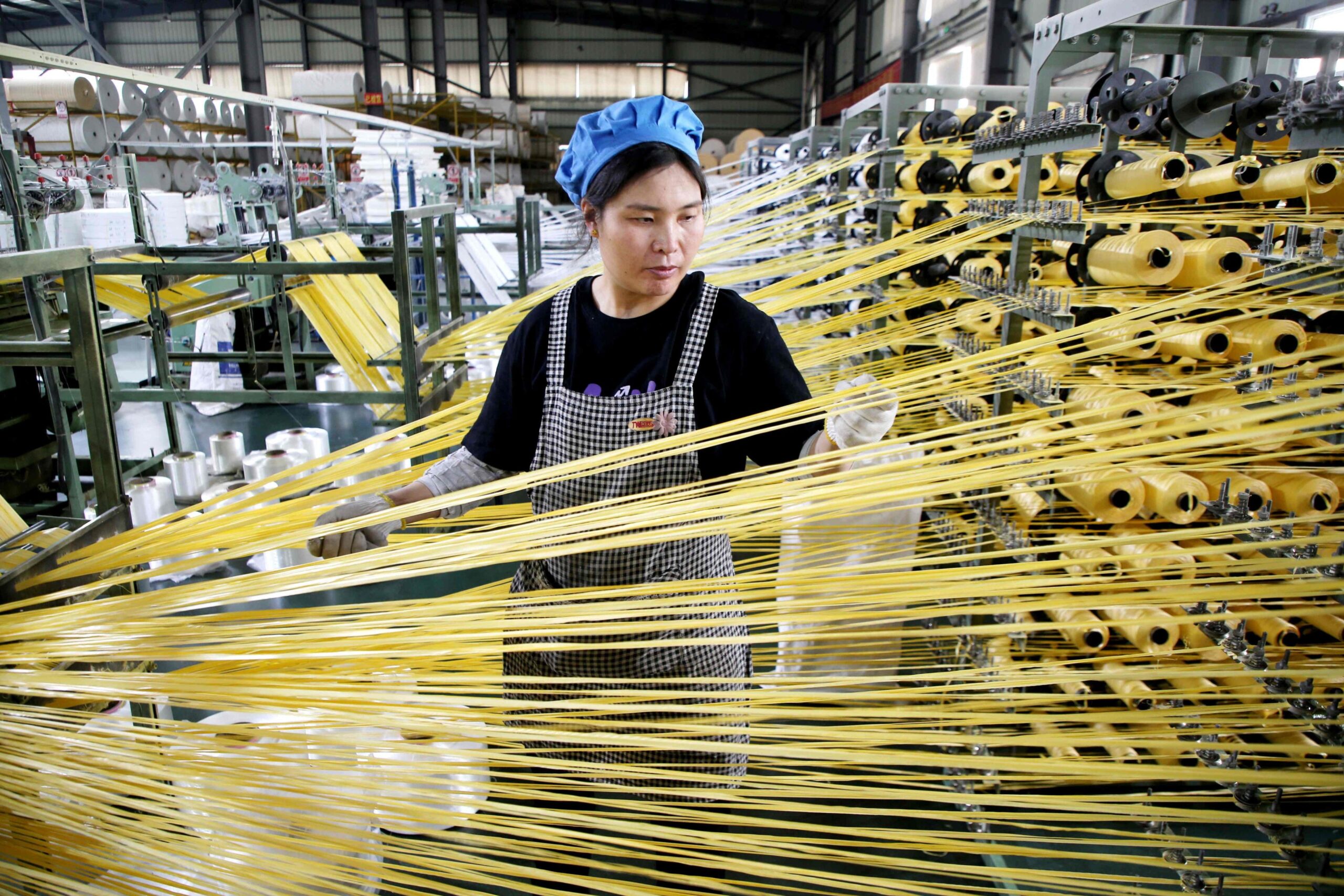
China factory prices rose 3.5% in July as lower fuel costs eased pressure and hot weather hurt factory output.
China’s factory prices rose at a slower pace in July as lower fuel costs helped ease pressure on producers. Hot weather also weighed on factory activity.
The China factory prices growth rate slowed to 3.5 per cent in July from 4.1 per cent in June. The data was released by the National Bureau of Statistics on Sunday.
The July figure was below market expectations. Economists polled by financial data provider Wind had expected producer prices to rise by about 3.98 per cent from a year earlier.
The data shows that price pressure at Chinese factories eased last month. It also points to weaker demand in some parts of the industrial sector.
The producer price index, or PPI, tracks the prices that factories receive for goods at the factory gate. It is a key measure of price pressure in the industrial economy.
On a monthly basis, China’s PPI fell 0.7 per cent in July. It had already dropped by 0.3 per cent in June.
The monthly fall shows that price pressure weakened further during the month. It also suggests that some producers faced lower selling prices despite higher costs in some areas.
Lower domestic fuel prices played a role in easing cost pressure. Fuel prices had risen earlier as the US-Israel war on Iran affected energy markets.
The lower fuel costs gave some relief to Chinese producers. Energy is a major cost for many factories, especially in heavy industry and transport-related sectors.
However, weather conditions created another challenge for manufacturers. High temperatures affected parts of China during July and reduced activity in some factories.
Extreme heat can affect work hours and production levels. It can also raise the cost of keeping factories and equipment cool.
The latest PPI figures come as China continues to deal with pressure on its industrial sector. Factory demand, production costs and selling prices remain closely watched by investors and policy makers.
A weaker producer price rise can be positive for companies if it reflects lower input costs. But falling factory prices can also point to weak demand when businesses struggle to raise prices.
The July figures showed both trends. Lower fuel costs helped reduce pressure, while weaker monthly prices pointed to continued challenges for producers.
The slowdown from 4.1 per cent in June to 3.5 per cent in July was larger than expected. The gap between the actual figure and the 3.98 per cent forecast also suggests that price pressure was weaker than economists had predicted.
The monthly decline was also sharper than in June. The PPI fell 0.7 per cent in July after a 0.3 per cent drop in the previous month.
The figures will be closely watched for signs of changes in China’s industrial economy. Factory prices can affect company profits, investment plans and future consumer prices.
If producer prices continue to fall on a monthly basis, some companies may face pressure to cut costs. Businesses may also delay new investment if demand remains weak.
At the same time, lower energy costs could help protect profit margins for some firms. The impact will differ across industries based on their energy use and demand.
China’s manufacturers will also need to manage the effects of high summer temperatures. Weather conditions can add pressure to production and raise operating costs.
The July data therefore presents a mixed picture. Fuel costs provided some relief, but factory activity faced pressure from hot weather and weaker prices.
The latest figures also show why producer prices remain an important part of the economic outlook. They offer an early view of cost and price trends across China’s industrial sector.
For now, the slowdown in factory-gate price growth suggests that cost pressure is easing. But the monthly fall in producer prices shows that Chinese manufacturers still face challenges.
