

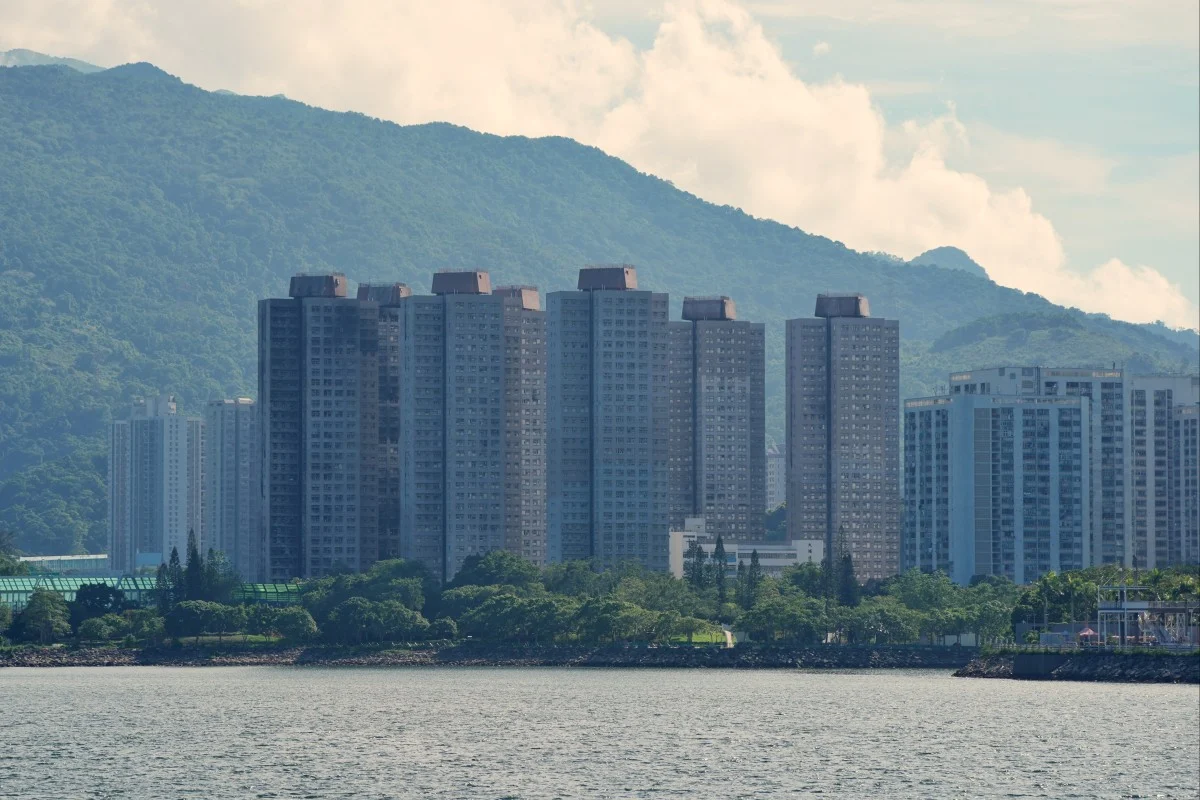
The Hong Kong government is set to ease housing resale restrictions for residents affected by the Tai Po fire, offering new financial flexibility under a special buy-back support plan. The move is aimed at helping displaced flat owners rebuild stability after losing their homes.
According to an official document seen by the South China Morning Post, homeowners who choose the special arrangement will be allowed to sell their replacement subsidised flats on the secondary market without the usual lock-up period. This marks a major change from standard housing rules, which typically restrict resale for several years.
The plan applies to owners from Wang Fuk Court who were displaced by the fire. Under the new scheme, those who purchase new subsidised homes through the Housing Authority or Housing Society will be granted full freedom to sell their properties at any time at market-driven prices.
Officials say this adjustment is designed to provide greater flexibility for affected households. By removing resale limits, the government aims to give survivors more control over their financial recovery and long-term housing choices.
In addition to lifting resale restrictions, the government will also provide two-year vouchers. These vouchers can be used to purchase second-hand subsidised housing, giving displaced residents additional options while they search for stable long-term accommodation.
The vouchers are part of a broader buy-back support strategy. Authorities hope the combined measures will reduce pressure on affected families and speed up their return to normal living conditions after the disaster.
Under normal Hong Kong housing policy, subsidised flats come with strict resale rules. These restrictions are intended to prevent speculation and ensure that subsidised housing benefits remain available to eligible residents. However, in this case, the government has made an exception due to the extraordinary circumstances.
The decision reflects the scale of disruption caused by the Tai Po fire, which left many households without permanent homes. By relaxing rules and offering financial tools, officials aim to create a more flexible recovery pathway.
The document states that all resale restrictions tied to lock-up periods will be removed for eligible owners participating in the special scheme. This means they will not be required to wait before selling their replacement homes.
Housing analysts say the move is unusual but targeted, designed specifically for disaster recovery rather than long-term policy change. It signals a shift toward more adaptable housing responses in emergency situations.
The government has not indicated whether similar arrangements will be extended to other housing cases in the future. For now, the policy is focused solely on supporting those affected by the Tai Po fire.
Residents impacted by the disaster are expected to gain more choice in how they rebuild their housing situation. Some may choose to remain in new subsidised flats, while others may sell and move into alternative housing using the vouchers or proceeds from sales.
Authorities say further details will be released as implementation begins. The focus remains on ensuring that affected families receive timely support and can make decisions that best suit their individual needs.
As recovery efforts continue, the plan represents one of the most flexible housing responses introduced in Hong Kong in recent years, combining direct financial assistance with long-term housing freedom for displaced residents.
