

Hong Kong is expected to benefit from improved global stability following a recent summit between Chinese President Xi Jinping and US President Donald Trump. The city’s leadership says the meeting could help reduce market uncertainty and support trade growth.
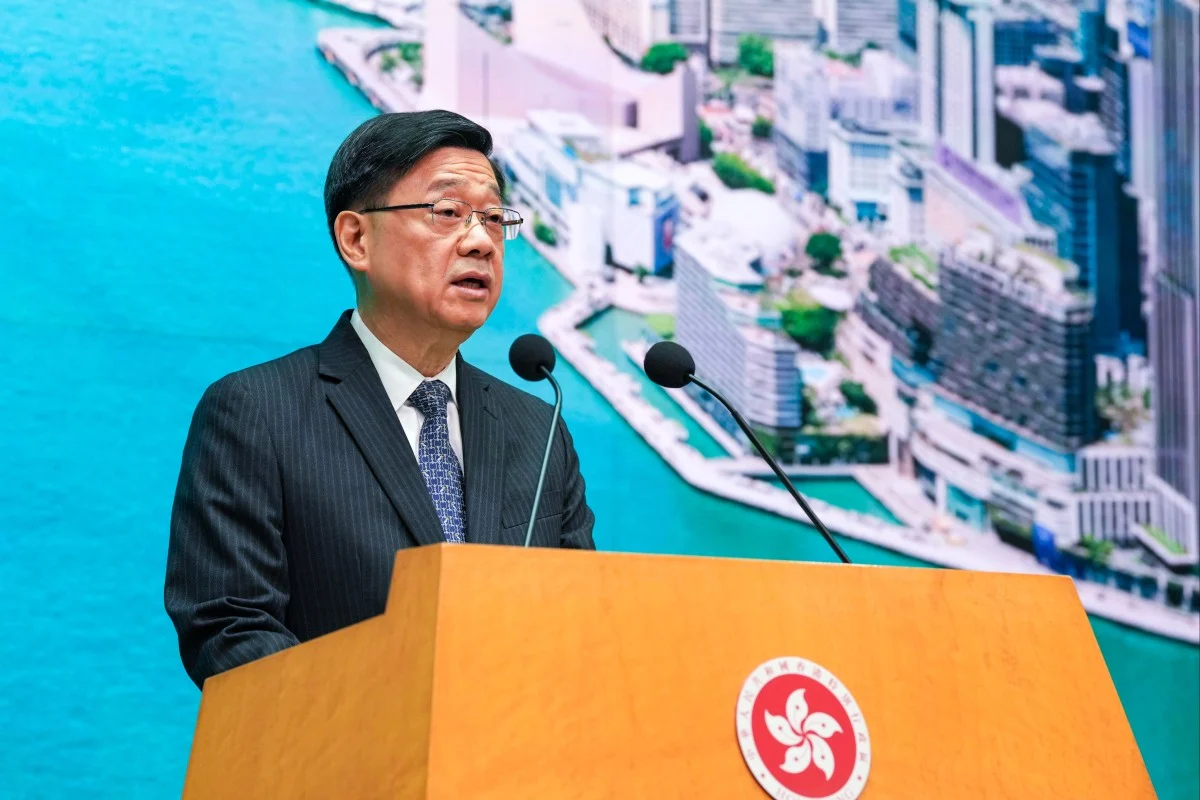
Chief Executive John Lee Ka-chiu said Hong Kong’s economy is highly dependent on international markets. He explained that greater stability in US-China relations would help limit the impact of global economic turbulence on the city.
Hong Kong has long been considered an externally driven economy. This means changes in global trade conditions, especially between major powers like China and the United States, can have a direct effect on its financial performance and business environment.
The comments came after the Xi-Trump summit, where both leaders reportedly agreed to work toward a more stable and “constructive” relationship. The discussions focused on strategic stability and explored areas for potential cooperation, including trade, investment, and artificial intelligence.
According to statements from both sides, the summit aimed to reduce tensions and improve communication channels between the two largest economies in the world. This has raised hopes in regional markets for a more predictable global economic environment.
Hong Kong officials believe that clearer and more stable relations between Washington and Beijing could encourage foreign investment and strengthen trade flows. Businesses often rely on predictable political conditions when making long-term financial decisions.
John Lee said that increased certainty in global markets would help reduce external pressure on Hong Kong’s economy. He added that stability between major economies can directly influence confidence among investors and international companies operating in the city.
Hong Kong serves as a major financial hub in Asia, connecting global capital with Chinese markets. Because of this role, it is particularly sensitive to changes in international trade policy and geopolitical tensions.
In recent years, trade disputes between China and the United States have created volatility in global markets. Tariffs, technology restrictions, and political disagreements have all contributed to uncertainty for businesses and investors.
The latest summit signals a potential shift toward more stable relations, although experts say the long-term outcome will depend on continued dialogue and policy coordination between the two countries.
Markets generally respond positively to signs of reduced tension between major economies. Stability often leads to improved investor confidence, lower risk premiums, and stronger cross-border business activity.
Hong Kong’s government has repeatedly emphasized the importance of maintaining open trade channels and international connectivity. Officials say the city’s future growth depends on its ability to remain a global financial gateway.
While optimism has increased following the summit, analysts caution that structural differences between the United States and China remain unresolved. These include trade competition, technology policy, and regional security issues.
Despite these challenges, the tone of recent discussions has been viewed as more cooperative compared to earlier periods of tension. This has created cautious optimism among financial observers in Hong Kong and across global markets.
For now, Hong Kong leaders are focusing on the potential economic benefits of improved US-China relations. They believe that even small steps toward stability can have a meaningful impact on trade, investment flows, and overall market confidence.
As global attention remains on the evolving relationship between Washington and Beijing, Hong Kong continues to position itself as a key beneficiary of any long-term improvement in economic and political stability.
