

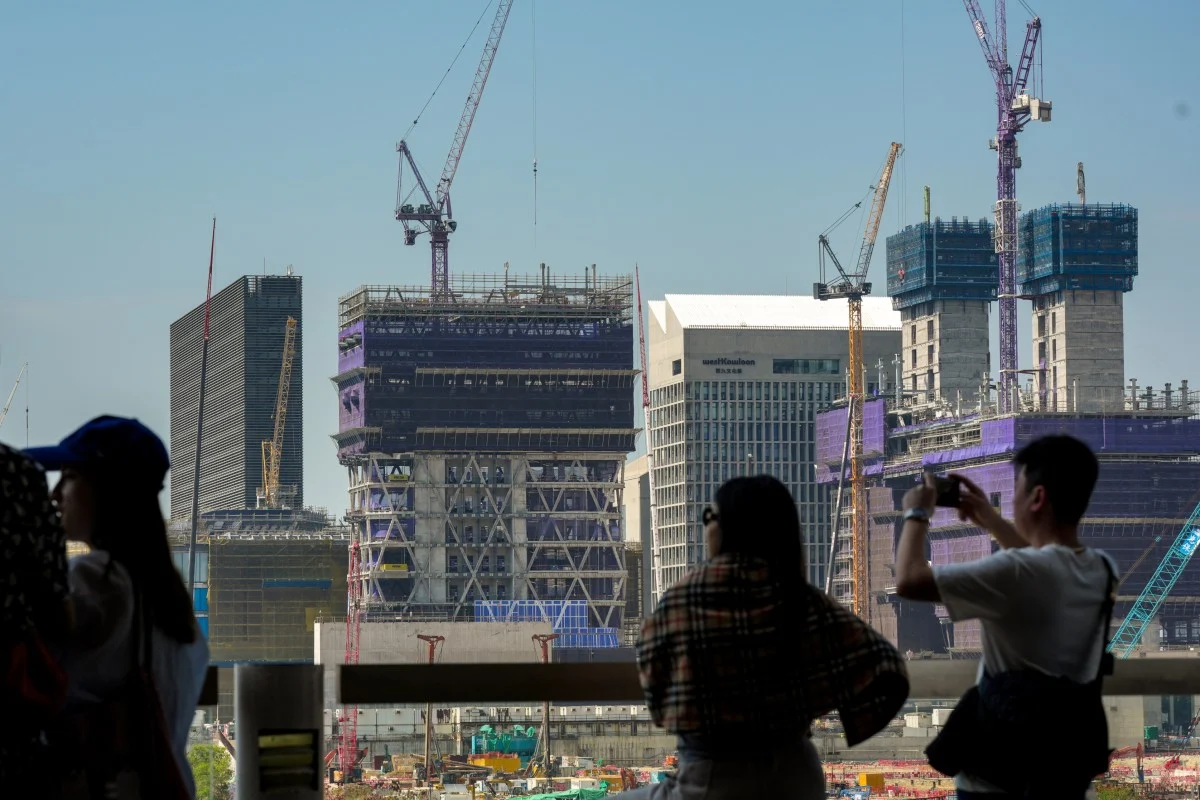
West Kowloon Central 2.0 is emerging as a major new business hub in Hong Kong, as the district develops into a strong rival to the city’s traditional financial center. The area, located on a 40-hectare stretch of reclaimed land, is being positioned as the second most important office district after Central. Industry experts say the transformation is reshaping Hong Kong’s commercial real estate landscape.
The district known as West Kowloon was originally designed as a cultural and arts hub. Over time, however, it has evolved into a growing financial and corporate zone. New office towers are being completed to house banks, insurance companies, and global firms. This shift has led many analysts to describe it as “Central 2.0,” a second core business area for the city.
Major international banks are already moving into the district. Institutions such as UBS, JPMorgan Chase, and Banco Santander have leased office space in West Kowloon. These companies are taking space in developments led by property developer Sun Hung Kai Properties. Their presence signals growing confidence in the district’s long-term business potential.
However, experts say growth in West Kowloon is mainly driven by relocations rather than new expansion. Many companies are moving from older or more expensive office areas. There is limited demand from new market entrants at this stage. Some business districts in Hong Kong are also experiencing higher vacancy rates, which is encouraging firms to consolidate or shift locations.
Despite this, West Kowloon is gaining attention as a modern alternative to Central. Its infrastructure is newer, and office buildings are designed with updated facilities. Companies are attracted by improved layouts, transport access, and long-term leasing opportunities. These advantages are helping the district slowly build momentum as a financial hub.
The development of West Kowloon also reflects broader changes in Hong Kong’s property market. The city’s office sector has been adjusting to shifting demand patterns. Remote work trends and global economic uncertainty have affected traditional business districts. As a result, companies are rethinking their office needs and exploring more flexible locations.
At the same time, Hong Kong remains a key global financial center. Central continues to host major banks, financial institutions, and corporate headquarters. However, rising costs and limited space in Central have encouraged some firms to look elsewhere. West Kowloon offers larger developments and more modern infrastructure, making it an attractive alternative.
Industry analysts say the “Central 2.0” concept reflects a gradual decentralization of business activity. Instead of one dominant financial district, Hong Kong may develop multiple business hubs. This could help reduce pressure on Central while spreading economic activity more evenly across the city.
The original vision for West Kowloon focused on culture, arts, and public space. Large projects such as museums and performance venues remain part of the area’s identity. However, the increasing presence of financial institutions shows how economic needs are shaping urban development. The balance between cultural and commercial use continues to evolve.
Real estate experts believe West Kowloon’s long-term success will depend on sustained corporate demand. If more firms relocate or expand into the area, it could strengthen its position as a major office hub. However, if demand slows, vacancy rates could become a challenge. For now, growth remains steady but selective.
The rise of West Kowloon Central 2.0 highlights how Hong Kong’s business landscape is changing. While Central remains the city’s traditional financial heart, new districts like West Kowloon are beginning to share that role. Over time, this shift could redefine how business space is used in one of Asia’s most important financial cities.
