

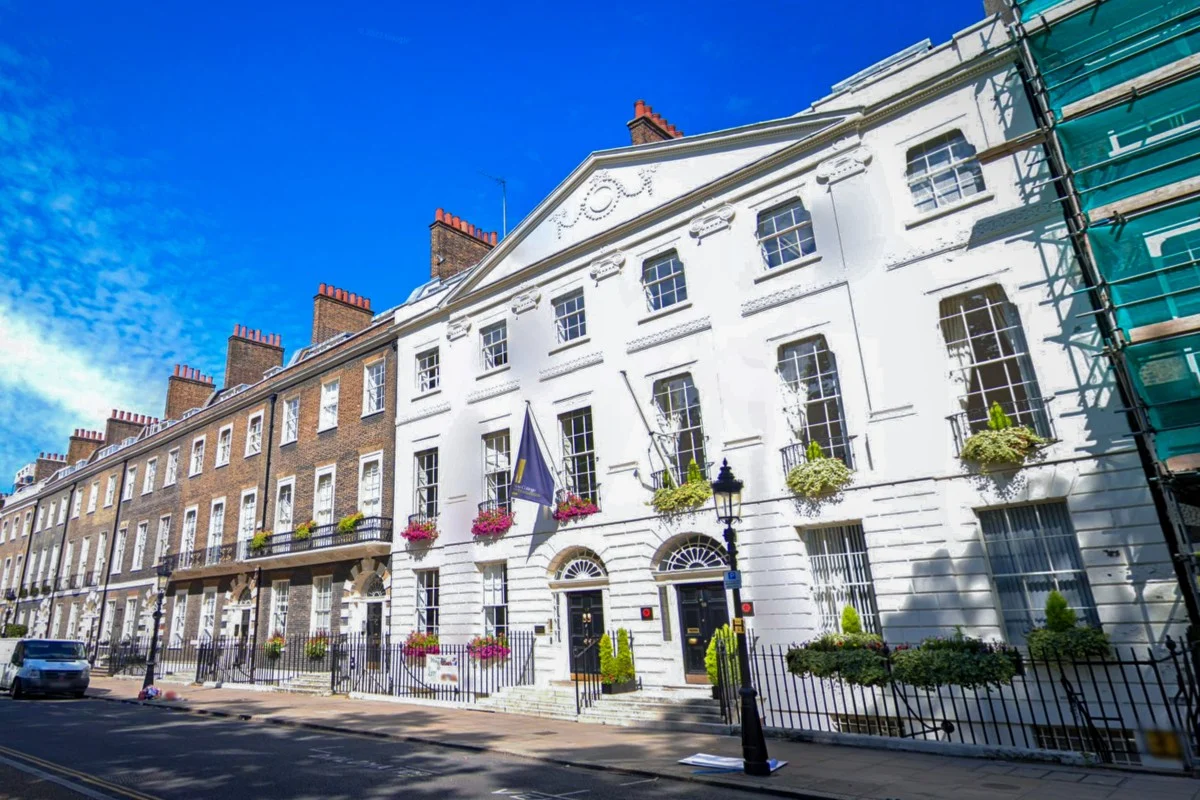
The operations of the Hong Kong Economic and Trade Office London are expected to continue without interruption, despite a recent court ruling in the United Kingdom involving espionage-related activities linked to individuals connected with the office.
A British court recently found two men guilty of spying on Hong Kong activists living in the UK. One of them was identified as a manager at the London trade office, while the other was a retired Hong Kong police superintendent.
The case has raised political attention in both the UK and Hong Kong, but analysts say it is unlikely to result in the closure of the trade office due to broader diplomatic and economic considerations.
Observers believe the UK government will avoid taking steps that could seriously damage its relationship with Hong Kong and indirectly with mainland China.
The Hong Kong government has rejected any institutional link to the allegations, saying the case is unrelated to its administration or the official functions of its London office.
Officials in Hong Kong argued that the individuals involved were acting in a personal capacity and not under government instruction.
At the same time, the Chinese embassy in the United Kingdom dismissed the court proceedings as politically motivated and criticized the case as an attempt to influence international opinion.
The court ruling has added strain to already complex diplomatic relations between the UK and Hong Kong, particularly around issues involving political activism and overseas monitoring.
The case centers on concerns that activists from Hong Kong living in Britain were allegedly targeted through surveillance activities.
While the verdict has drawn attention from human rights groups and political observers, experts say the UK is likely to adopt a cautious approach in its response.
Closing the trade office would be a significant diplomatic step and could affect trade, investment ties, and ongoing communication channels between London and Hong Kong.
The London office plays a role in promoting economic and commercial relations between Hong Kong and the UK, making it an important channel for business engagement.
Analysts say governments often separate individual criminal cases from broader diplomatic institutions to avoid escalating tensions unnecessarily.
In this case, officials appear to be weighing legal concerns against long-term strategic and economic interests.
The incident has also intensified debate over foreign influence, political activism, and the treatment of dissidents living abroad.
Human rights advocates have called for greater scrutiny of overseas operations that may involve surveillance of political activists.
However, diplomatic experts note that such cases are often handled carefully to prevent broader geopolitical fallout.
For now, the trade office is expected to continue its work as normal, while legal and diplomatic discussions around the case continue.
The situation highlights the sensitive balance between national security concerns and maintaining international economic relations in a politically complex environment.
