

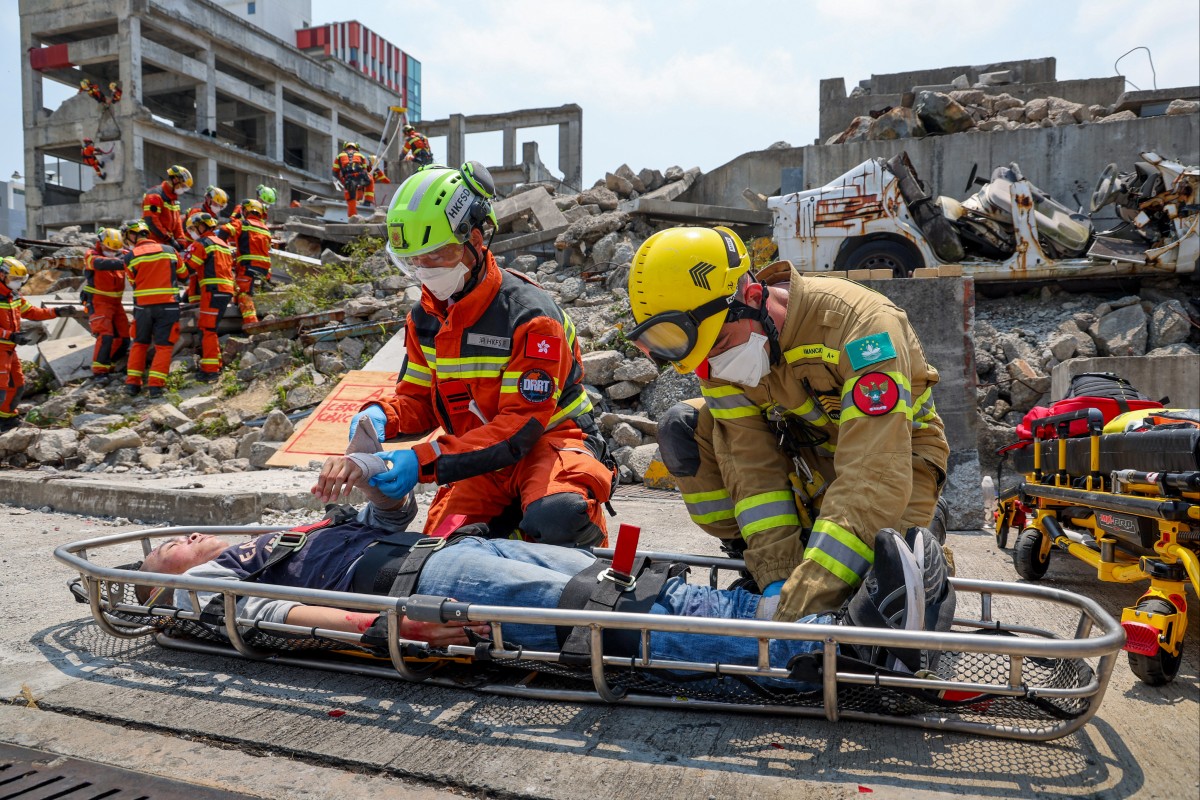
Hong Kong Disaster Recovery efforts have been strengthened as authorities expand staff deployment and improve logistics support for fire-affected residents. The move is aimed at improving crisis management and reinforcing public safety systems across affected areas.
Officials say the updated approach focuses on faster response, better coordination, and more structured support for people impacted by disasters. The changes come after recent fire incidents that required large-scale emergency action and recovery planning.
Under the enhanced Hong Kong Disaster Recovery system, more personnel have been assigned to assist residents during evacuation and return processes. These teams include safety inspectors, logistics coordinators, and community support workers.
Their main task is to ensure that affected residents can access their homes safely and retrieve essential belongings under supervision. This controlled process helps reduce risk while maintaining order during recovery operations.
Authorities have also improved logistics planning. Transport arrangements, supply distribution, and site coordination have been streamlined to speed up recovery work. This ensures that support reaches affected areas without delay.
Emergency management teams are now working more closely with local agencies. This coordination helps avoid duplication of efforts and ensures that resources are used efficiently during crisis situations.
The Hong Kong Disaster Recovery framework also places strong emphasis on safety checks. Before residents are allowed to return to damaged buildings, inspection teams assess structural safety, gas systems, and electrical risks.
Officials say these inspections are essential to prevent secondary accidents. Only areas that meet safety standards are reopened for controlled access.
Community support has also been expanded. Volunteers and trained staff are providing assistance to vulnerable groups, including elderly residents and families with young children. This ensures that no group is left behind during recovery.
Communication systems have been improved as well. Authorities are using clearer alerts, updates, and instructions to keep residents informed during each stage of the recovery process.
Experts say strong coordination is key in disaster recovery. Without proper planning, recovery efforts can become slow and disorganized. The updated system aims to solve these challenges through better structure and communication.
The Hong Kong Disaster Recovery improvements also include faster decision-making processes. Emergency teams can now respond more quickly to changing conditions on the ground.
Officials highlight that public safety remains the top priority. Every recovery action is designed to balance speed with caution, ensuring that residents are protected at all times.
Support services for affected families have also been expanded. This includes temporary shelter assistance, basic supply distribution, and emotional support services for those impacted by disaster events.
Authorities say these measures are part of a long-term effort to strengthen resilience. As climate and urban risks increase, cities must be prepared for more frequent emergencies.
Training programs for emergency staff have also been upgraded. Workers are receiving improved instruction in crisis response, safety procedures, and coordination techniques.
Despite progress, officials acknowledge that challenges remain. Large-scale disasters require continuous improvement in planning, resources, and communication.
However, the latest upgrades show a clear commitment to improving response systems. Faster coordination and better logistics are already making recovery efforts more efficient.
The Hong Kong Disaster Recovery framework is expected to continue evolving. Authorities plan to further strengthen partnerships between government agencies, community groups, and technical experts.
As improvements roll out, the focus remains on protecting lives, restoring normalcy quickly, and ensuring that residents receive timely and effective support after disasters.
